Intel’s response to AMD X3D chips is looking tasty
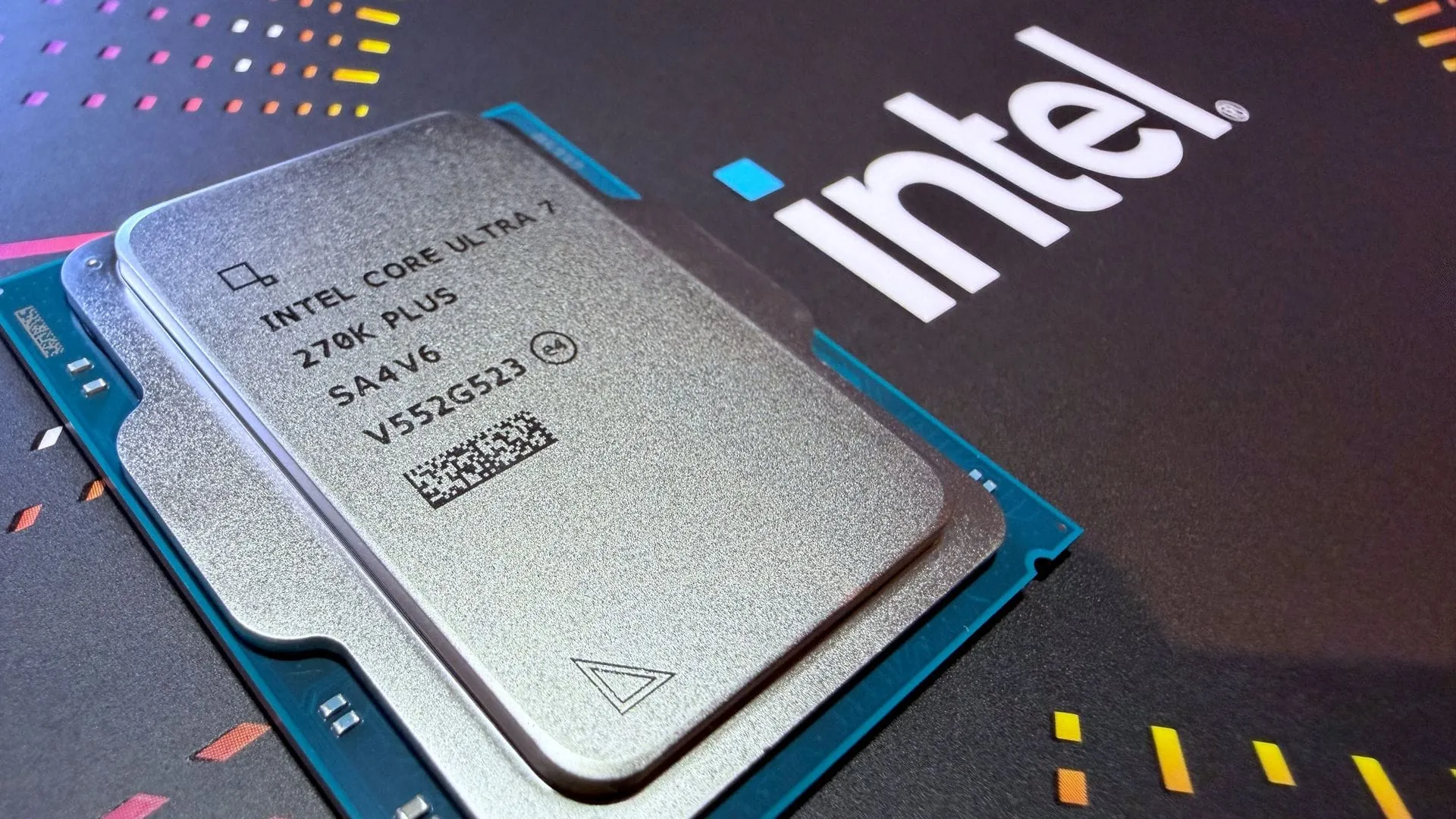
In a market increasingly preoccupied with the cost of memory and the scarcity of high-end graphics cards, the focus is shifting inward: to the sheer brilliance of the Central Processing Unit. While new GPUs dazzle, the real revolution might be happening beneath the surface, in the architecture of the next generation of Intel CPUs.
As Intel prepares to launch its Nova Lake generation, there is a palpable buzz surrounding new cache technology. Leaks suggest a major pivot in design, focusing on integrating massive amounts of fast cache directly into the processor die—a concept dubbed bLLC, or big last-level cache. This move is Intel’s ambitious counter-punch to AMD’s highly successful 3D V-Cache technology, which has dominated the gaming performance landscape with chips like the Ryzen 7 9800X3D.
The goal is clear: feed the hungry gaming ecosystem with more cache. Where AMD uses a 3D stacking approach, Intel is building this cache directly into the chip, promising performance gains that are built into the core design itself. This integration is seen as a long-overdue step, finally matching the cache-heavy demands of modern gaming.
The anticipated lineup, following the established Core Ultra naming convention, is rumored to feature the BFC designation for many of these chips. These chips will boast this enhanced cache, ranging from the Core Ultra 9 4970K BFC down to the Core Ultra 5 4650KF. The rumored specifications paint a detailed picture of this new cache-focused architecture:
The specifications reveal a fascinating spread, including models like the Core Ultra 9 4900 BFC, which curiously operates at a lower base TDP of 65 W compared to its line-mates, offering two fewer P-Cores while still retaining the substantial bLLC cache. This suggests a specialized approach, potentially targeting specific professional workloads or smaller form-factor gaming rigs where thermal efficiency is paramount.
While high-end chips continue to aim for robust power limits, reports indicate that most of the Core Ultra series will adhere to a 125 W PL1 power limit. Although some speculation exists about future sustained power limits (PL2), current rumors suggest that the focus remains on delivering incredible performance within manageable thermal boundaries.
The excitement surrounding Nova Lake is driven by the promise of cache-heavy processors. With expectations set for a launch early next year, the industry is eagerly awaiting confirmation that Intel’s integrated cache strategy will deliver the performance boost that gamers and professionals have been demanding for years. It’s clear that the next evolution in CPU design will be defined by how much data it can hold, not just how fast it can compute.
Buy on Amazon
Credit
