iPhone Duo announcement hides a trolling Surface Easter egg
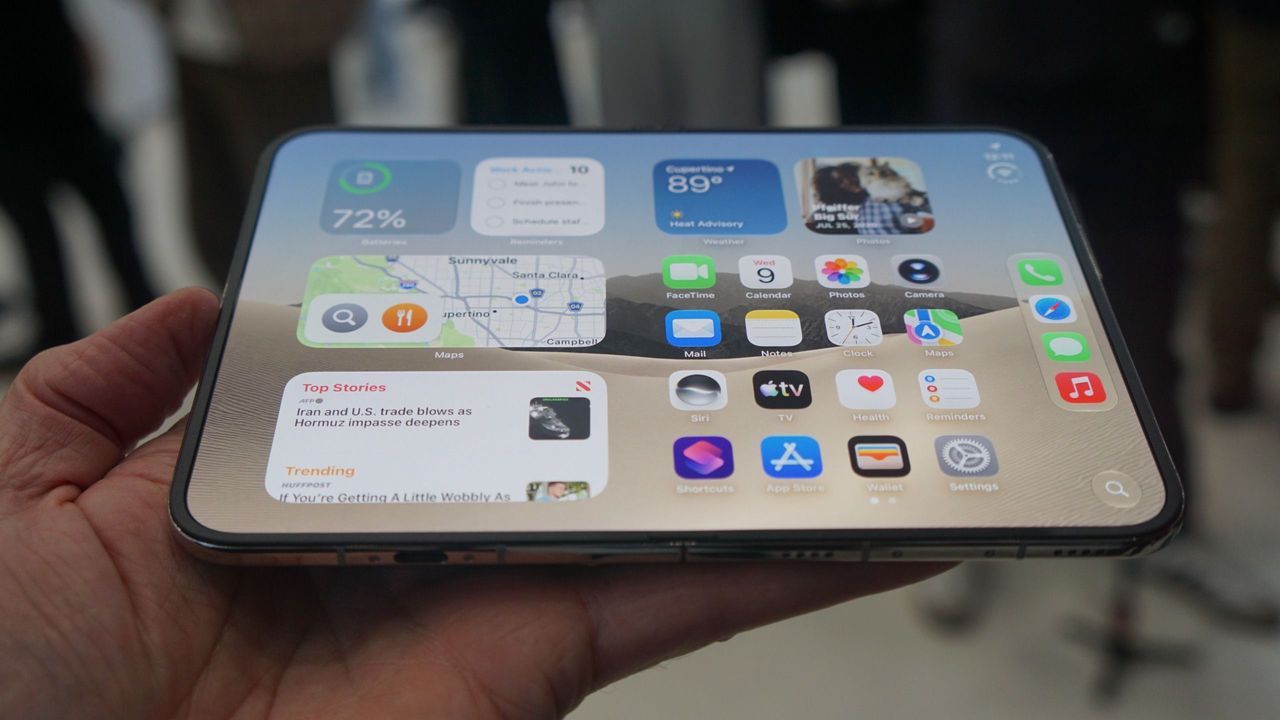
When Apple dropped the iPhone Duo”>iPhone Duo, the tech world didn’t just notice a new phone; it noticed a masterclass in strategic imitation. In a market already buzzing with foldable technology, Apple didn’t just enter the arena—it seemed to have studied the competition, and perhaps a little bit of playful mischief, before making its grand entrance.
The rollout of the iPhone Duo quickly dominated social media feeds, but the real headline wasn’t the hardware itself; it was the clever nods to its rivals. For those familiar with the foldable landscape, the similarities to Microsoft’s Surface Duo”>Surface Duo were immediately apparent. From the passport-like aspect ratio to the core concept of multitasking, Apple seemed to be following a blueprint laid out by the foldable movement.
This wasn’t accidental, at least not in the marketing department. The resemblance between the devices was striking, leading observers to speculate that some internal team member may have had a bit of fun with borrowing the aesthetic and functional ideas established by Microsoft.
The similarities extended beyond just the name. The way the iPhone Duo handles multitasking, with its split-screen capabilities, mirrors the windowing system found on the Surface Duo, demonstrating a functional convergence in how users interact with the display. This shared approach to multitasking suggests a deep understanding of what consumers desire in a flexible device.
Further fueling the speculation about design inspiration was a subtle, yet highly effective, marketing choice. In a demonstration video showcasing the iPhone Duo‘s multitasking prowess, Apple featured a piece that turned out to be a genuine article from Surface Magazine”>Surface Magazine, published back in 2018. The feature, which explored the architectural history of Comporta, Portugal, appeared on screen, adding an unexpected layer of context to the device’s presentation.
While the direct connection between the Portuguese architectural history and the iPhone Duo remains open to interpretation, the choice of imagery was undeniably sophisticated. It tapped into the spirit of innovation and refined design, suggesting that Apple wasn’t just copying features, but was aiming to refine the entire category of foldable devices.
In the fast-paced world of technology, where innovation often involves borrowing and reinterpreting ideas, the launch of the iPhone Duo stands as a perfect example of how a major player can seamlessly blend competitive strategy with creative execution. It’s a reminder that sometimes, the most brilliant innovations are born from a little bit of playful observation.
Buy on Amazon
Credit
