iPhone Duo exposes Surface’s failure
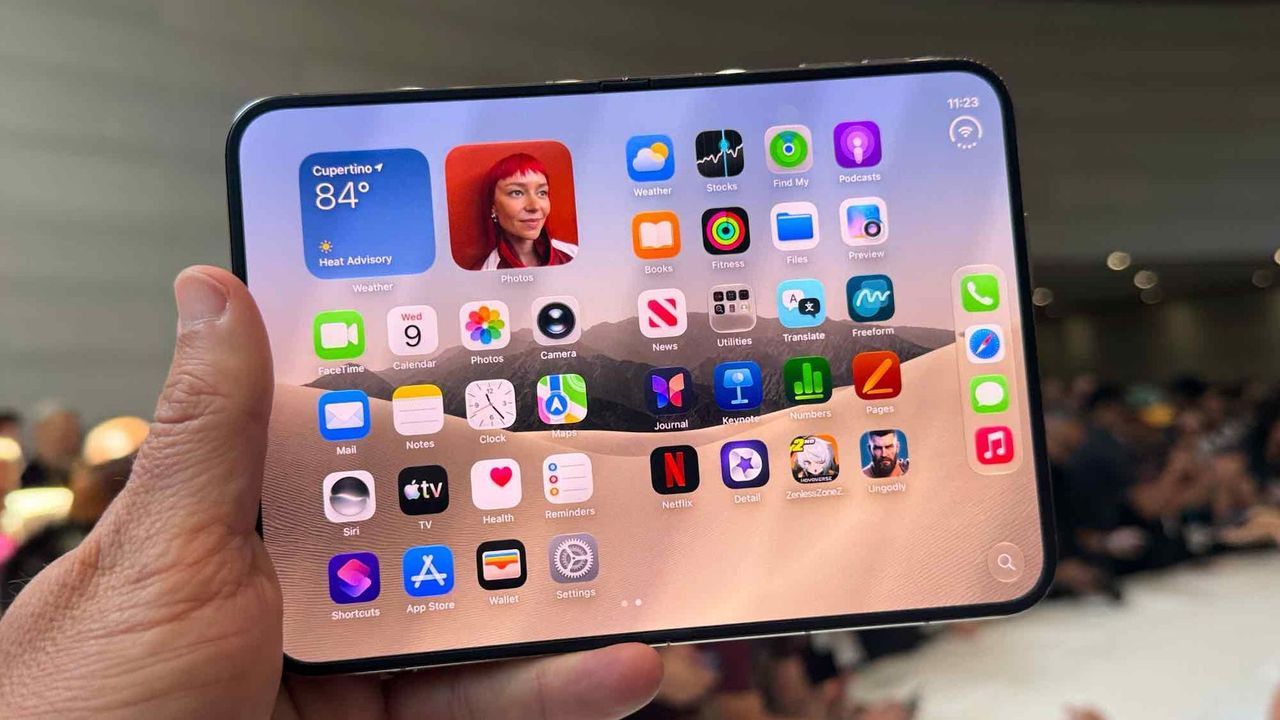
The tech world is currently buzzing about the rise of foldable technology, and while Apple didn’t cause the biggest shockwave this week with the unveiling of the iPhone Duo, their move has undeniably taken the category by storm. With Apple joining the folding phone fray, millions of consumers are now considering devices they never would have seriously explored before.
This new development immediately invites comparisons, especially given how closely the iPhone Duo shares DNA with Microsoft’s Surface Duo. This juxtaposition throws into sharp relief the different strategic approaches of the two giants.
While some focus on the hardware itself, a deeper look reveals a fascinating tale of patience and execution. Apple’s approach has been one of measured confidence. Rather than rushing into a folding device, the company allowed other manufacturers to iron out the significant engineering and user experience challenges inherent in the foldables. This patient strategy allowed others to establish the best form factor and define viable use cases for folding screens.
By waiting, Apple essentially outsourced the most difficult part of the journey—getting the public to consider and accept a premium, complex folding device. This methodical approach ensures that when Apple finally enters the market, it does so with a product that is quintessentially refined.
In contrast, the journey for other players, particularly Microsoft, has been a different story. The initial Surface Duo lineup faced significant hurdles and ultimately struggled to define a successful market position. Despite internal fixes and recognizing evolving user demands for features like NFC and better cameras, Microsoft ultimately abandoned the Surface Duo lineup entirely, halting development on subsequent models.
This decision meant Microsoft forfeited its chance to pioneer the foldable space. The experience highlights a critical lesson for any company entering a crowded technology space: success often comes from carving out a specific niche. Whether that niche is being the first, the best, or the most affordable, true innovation lies in specialization rather than trying to be everything.
The history of the Surface line shows that attempts to be everything—innovative hardware maker, experimental project, and mass-market competitor—can leave a company feeling lost amidst the noise. While Microsoft has shown small strides with products like the Surface Laptop Ultra, the overall impression remains that the company is still navigating a crowded PC landscape, rather than pushing the boundaries of experimental hardware.
Buy on Amazon
Credit