iPhone Duo or Surface Duo Which Quote Is It
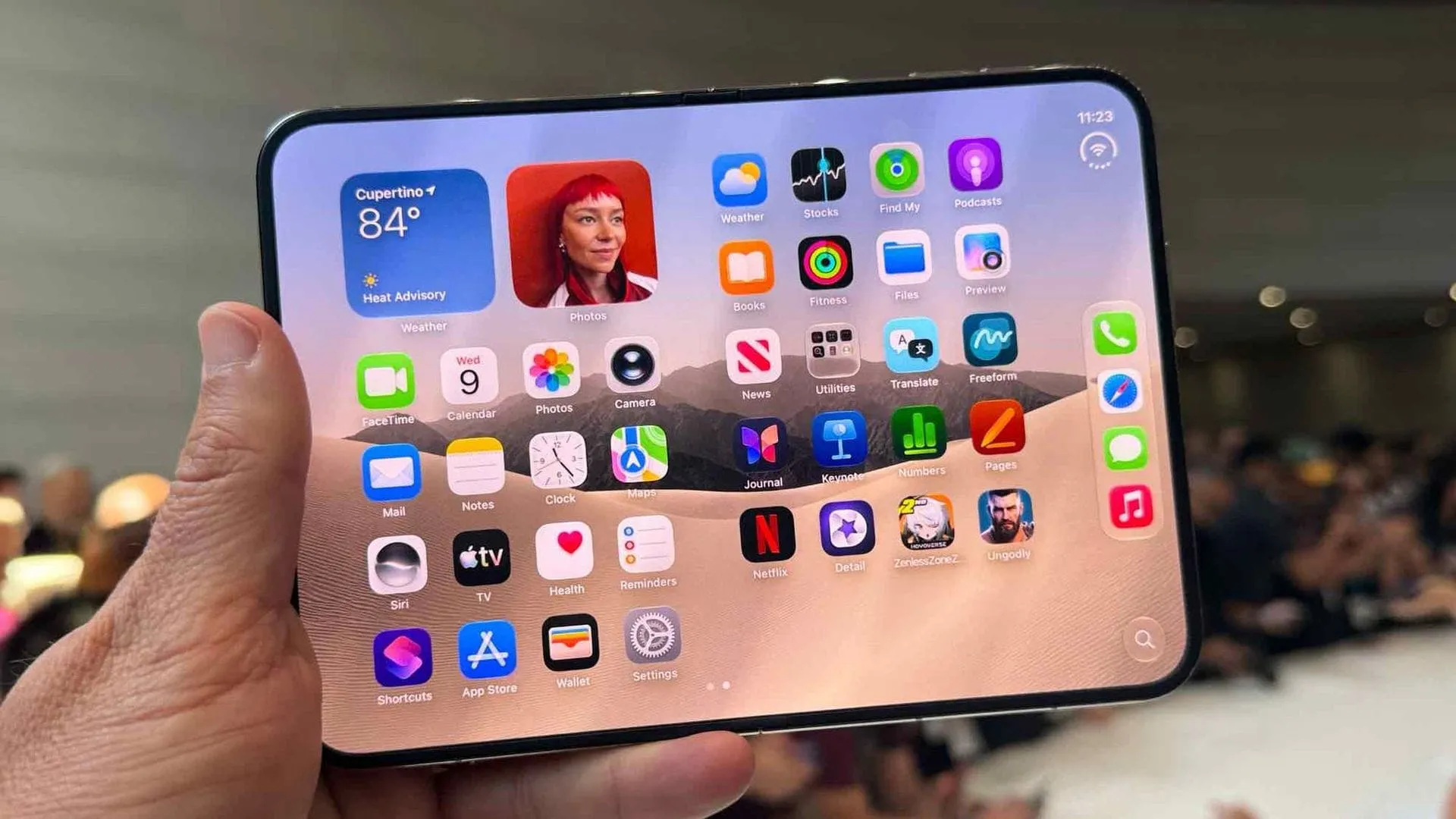
The world of mobile technology is constantly evolving, and when Apple finally introduced the folding phone concept, it promised more than just a new form factor—it promised flexibility and true mobile multitasking. The excitement surrounding devices like the iPhone Duo brought with it a sense of futuristic possibility, prompting a fascinating internal comparison among tech enthusiasts.
As these groundbreaking devices entered the public consciousness, an immediate thought struck many observers: were we witnessing a true paradigm shift, or were we simply seeing a familiar pattern repeat itself? The conversation quickly turned to the evolution of mobile productivity, where the concept of folding screens and integrated apps taps into a history rich with similar innovations.
This feeling of déjà vu became the unexpected catalyst for a curious experiment. Reviewers began noticing striking similarities in the language, focus, and emphasis used when discussing the new folding technology and prior multitasking hardware. It led to a playful, yet insightful, exercise in spotting the subtle differences between the emerging tech landscape.
To explore this observation, a simple quiz was put together, designed to test how easily readers could distinguish between reviews focused on the folding mobile experience and those concerning prior multitasking devices. The goal was to see if the narrative styles and critical angles were truly distinct.
The resulting exercise highlighted the interconnectedness of technological trends. Whether comparing the newest foldable hardware to earlier iterations of tablet-style multi-window systems, the underlying principles of maximizing screen space and optimizing app integration remain constant. The quest for better flexibility in our devices has always been a journey of combining functionality and form.
Ultimately, the development of folding phones is not an isolated event. It is a continuation of a long-standing technological thread. As more devices blend form and function, the real innovation lies not just in the hardware itself, but in how we use these tools to seamlessly manage our digital lives.
Buy on Amazon
Credit
