iPhone Duo stole Surface Duo’s selling point Apple copied it
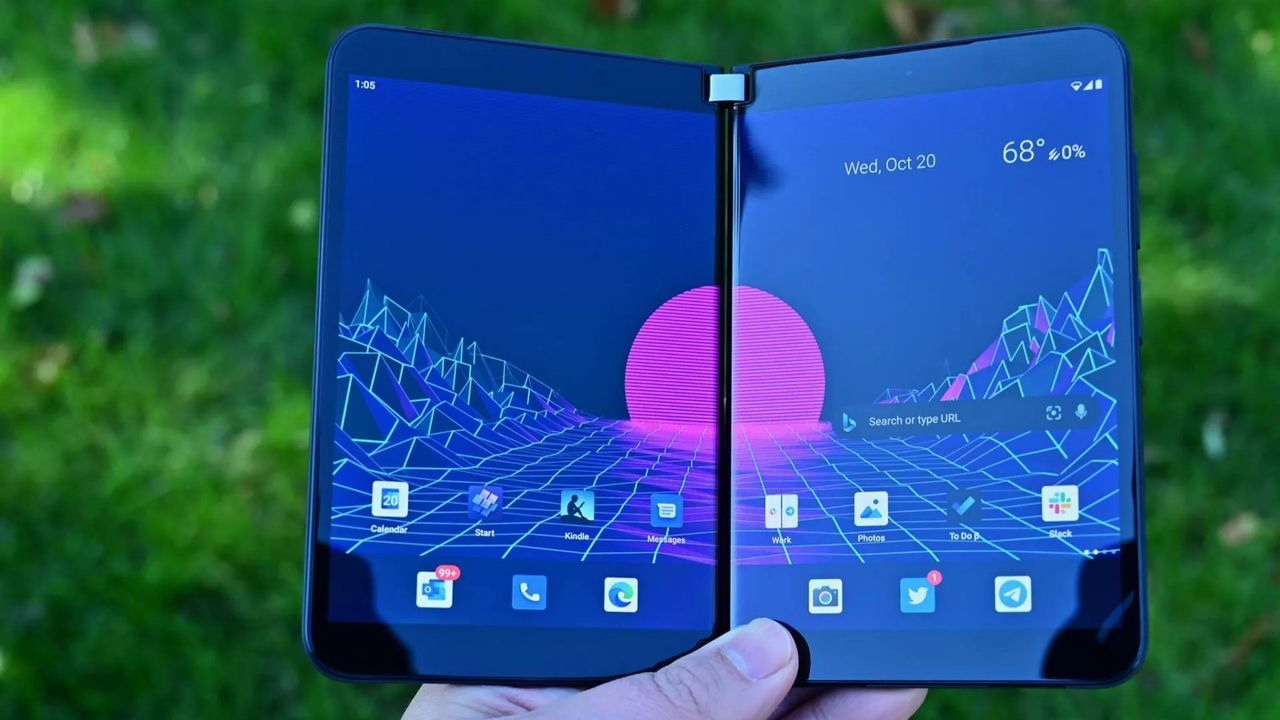
When Apple unveiled the iPhone Duo, the tech world was buzzing, but for a specific segment of the community, the reaction was less excitement and more dismay. The launch immediately sparked comparisons to Microsoft’s Surface Duo, a device that had long been hailed as the gold standard for mobile multitasking.
The fascination wasn’t just about the product name; it was about the groundbreaking user experience Surface Duo pioneered. Since its launch in 2020, many observers have championed Surface Duo as the definitive multitasking phone, setting a new benchmark among foldable devices.
The core innovation of the Surface Duo lay in how it handled the dual-screen setup. Instead of forcing users into complex modes to switch tasks, Surface Duo created an experience that was fluid and almost automatic. This design allowed the two screens to operate independently or in unison, allowing users to seamlessly transition between applications without friction.
This seamless flow was achieved through ingenious gestures. Users could easily drag an application across both screens, either splitting it or docking it to the side, creating a dynamic, immersive workspace. Furthermore, the system correctly handled links, allowing users to view web content next to an active application rather than obscuring it—a feature that set a high bar for mobile interaction.
The iPhone Duo appears to have taken this exact design philosophy and implemented it flawlessly. Instead of requiring users to enter a special multitasking mode, the iPhone Duo mimics the Surface Duo’s intuitive structure. Users can now drag an application to the side and instantly summon another from the home screen, mirroring the automatic and effortless nature of the previous system.
This synergy extends beyond mere windowing. The iPhone Duo also embraced other popular features, most notably support for the Apple Pencil. This integration allows users to treat the folding screen as a versatile canvas, enabling tasks like note-taking and sketching directly on the device, further blurring the lines between mobile and physical tools.
In essence, Apple has successfully absorbed the most revolutionary aspect of the Surface Duo experience: a fluid, automagic multitasking design. By replicating the dual-screen logic and intuitive gestures, the iPhone Duo achieves the same level of fluidity that Surface Duo established, proving that the principle of side-by-side multitasking is portable across different ecosystems.
It is a compelling demonstration of how a specific, well-executed design ethos can transcend brand boundaries, signaling a new direction for how foldable technology will evolve in the years to come.
Buy on Amazon
Credit