Iran threatens attack on Strait of Hormuz undersea cables
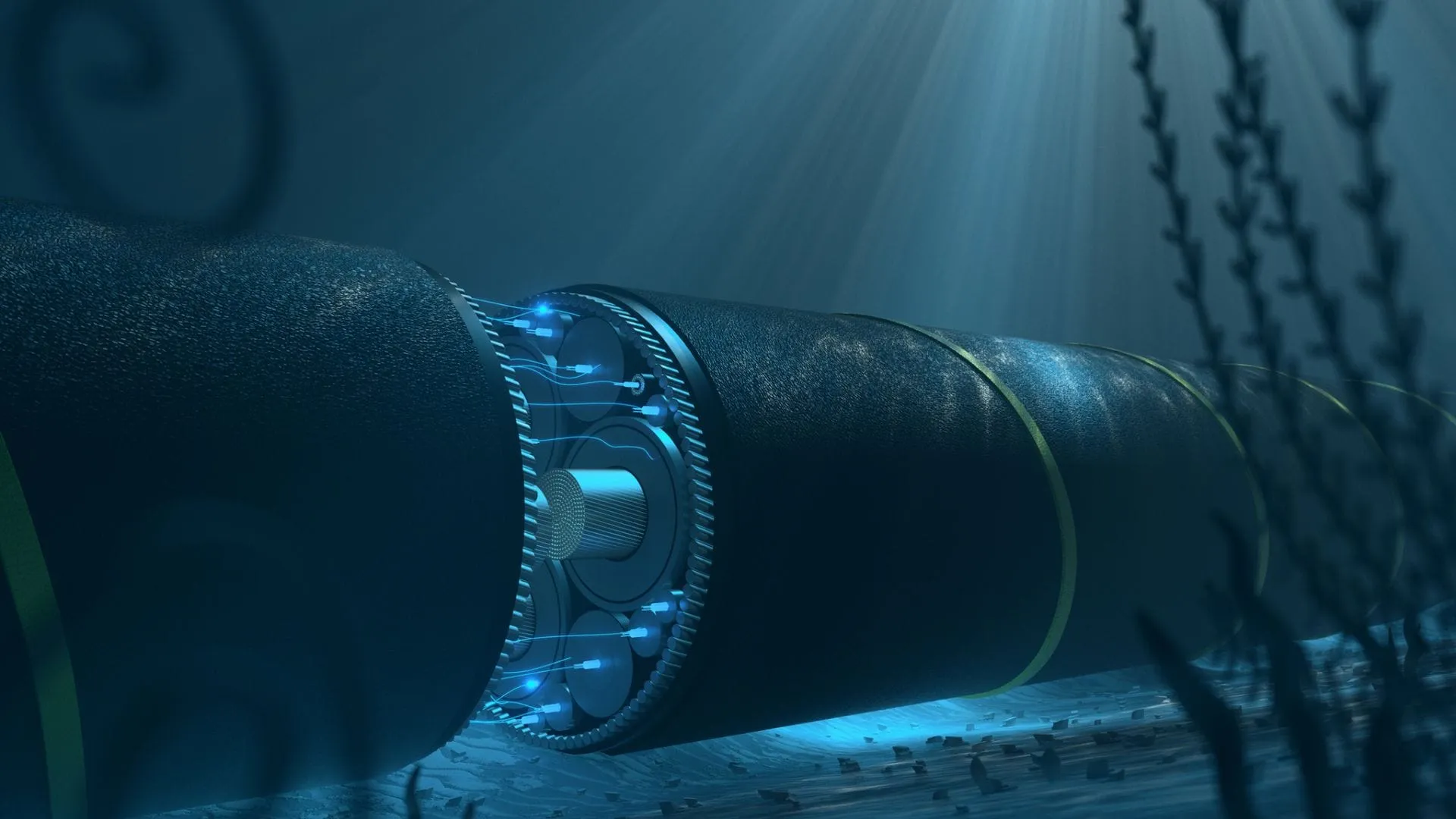
The Subsea Battlefield: When Fiber Cables Become Targets
In the high-stakes theatre of the US-Iran conflict, the battle lines are not just drawn on land or in the air; they are shifting beneath the waves. Subsea fiber optic cables, the invisible arteries carrying the world’s digital data, have suddenly entered the volatile orbit of geopolitical tension, posing a novel and potentially devastating new battlefield.
The Strait of Hormuz, a critical choke point for global energy and commerce, is now implicated in this digital struggle. Iran’s Islamic Revolutionary Guard Corps has publicly described several of the undersea cables running through this strait as legitimate new targets for future assaults. These are not merely passive lines of communication; they represent the essential infrastructure of modern global commerce and intelligence.
Spokesmen for the Iranian military have highlighted the vulnerability, noting that seven major cables pass beneath the Strait of Hormuz, facilitating all internet and commercial data flow. This claim escalates the conflict, suggesting that the physical integrity of these deep-sea conduits is now a crucial component of strategic targeting.
The threat is not just about observation; it involves a terrifying proposition for retaliation. Iranian military officials have suggested that should their critical infrastructure be attacked, a response could involve striking these very cables. This notion implies a dangerous shift toward infrastructure warfare, where the very fabric of global communication becomes a potential weapon.
Analysts believe this threat is grounded in reality. Experts point out that targeting these cables is entirely feasible, and historical precedents suggest such actions are not unheard of in modern conflict. The feasibility of targeting these deep-sea assets adds a fresh layer of complexity to existing strategic calculations.
The strategic interest in these deep-sea assets extends far beyond the immediate conflict. Nations worldwide recognize the immense value of undersea infrastructure, viewing it as a vital component of national security and economic stability. This pursuit of control over the digital sea is already shaping international relations, as demonstrated by other nations demonstrating intense interest in protecting or asserting influence over these crucial global networks.
The dynamic unfolding in the Strait of Hormuz serves as a stark reminder that in contemporary warfare, the targets are evolving. The lines are blurring between physical territory and digital space, demonstrating that the next phase of conflict may unfold in the deep ocean, where the flow of information dictates the flow of power.
Buy on Amazon
Credit
