Is Razer’s mouse turning feature cheating
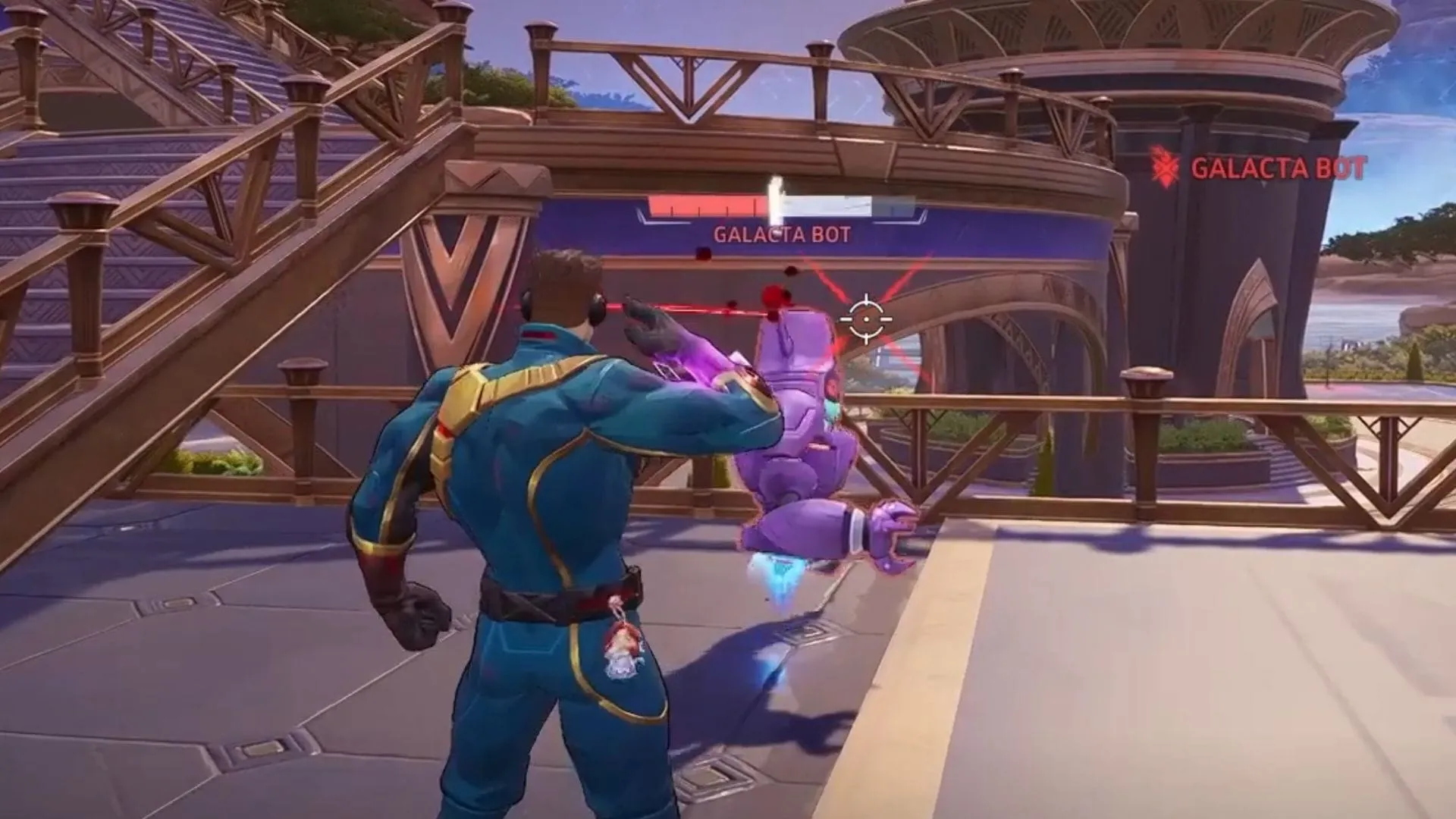
In the high-stakes world of competitive First-Person Shooters, where milliseconds decide victory, Razer is pushing the boundaries of peripheral technology with a feature that is sparking a heated debate: Perfect 180.
The latest iteration of Razer’s gaming mice, including the Basilisk V4 Pro and V4 HyperSpeed, introduces this controversial new software capability. Perfect 180 allows players to assign a quick 180-degree turn to a single mouse button, giving those with lower sensitivity the ability to instantly pivot and react to threats from any direction.
Razer positions the feature as a tool designed to give competitive FPS players an advantage, enabling them to react to threats more effectively than traditional turning mechanics allow. It is specifically marketed as being designed for low-sensitivity players who often struggle to quickly turn around to face unexpected danger at high speeds.
While the concept sounds revolutionary, the introduction of movement assists in gaming inevitably raises eyebrows. For many in the old school of competitive gaming, instant rotational movement felt like an unfair advantage—a sign of third-party aim assist or “hax.” This skepticism is not new, especially given past controversies surrounding similar software features, such as the SOCD/Snap Tap debacle.
However, proponents argue that Perfect 180 is more akin to a turn assist than pure aim assist. It is a hardware-led movement enhancement designed to improve situational awareness and reaction time, essentially a Snap Twist for mouse movement.
The debate now centers on where the line is drawn between legitimate hardware optimization and cheating. Is this an undeniable assist that levels the playing field for certain skill sets, or does it redefine what constitutes fair competitive play? As gaming hardware continues to evolve, features like Perfect 180 force the community to re-evaluate the very definition of what is acceptable in competitive gaming assists.
Buy on Amazon
Credit
