Jalapeño ASICs deployed with AMD CPUs instead of Nvidia
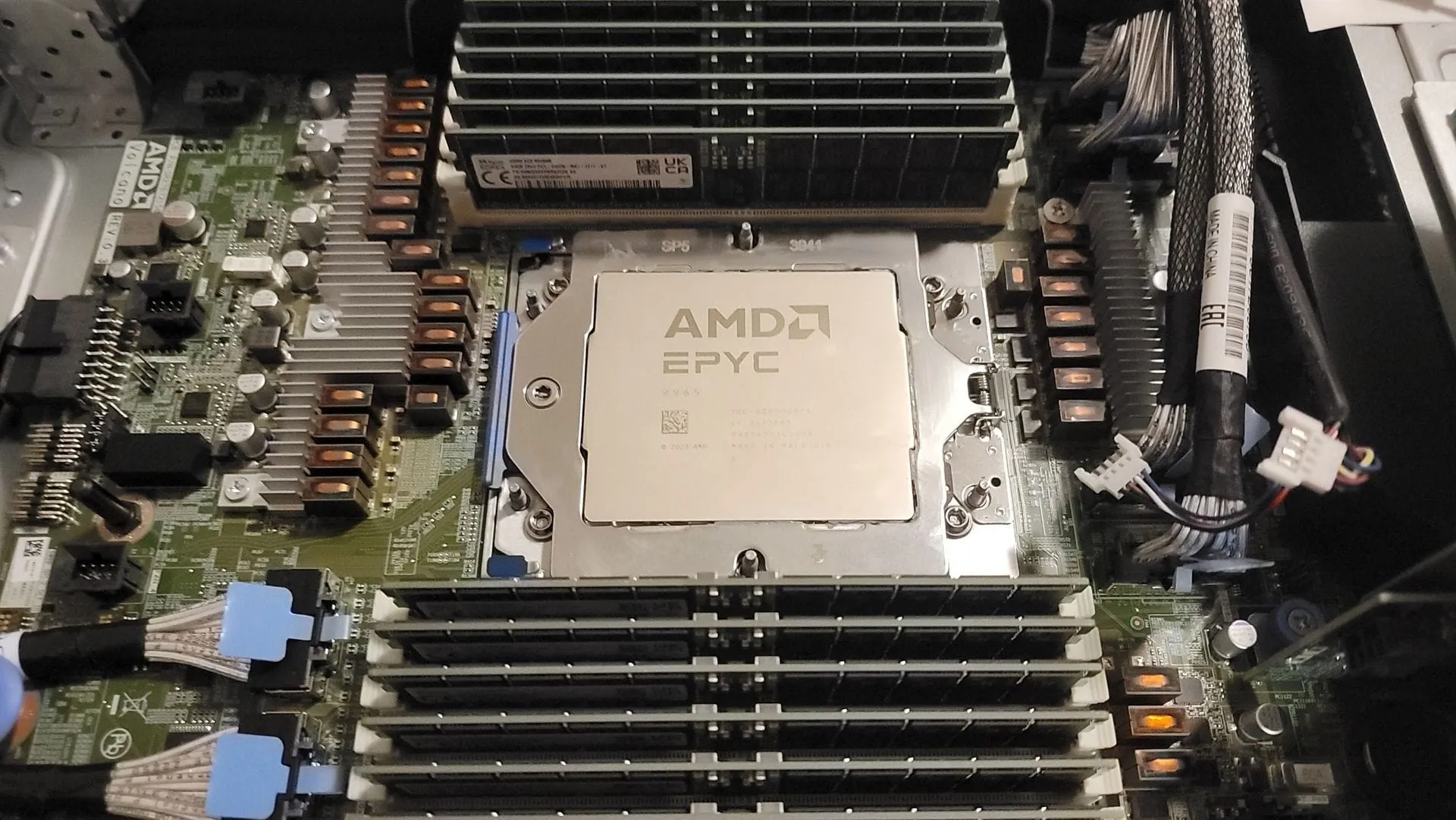
The race to build the next generation of artificial intelligence is not just fought in algorithms; it’s intensely waged in silicon. At the forefront of this hardware battle is OpenAI, which is currently deploying its cutting-edge Jalapeño ASIC in a fascinating partnership with AMD’s EPYC Turin hosts. This collaboration isn’t just about raw power; it represents a deep strategic dive into which architecture—x86 or ARM—will ultimately define the future of AI inference.
When discussing this deployment, the focus quickly turned to the choices made behind the scenes. For OpenAI, the decision to pair the Jalapeño chip with the Turin platform was rooted in pragmatism. As Richard Ho, Vice President and Head of Hardware at OpenAI, explained, the goal was to de-risk the entire process while pushing aggressively on performance and cost. The takeaway was clear: speed and stability were prioritized over chasing the absolute theoretical peak.
This pragmatic approach highlights the complex dynamic between the competing hardware ecosystems. On one side, the x86 architecture, anchored by AMD’s Turin, represents a mature foundation, benefiting from decades of established infrastructure. On the other, the Arm-based Vera CPU, championed by Nvidia, is positioning itself as a powerful challenger, particularly in the emerging field of agentic computing.
The performance claims between these camps are compelling. Nvidia’s Vera CPU has made bold assertions, claiming up to an 1.8x improvement over the AMD Turin chip when evaluated across an overall benchmark suite. Yet, as the industry continues to refine benchmarks, the real-world performance across diverse, demanding workloads remains a subject of ongoing scrutiny.
The discussion extends beyond direct comparisons. Arm’s AGI CPUs, such as Vera, are heralded for their potential to accelerate the complex reasoning inherent in agentic loops, offering an alternative paradigm to x86. While Arm has successfully driven efficiency in cloud workloads through designs like Graviton, the transition to dominant AI hardware requires balancing impressive theoretical performance with practical deployment realities.
OpenAI’s decision to utilize Turin, rather than pushing for the newer Vera platform initially, speaks volumes about the practicalities of hardware integration. This choice was further influenced by the operational experience of their partners. Practical factors, such as the physical mounting of the chips—board-mounted versus socketed—also played a role in the final engineering decision, showing that hardware strategy must account for not just speed, but also seamless system servicing.
Ultimately, this deployment showcases a sophisticated approach to technology development. By balancing the immediate needs of deployment with the long-term potential of emerging architectures, OpenAI is navigating the rapidly evolving landscape of AI hardware. Whether the future of the data center is defined by the legacy of x86 or the efficiency of ARM is still being written in the silicon, and this internal choice serves as a compelling case study for the industry.
Buy on Amazon
Credit
