Josh Sawyer reveals RPG city costs are 4x dungeon cost
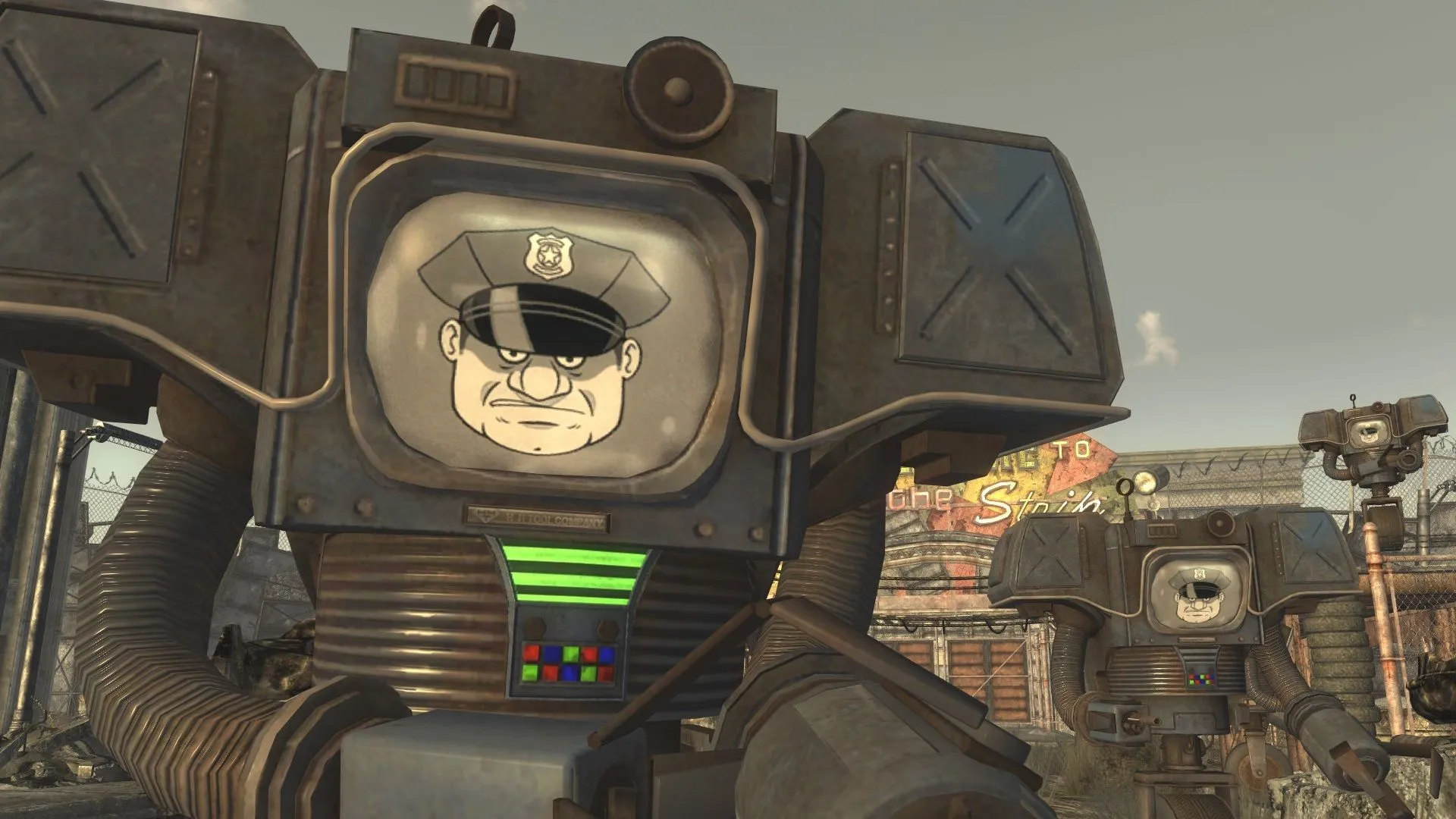
Why do we crave the cobblestone streets and neon-drenched alleys of fantasy, and why are so few Role-Playing Games set in the gritty reality of contemporary urban settings? A recent discussion dives into the fascinating paradox of urban role-playing, revealing that the challenge often lies not just in the narrative, but in the sheer cost and complexity of building such worlds.
Game developers are facing a unique hurdle when attempting to translate the sprawling density of a city into an interactive RPG environment. As one industry voice points out, creating believable, dense urban settings demands an extraordinary amount of effort. It’s a challenge that pushes the boundaries of design, forcing creators to consider more than just combat mechanics—they must grapple with architecture, socio-economic layers, and realistic population dynamics.
This complexity is evident in titles that have managed to capture atmospheric urbanity, such as Baldur’s Gate 2’s Athkatla, the deep psychological grit of Disco Elysium, and the recent world-building in Zero Parades. These games demonstrate that the potential for deep, immersive urban adventures exists, but realizing that potential is significantly more demanding than crafting traditional fantasy realms.
The difficulty is compounded by the notoriously difficult development cycles inherent in these ambitious projects. Games like Vampire: The Masquerade – Bloodlines and Cyberpunk 2077 serve as powerful examples of how ambitious scope often translates into extended and arduous development periods for studios.
Despite the hurdles, the appeal of urban exploration in RPGs remains potent. Many players clearly gravitate toward these settings, drawn to the familiar yet complex tapestry of city life. For instance, the rich environments of Novigrad and Oxenfurt in The Witcher 3 exemplify the enduring love for these atmospheric, urban adventures.
Even as developers grapple with the technical and financial demands, niche titles continue to push the envelope. A compelling example of an urban RPG experience that showcases this design potential is the early access title Moves of the Diamond Hand offers a refreshing take on the genre, proving that urban immersion is a highly rewarding experience.
Ultimately, the pursuit of the perfect urban RPG environment is a testament to the creative will of developers. As the industry continues to evolve, the next generation of games is poised to redefine what it means to bring the electric, complex pulse of the modern city into the heart of role-playing adventure.
Buy on Amazon
Credit
