KCD co-founder hopes GTA 6 will raise game prices
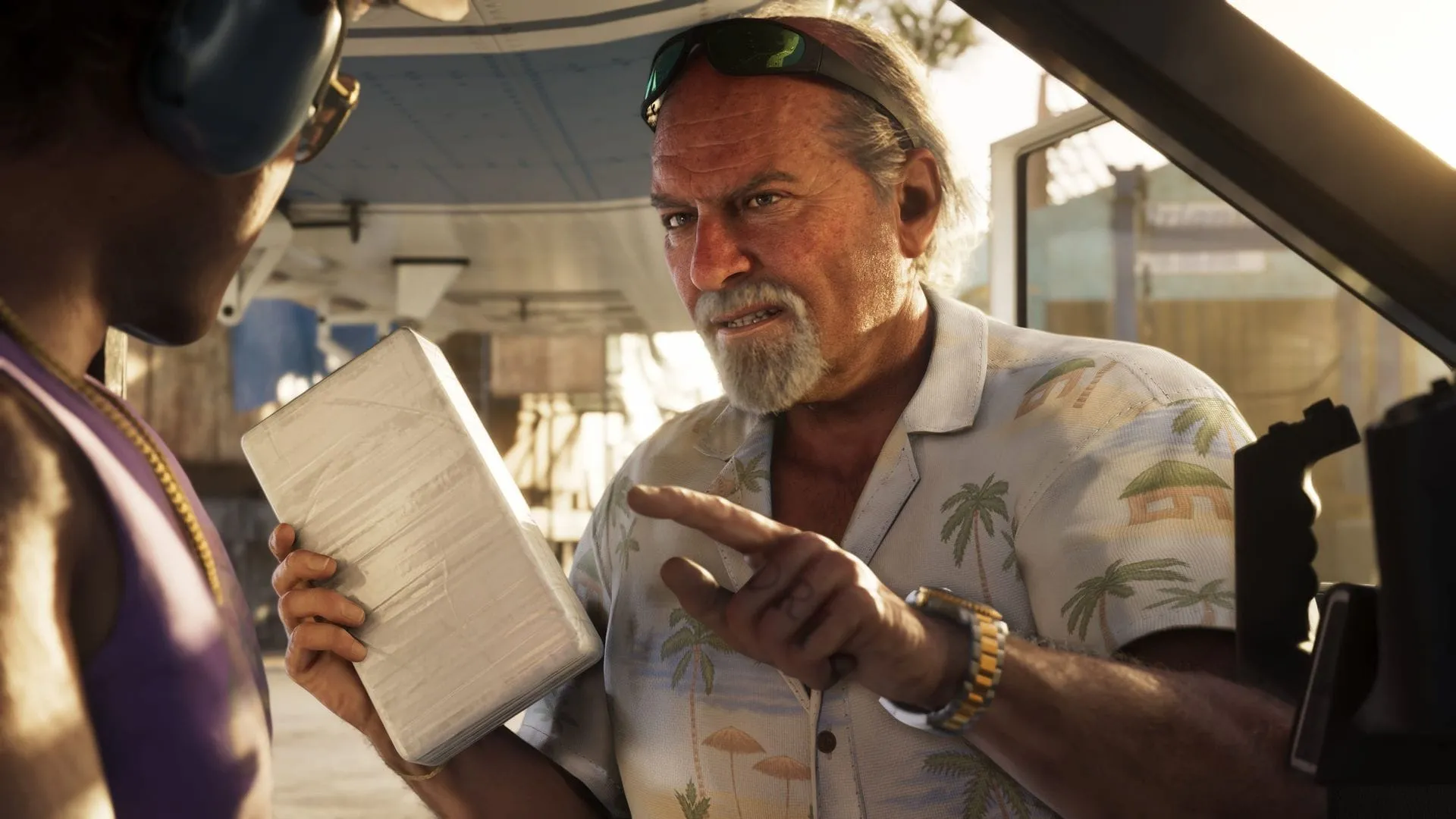
In the high-stakes world of AAA gaming, where titles are celebrated as technological marvels, a counter-narrative is emerging—one focused less on gameplay and more on economics. Warhorse Studios co-founder Martin Klima, known for his critical perspective, is pushing for a fundamental shift in how the industry values its creations, arguing that the massive success of titles like Grand Theft Auto offers a crucial opportunity to raise prices.
Klima openly admitted that he has no personal affinity for the Grand Theft Auto series and harbors no desire to play GTA 6 when it launches on November 19. Yet, his aversion to the games is not a rejection of their quality; rather, it stems from a broader frustration. He questions why such games command such overwhelming popularity, stating that the game’s success simply “beats me,” highlighting a disconnect between consumer desire and the perceived value of the product.
Despite his personal reservations, Klima isn’t inimical to the games themselves. He genuinely respects the technological achievements of the studios involved, viewing them as “technological marvels.” His focus shifts to the systemic issue facing the entire gaming sector: the staggering cost of development versus the revenue streams available to support it.
Klima points out that the industry faces a significant paradox. Games are notoriously expensive to produce, a trend likely to persist as computing power and audience expectations continue to escalate. However, new revenue streams are insufficient to cover these endeavors. Audience growth has essentially maxed out, and digital marketplaces have already provided maximal returns on sales, effectively meaning that the traditional model of monetization is strained.
This economic squeeze leads to a provocative suggestion: raising the unit price. Klima believes that this move is essential for the survival of the industry. He argues that if titles like GTA 6 can successfully blaze this trail, it will create the necessary momentum for others to increase their costs.
This idea resonates with broader industry sentiment. As some analysts have suggested, the pressure to increase pricing is not just about benefiting the developers; it is about establishing a new economic benchmark for the entire business. For instance, one securities analyst argued that if the next major release can succeed at a higher cost, it will inevitably “raise the price point for the entire industry.”
The reality of the market is already starting to reflect this dynamic. After months of speculation, Take-Two confirmed that GTA 6 will launch at $80. While some might view this as a significant jump, the strategy employed—locking substantial content behind premium editions—means that the game is effectively worth $100, leveraging consumer willingness to pay for exclusive access.
This move sets an exciting precedent. If the expectation is that the success of a flagship title like GTA 6 will normalize and increase costs, the future points toward a landscape where games in 2027 and beyond will likely command even higher prices. The narrative is shifting from simply creating entertainment to establishing a new, more profitable economic framework for game development.
Buy on Amazon
Credit
