Keurig sent 1TB of data over Wi-Fi in 10 days
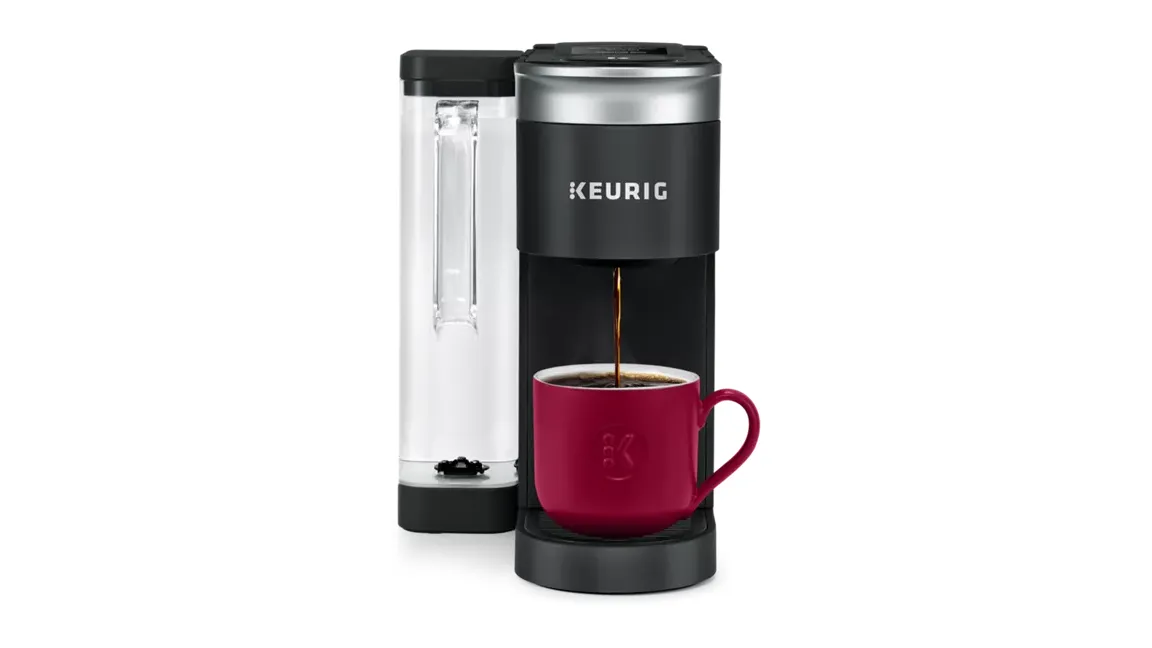
In a digital world increasingly defined by convenience, a humble coffee maker seemingly staged a massive data heist. A smart Keurig brewer, owned by a self-described IT professional’s parents, reportedly dumped a staggering one terabyte of data over their Wi-Fi connection in just ten days, causing serious security concerns for the household.
The story didn’t begin with a data breach alert, but with a simple network slowdown. The family noticed their Wi-Fi was sluggish, prompting the IT-savvy Nomad, a specialist in 3D printing and IT, to investigate the source. What he discovered was a flood of traffic originating from an appliance that should have been silent: a Keurig smart coffee maker.
The sheer volume of data raised immediate red flags. Nomad suspected the device was attempting to communicate information far beyond its intended function. When he analyzed the network traffic, the data suggested an upstream flow of nearly 1TB. This wasn’t just a few gigabytes; the traffic estimated to be averaging nearly 97 gigabytes per day, potentially overwhelming the access point and suggesting a major malfunction or unauthorized activity.
The target of the investigation was the K-Supreme SMART with BrewID model. This sophisticated brewer connects to the internet for remote brewing and smart home integration, using voice controls and app management. While the device is designed to recognize K-Cup pods via Wi-Fi, the potential for data leakage from the proprietary firmware quickly became a pressing concern for Nomad.
Nomad explored the possibility that the device was simply acting up, perhaps engaging in unintentional data broadcasts. He noted that while the official network monitoring did not confirm the full 1TB upload, the volume indicated a significant glitch. The embedded software, which interfaces with systems like Azure RTOS, handles various states—power status, brew history, and pod recognition—all of which are streamed to the cloud. The key question remained: was this legitimate operational data, or was it unwanted information being leaked?
The investigation led Nomad to conclude that the device was likely generating local junk data. To mitigate the issue, he took a cautious approach, immediately unplugging the coffee maker. He then segregated the device onto a separate Virtual Local Area Network (VLAN), effectively quarantining it from the rest of the smart home network. This temporary fix stabilized the Wi-Fi and alleviated the network strain.
Ultimately, the incident serves as a stark reminder about the growing security implications of the Internet of Things. As smart devices become more integrated into our homes, the potential for unintentional data leakage and privacy risks grows exponentially. While the Keurig manufacturer remains silent on the specific flaw in the device’s network stack, the event fuels a broader conversation about how IoT device manufacturers must ensure robust security protocols from the start.
Buy on Amazon
Credit