Ledger reviews policies after $93M hardware attack
The Invisible Threat: How Supply Chain Tampering Led to $93 Million in Crypto Theft
A massive breach shook the cryptocurrency world, revealing a vulnerability hidden deep within the supply chain of popular hardware wallets. The incident exposed how physical tampering, carried out by unauthorized parties, can lead to devastating financial losses, resulting in the theft of $93 million in cryptocurrency recovery phrases.
The fallout occurred when hundreds of wallets were simultaneously drained across the Bitcoin, Ethereum, and Tron networks. Investigations quickly traced the source of the trouble to a third-party reseller, CryptoBilis, which supplied devices that had been physically compromised before reaching their end-users.
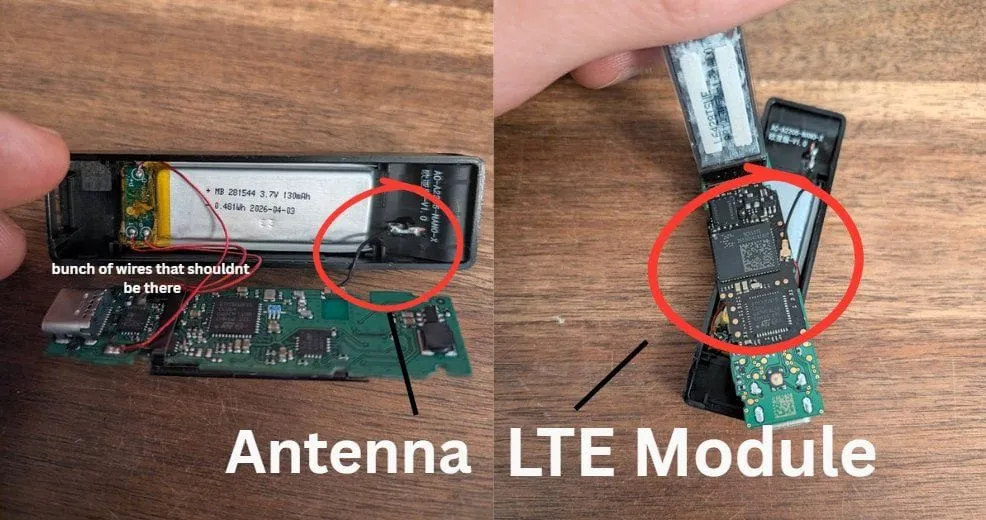
The mechanism of the attack was ingeniously subtle. Attackers had installed unauthorized hardware implants—specifically cellular/LTE modules—inside brand-new Ledger devices. These rogue chips were designed to operate silently, recording the output of the recovery phrase displayed on the wallet screen or reading the raw hardware data lines.
Once implanted, the cellular chip acted as a stealth transmitter. When a user initiated the process of generating or verifying their 24-word recovery seed phrase, the device silently transmitted this unencrypted phrase over LTE networks directly to external command servers. This allowed attackers to remotely clone the private keys and drain the associated crypto funds, completely bypassing Ledger’s standard security protocols.
Ledger confirmed the physical nature of the threat, stressing that the malicious hardware sat entirely outside the main firmware and standard security software, rendering automated checks useless. While the company remains confident that its internal infrastructure and direct-to-consumer sales channels are secure, the incident prompted an immediate, comprehensive review of its entire sales and distribution process.
In response, Ledger’s leadership launched an urgent reassessment of its chain-of-custody and tamper detection practices. CTO Charles Guillemet confirmed that the company is reviewing anti-tampering protections across all devices. Users with wallets from affected sources were advised to secure their funds immediately and contact Ledger support for specific instructions on device examination.
CEO Pascal Gauthier emphasized that physical supply chain tampering is a systemic risk for the entire industry. To address this, Ledger is restructuring its vendor verification requirements, instructing distributors to enforce stricter tracking, source products only through approved channels, and strictly prohibit the resale or restocking of returned units.
The response signals a critical pivot in how hardware security is managed. By inviting researchers and other vendors to collaborate in assessing these practices, Ledger is pushing the industry toward a new standard of physical security, ensuring that the next generation of crypto hardware is built with uncompromising protection from the start.
Buy on Amazon
Credit
