Lego beats Minecraft in the city builder war
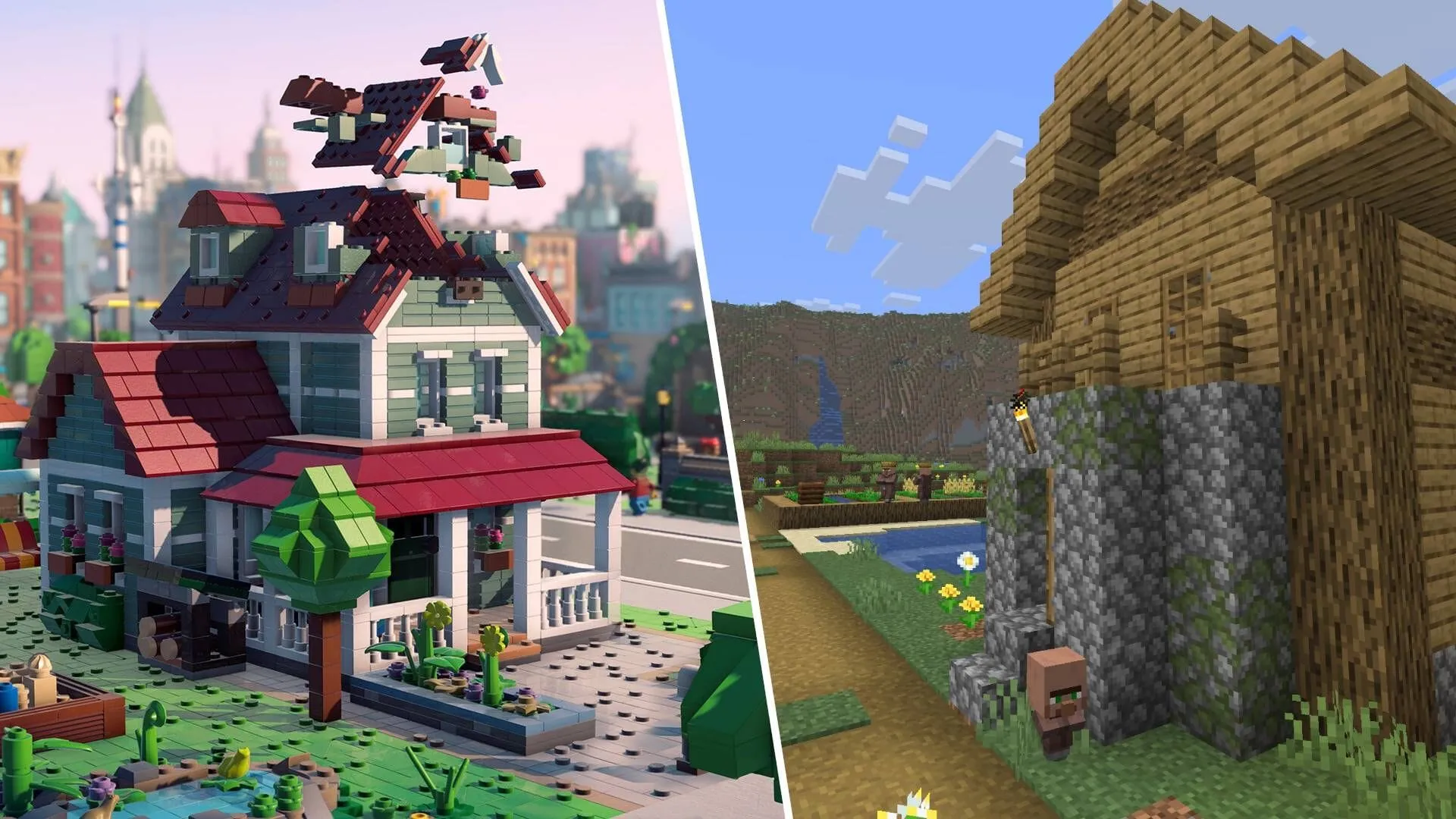
There is a universal human instinct to build, to shape, and to create. Whether we are snapping together plastic bricks or crafting complex digital worlds, the act of city-building and architectural design taps into a deep, satisfying creative urge. Recently, this urge has found a new, official outlet with the launch of Lego Skylines, a city-builder that allows fans to construct sprawling metropolises from colorful bricks.
The existence of Lego Skylines sparked an immediate, collective shrug from the gaming community, prompting a lighthearted acknowledgment that this genre was long overdue. It made one wonder about the digital landscape, particularly concerning the behemoth that is Minecraft. If a brand as iconic and widely played as Lego has successfully formalized the city-builder concept, why has the world of digital building lagged behind?
It seems the question naturally leads to the specter of competition. Given the massive player base and established popularity of both Lego and Mojang, one might assume that a direct spinoff—a city-builder built within the Minecraft universe—was inevitable. The logical step would be to merge the two giants and capture the desire of builders everywhere.
But the reality of the gaming ecosystem often involves more than just obvious logic. While the idea of a Minecraft city-builder seems intuitively appealing, the execution of spinoffs has often proven to be a tricky business. Other major spinoffs, such as Minecraft Dungeons and Minecraft Legends, have shown mixed results, suggesting that simply applying a known formula isn’t always enough to guarantee success.
Perhaps the gap between potential and reality is filled by internal development. It is possible that Mojang has internally prototyped such a feature, recognizing its massive appeal, but perhaps lacked the necessary partner studio or strategic direction to bring it to the public stage. The path from a beloved sandbox game to a specialized city-builder requires careful calibration, making it a challenge far more complex than simply replicating existing content.
Ultimately, the story of city-building in gaming highlights the fascinating tension between creative potential and commercial execution. It reminds us that even the most obvious ideas require thoughtful development to evolve from a simple concept into a fully realized, engaging experience.
Buy on Amazon
Credit
