LG Evo Gaming Monitor Visual Performance Review
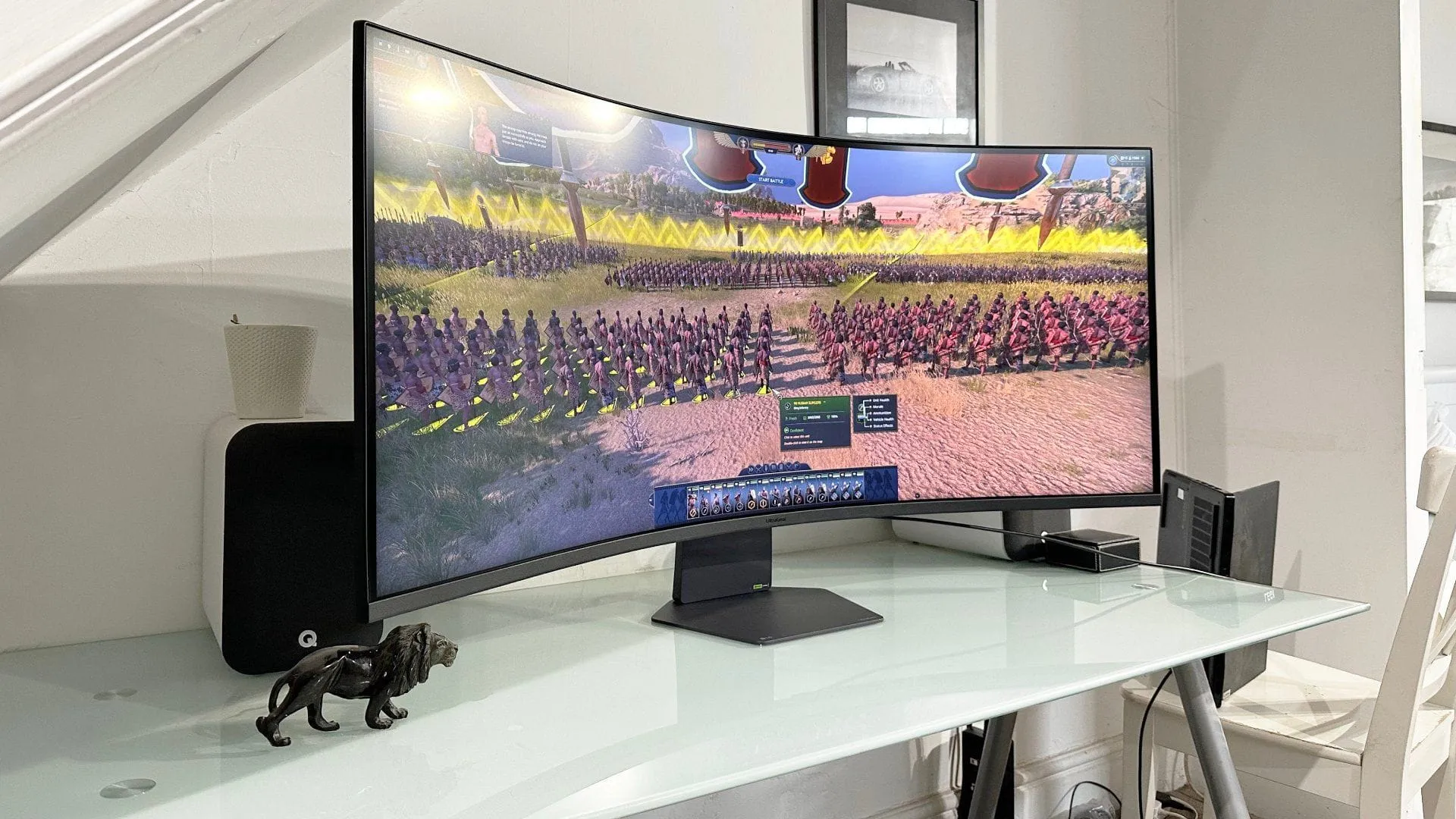
The XXL Gamble: Is the Massive 52-Inch Monitor Worth the Hype?
When you look at a screen size of 52 inches and a resolution of 5K2K, the promise is simple: monumental immersion. The LG UltraGear Evo 52G930B arrives with this kind of scale, suggesting a genuinely cinematic experience for PC gamers. But as with many high-end peripherals, the real test isn’t just the size; it’s whether the performance lives up to the hype.
This behemoth is built on a VA panel, which immediately sets it apart from the high-contrast, lightning-fast OLED or IPS panels dominating the premium market. It doesn’t feature mini-LED local dimming, meaning it sacrifices the deep contrast control that modern displays offer. While it boasts a 240 Hz refresh rate and 1 ms response time, the technology underpinning the display means that true contrast and lighting control are limited, offering only DisplayHDR 600 certification.
Despite these limitations, the monitor does pack impressive features. It offers 5,120 x 2,160 resolution, a 21:9 aspect ratio, and the added benefit of a 1000R curve. This curve helps pull the viewer into the display, creating a sense of presence that is genuinely immersive, especially when gaming. Furthermore, the monitor includes comprehensive PC-centric connectivity, such as DisplayPort 2.1, HDMI 2.1, and USB-C with 90W Power Delivery, making it a feature-rich hub for a PC setup.
However, sheer size brings ergonomic challenges. While the width is appealing, the depth and height of the 52-inch display can quickly dominate desk space. Whether you find the expansive view overwhelming depends entirely on your viewing distance and setup. For some, the immersion factor is undeniable, but for others, the physical footprint feels excessive.
Pixel density is another point that requires consideration. While the 5K2K resolution improves upon some 4K TVs, the actual pixel density on this large screen doesn’t quite reach the level of true PC monitor standards, especially when compared to some of the smaller, sharper panels available. This means that while the image detail is punchy and vibrant, it isn’t necessarily the sharpest possible viewing experience for pixel-dense games.
The monitor’s performance shines brightest when the gaming focus shifts away from high-speed, twitch-based esports and toward strategy and exploration. For deeply immersive titles like the Total War series or sprawling adventure games, the massive field of view becomes a spectacular asset. Seeing battalions of infantry and armies spread across the screen is truly epic, offering a unique, seminal experience that smaller monitors simply cannot replicate.
But for action games demanding split-second reaction times, the trade-offs become more apparent. The VA panel technology, while providing good intrinsic contrast, struggles with dark tones, and response times, even at 1 ms, can show some smearing or ghosting compared to top-tier IPS or OLED competitors. The lack of local dimming means the HDR effect is more of a suggestion than a reality.
Ultimately, the LG UltraGear Evo 52G930B isn’t a universal solution. It’s a niche powerhouse—a statement piece for those who prioritize screen real estate and cinematic immersion over absolute technical superiority. When you weigh the staggering scale and the unique field of view against the fact that even larger, more technologically advanced options exist for less money, the verdict is clear: this monitor is spectacular in its own right, but it exists primarily in the realm of epic strategy and adventure, not competitive pixel-perfect speed.
Buy on Amazon
Credit
