Linux tech compresses RAM for 452x speedup
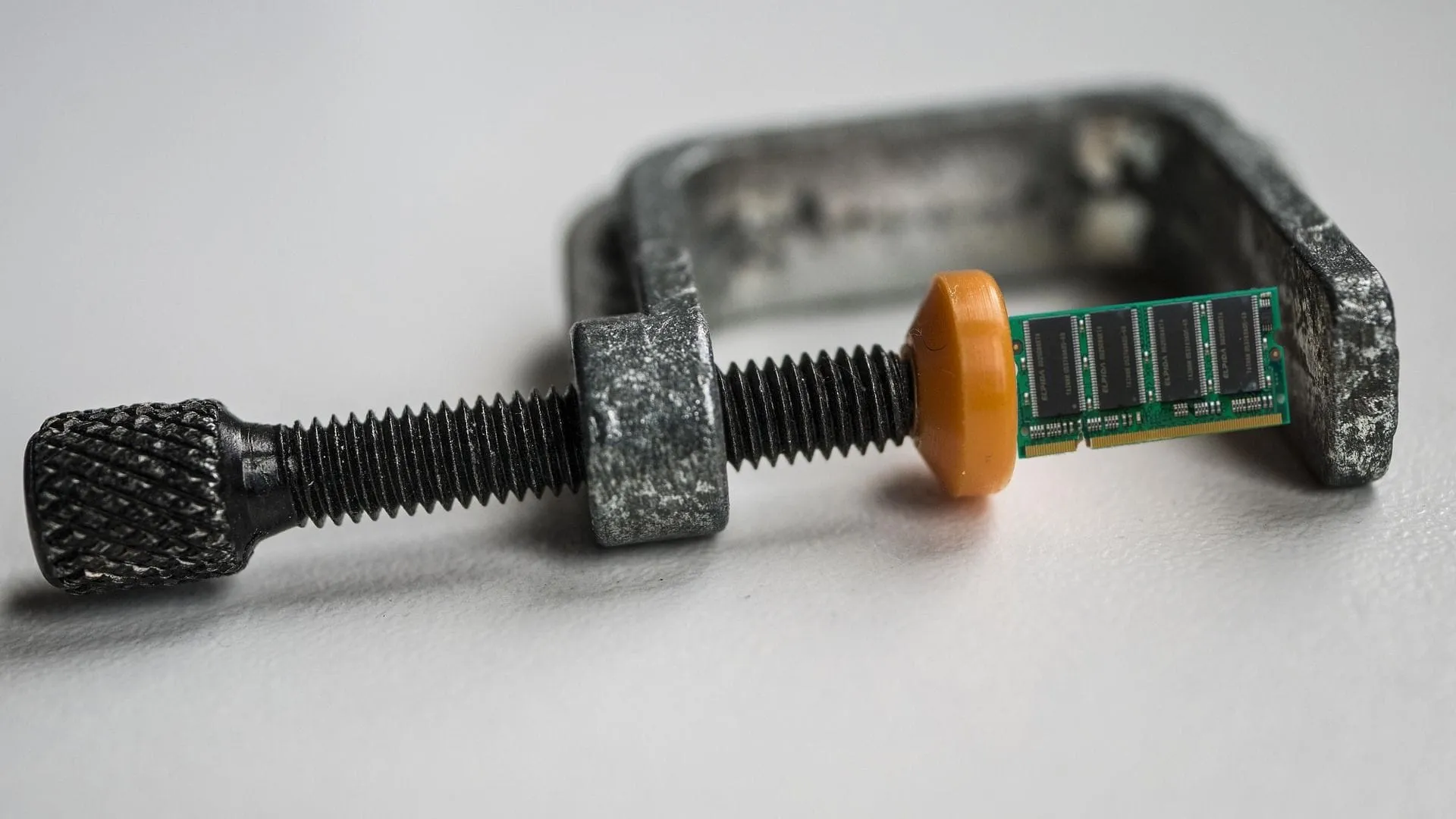
CRAM: The Memory Revolution Redefining Compression Performance
When we think about maximizing the performance of modern systems, a major bottleneck often lies in managing memory, especially when dealing with compressed data. For years, solutions like zswap and ZRAM have been popular features in the Linux ecosystem, effectively utilizing swap space to manage memory pressure. However, a new approach is emerging that promises a dramatic leap in efficiency, one that seeks to eliminate swap entirely by keeping compressed data directly in memory.
This new concept is called CRAM, a novel compression model developed by Gregory Price and his team at Meta. The fundamental insight behind CRAM is that the biggest performance hit from compressed memory isn’t the compression itself, but the operational overhead associated with faulting and swapping. The goal of CRAM is essentially to perform compression without incurring the performance penalty of moving data to a separate swap layer.
To achieve this, CRAM leverages existing Linux mechanisms to enable radically higher-performance compressed memory access. Instead of treating compressed data as a block device, CRAM utilizes a private NUMA node—a kind of “ghost CPU”—allowing the system to maintain all of its established memory semantics, including memory migration and ballooning, while managing the compressed data seamlessly.
The power of CRAM comes from treating the compressed data as regular RAM, accessible with full cacheline/byte access with minimal delay. This approach allows CRAM to operate at the speed of DRAM, largely offloading the computational burden of compression into the hardware. For read operations, this translates to truly massive gains, claiming up to 452 times the performance of ZRAM.
While the read-only performance is staggering, the reality of system operation involves writing data, which introduces complexity. CRAM has demonstrated significant improvements even when writes are enabled, achieving a speedup of 5.4 times in the worst-tested scenario of 20% writes. This dramatic reduction in performance variance highlights the crucial role of CRAM in mitigating the performance cliffs that occur when dealing with write-heavy operations.
A critical component of the CRAM design is the “Chicken Bit.” This mechanism acts as a safeguard, preventing cascading failures—often termed “poison storms”—that can occur when write demands outpace the system’s ability to allocate space within the compressed memory. It introduces necessary controls to ensure stability during dynamic memory management.
Although CRAM has demonstrated incredible potential, the full picture of its real-world impact remains an area of ongoing research. Challenges remain in fully resolving how the system accurately tracks the available “logical” RAM when portions are compressed, and ensuring that the complex write-and-allocation interactions are handled flawlessly across all hardware architectures. Nevertheless, CRAM stands as a compelling new path forward for managing memory, promising a future where compression enhances, rather than hinders, overall system speed.
Credit