Liquid metal TIM turns solid instead of drying out
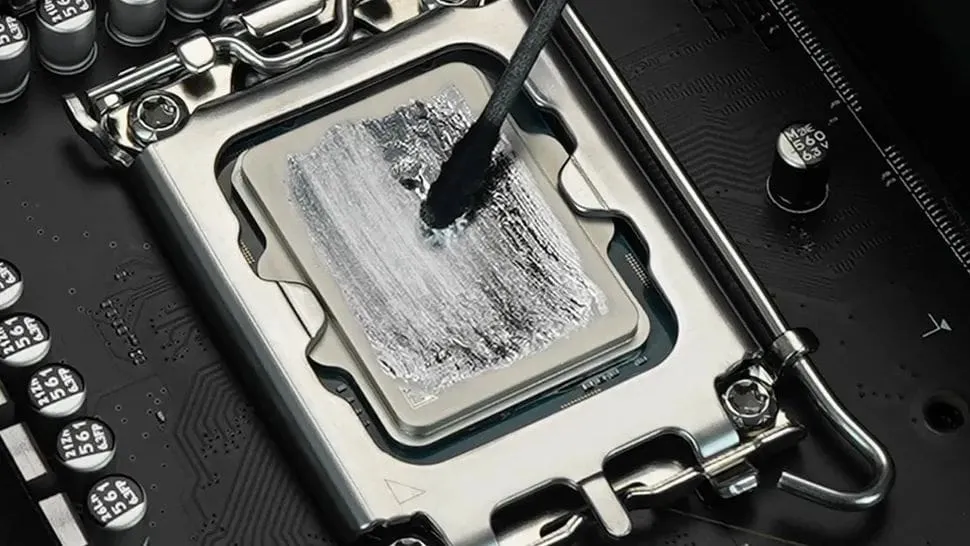
The Liquid Metal Revolution: When Thermal Interface Material Turns to Solid
In the relentless pursuit of higher performance in high-end computing, cooling bottlenecks are becoming a critical roadblock. As power densities surge—especially with flagship GPUs like the RTX 5090—the efficiency of heat transfer at the interface between the processor and the cooler plate is no longer an afterthought; it’s the defining challenge. Enter liquid metal thermal interface materials (TIMs), which promise incredible heat transfer but introduce fascinating, and sometimes volatile, material science surprises.
A hardware enthusiast delving into these complexities recently took a high-powered look at a two-year-old application of liquid metal. Using advanced tools, including an electron microscope, the test revealed that the liquid metal doesn’t simply evaporate or dry out. Instead, it engages in a chemical reaction with the underlying cooler material, transforming into a solid compound.
The discovery was anything but simple. After two years of exposure, the gallium within the liquid metal bonded with the copper in the cold plate, forming a stable compound known as CuGa2. This reaction dramatically alters heat conduction performance. For pure copper, the resulting compound’s heat conductivity is only about one-quarter of the bare metal’s, marking a significant shift in how heat moves across the interface.
The material’s fate depends entirely on the base metal. When tested against aluminum, the reaction was more volatile. The gallium interacted with the aluminum’s oxide layer, causing surface swelling and leading to the metal becoming brittle within a short time. This surface reaction, while known in materials science, underscores the need for careful application.
However, the reaction with copper proved the most stable, creating a solid film that resists further change. This solidification process means the heat path is permanently altered, yet the material remains solid up to very high temperatures, making it incredibly durable for extreme conditions.
A similar phenomenon occurred when testing the liquid metal on nickel-plated coolers. In this case, gallium formed NiGa5, a solid compound that, while slightly less efficient than the pure copper compound, still offered protection to the underlying copper. This outcome suggests that while the surface layer changes, the underlying heat management remains a central concern.
Dealing with this solidified residue requires specialized solutions. Fortunately, companies are developing methods to manage this material. Thermal Grizzly offers a solution, TG Metal Polish & Restore, which utilizes a surfactant to bind the gallium, preventing it from sticking and making removal manageable. This technique turns a potentially messy cleanup into a straightforward process, offering enthusiasts a pathway to maintain their high-performance systems.
While this liquid metal technology is proving revolutionary for pushing the limits of thermal performance in enthusiast hardware, experts caution that it remains firmly within the enthusiast bubble, targeting components with extremely high power density. As the industry moves forward, continued innovation in thermal coatings and materials will be key to unlocking even greater efficiency.
Meanwhile, the supply chain for essential materials like gallium is facing geopolitical shifts. Prices for gallium have reportedly more than doubled since 2025, reflecting global tensions and China’s dominant role in supplying nearly all of the world’s supply. This material story perfectly illustrates how cutting-edge technology is inextricably linked to the complex realities of global economics.
Buy on Amazon
Credit
