Local block halts $68B in massive data center projects
The Data Dilemma: When AI’s Infrastructure Sparks Local Resistance
The race to build the physical backbone of artificial intelligence is running on a staggering scale, requiring data centers that consume vast amounts of energy, water, and land. But as hyperscalers pursue this digital frontier, they are increasingly running headlong into a powerful wave of local opposition, turning the promise of AI into a complex conflict over community rights and environmental sustainability.
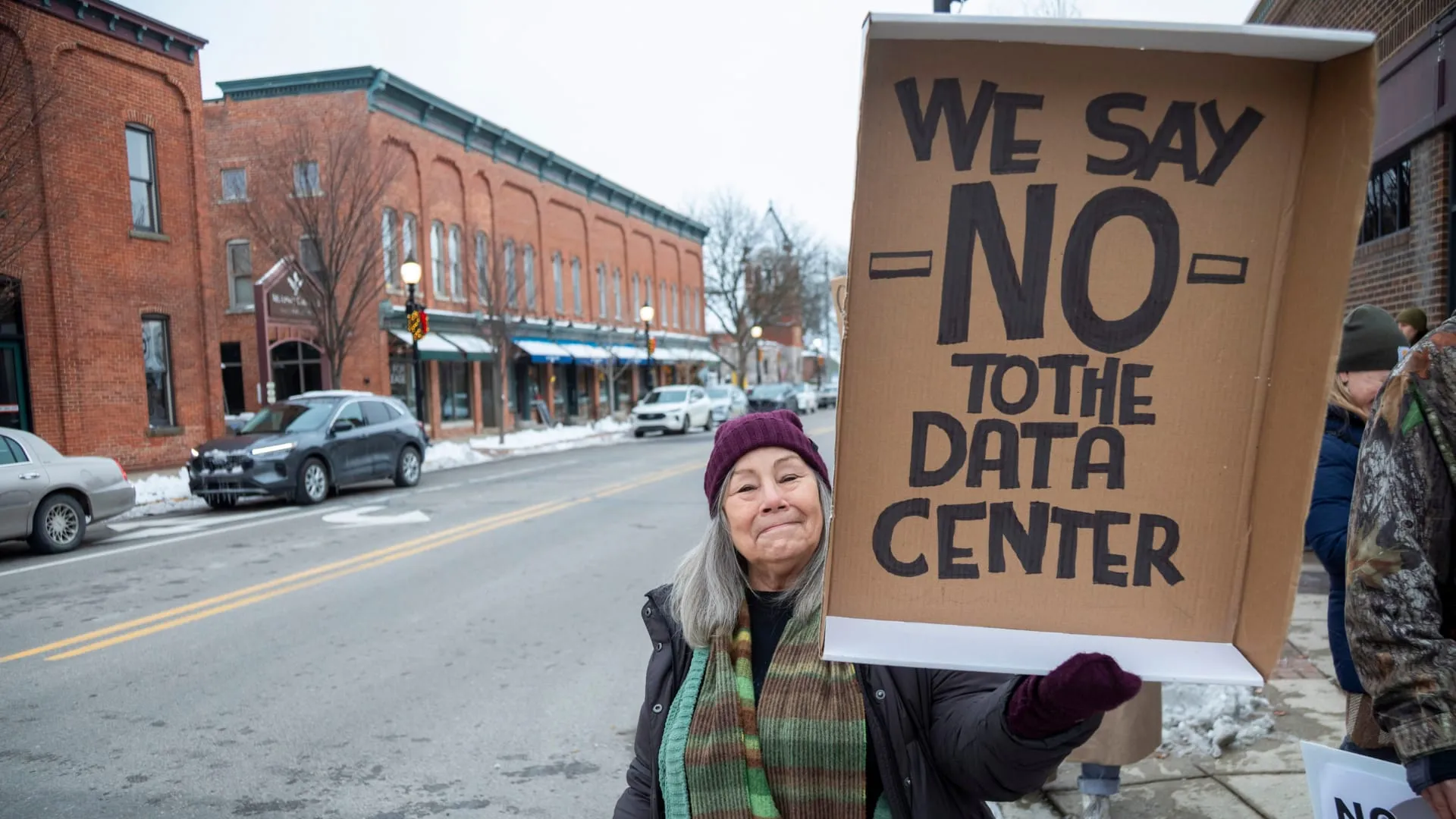
Between April and June this year alone, local opposition successfully blocked or significantly delayed $68 billion in planned data center projects across the United States. This resistance stems from deep concerns over land usage, noise pollution, and the colossal electricity and water demands these massive facilities place on local communities.
The stakes are enormous. The AI infrastructure boom is already reflected in phenomenal spending, with hyperscalers having invested over $1 trillion in data infrastructure since 2023, and an additional $745 billion in capital expenditure expected in 2026 alone. This relentless expansion, however, is causing friction on the ground.
One of the most contentious issues revolves around consumption. AI data centers require staggering amounts of water for cooling hundreds of thousands of accelerators. While some industry leaders argue that new architectures, like those developed by Microsoft, are adopting closed-loop cooling systems to drastically slash consumption, the raw figures remain alarming. Researchers estimate that the AI infrastructure is projected to consume up to 600 billion gallons of water by 2030.
These demands translate directly into power crises for residents. Analysts predict that data centers will consume 20% of the U.S. power by 2035. The consequences of this power hunger are immediate: an AI data center project in Virginia, for instance, led to an irreversible 76% hike in residents’ electricity bills, prompting state regulators to crack down and mandate that hyperscalers cover the transmission costs.
The push for on-site power generation is another flashpoint. To meet the extreme power demands, many hyperscalers are turning to gas plants, which often rely on fossil fuels. This shift has brought a new layer of environmental concern. For example, Elon Musk’s Colossus 2 data center was installed using 59 unpermitted natural gas turbines, which reportedly released thousands of tons of pollutants into communities already suffering from respiratory issues.
Across the nation, this tension has manifested in public action. In July this year, 142 AI data center protests were simultaneously staged across 42 states, demonstrating widespread public dissent. Opposition groups, estimated at over 843 across the U.S. states (excluding Hawaii), are demanding that development proceed responsibly and account for the true environmental and social costs.
The dilemma is clear: AI is proving to be a revolutionary force, yet the speed of its adoption is putting immense pressure on local governance and environmental stewardship. While proponents argue that these centers are an absolute necessity for future innovation, opponents insist that growth must be balanced by responsible execution. As investment in AI data centers is projected to hit $32 trillion by 2050, the conversation is shifting from simply building capacity to ensuring that the digital future is also a sustainable and equitable one for everyone.
Buy on Amazon
Credit