Logitech Superstrike update makes the original obsolete
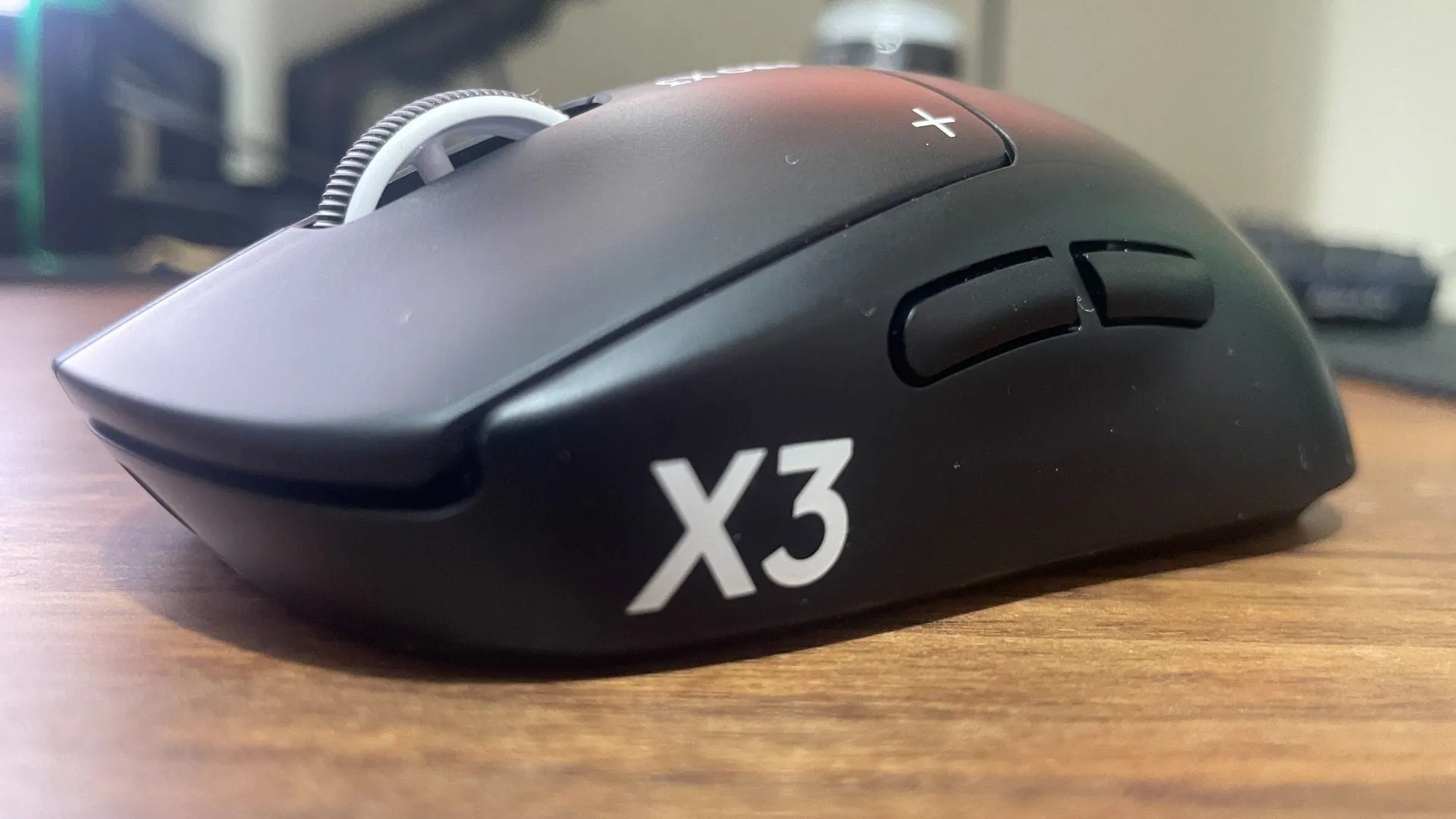
When Logitech launched the G Pro X2 Superstrike earlier this year, it felt like we were witnessing a genuine revolution in gaming peripherals. This mouse introduced a level of customization that fundamentally changed how we interacted with a mouse, making the switches analogue and incorporating haptic feedback to perfectly replicate the feeling of a click. It was, without a doubt, a stunning technological leap.
This innovative design allowed for adjustable actuation—the ability to set exactly how far the switch needs to travel—while the haptics ensured that the click was felt exactly when needed. For a moment, it felt like the future of gaming hardware had arrived.
However, as with many groundbreaking technologies, the initial excitement gave way to a closer look at the details. While I was deeply impressed by the revolutionary tech, the physical execution of the mouse revealed some compromises. It wasn’t a flawless experience. Aspects like the side buttons felt mushy, the scroll wheel had frustrating long-press issues, and, crucially, the original Superstrike design suffered from being somewhat top-heavy, which translated into a front-heavy weighting.
For competitive gamers who demand precision and balanced weight, this front-heavy design introduced drag and made the mouse feel less smooth during movement. Given the premium price point and the focus on high-performance gaming, this lack of balance became a significant stumbling block for many users.
Seven months later, Logitech stepped in with the G Pro X3 Superstrike, aiming to correct these physical shortcomings. The X3 addressed the balance issues, making the mouse feel much more refined and well-weighted. It also brought efficiency improvements, offering up to 135 hours of battery life and an upgraded sensor with increased DPI and max speed.
While the feel of the X3 is undoubtedly superior—a more balanced and refined tool—the timing of the release still leaves a question hanging in the air. It prompts reflection on why the improved version wasn’t available when the original technology was first introduced.
Logitech’s engineers cited a desire to move quickly and take “shortcuts” to implement the new technology as fast as possible. It seems they prioritized getting the groundbreaking technology into the market quickly, even if it meant releasing a product that needed refinement.
Ultimately, the journey from the original X2 to the refined X3 highlights the tension between rapid technological deployment and the delivery of a perfectly polished product. While the X3 is a substantially better mouse, the situation reminds us of the subtle but persistent frustration that comes when innovation races ahead of perfection.
Buy on Amazon
Credit
