Lucasfilm wants more Star Wars games and is flexible on pitches
Beyond the Triple-A: How Star Wars is Redefining Game Development
The Star Wars universe is more than just lightsabers and space battles; it’s a sprawling cinematic mythology ripe for exploration. Lately, the gaming world has shown us that the greatest stories often don’t come from the biggest studios, and the Star Wars franchise is beginning to embrace this reality. This trend is perfectly illustrated by recent, successful titles that prove brilliant experiences can emerge from unexpected corners of the industry.
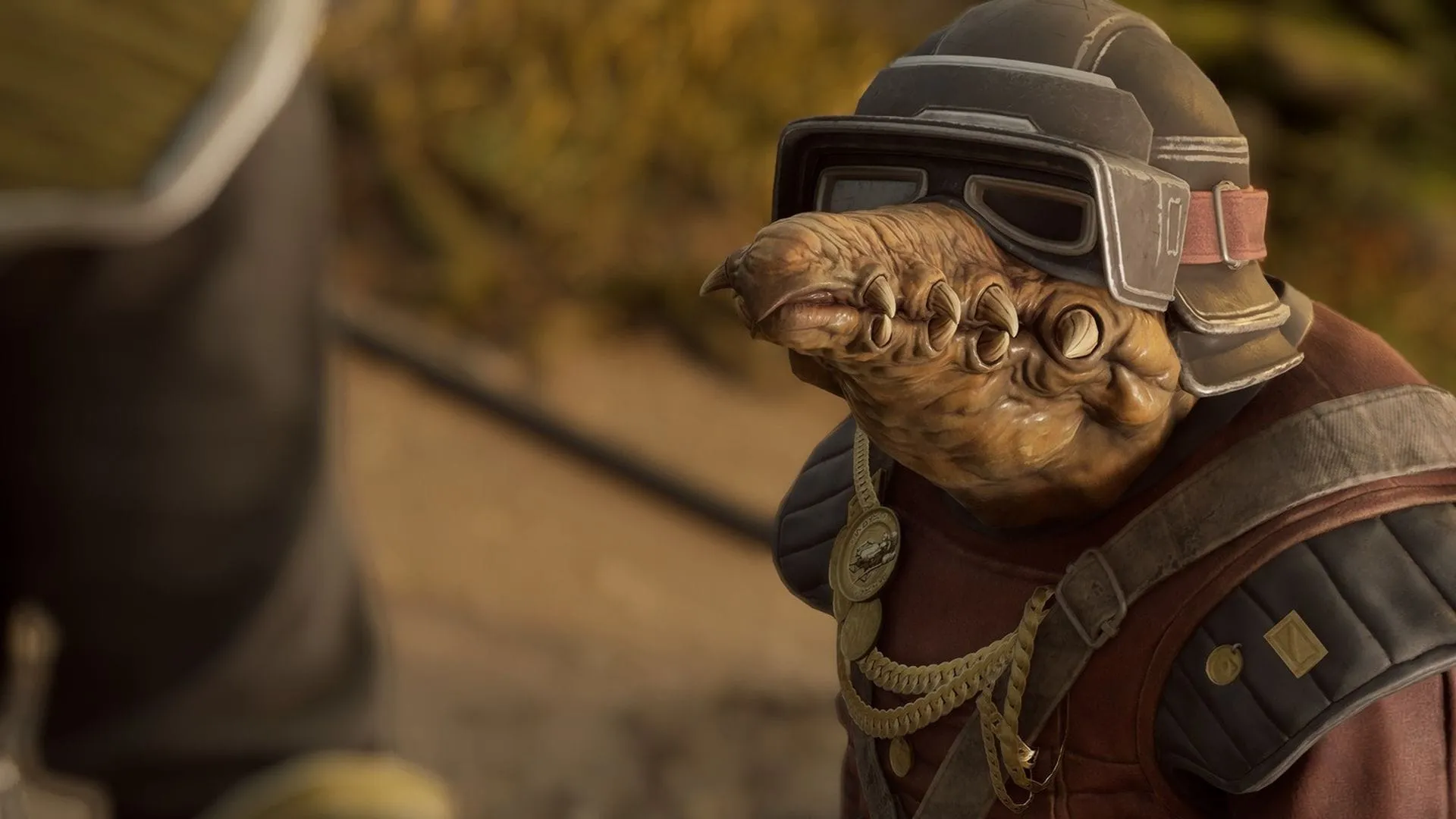
In 2026, the landscape offered some fascinating examples of this creative freedom. Titles like Zero Company, a tactical, XCOM-style game, and Galactic Racer, an arcade racer infused with Star Wars flair, demonstrated that creative depth doesn’t require a massive budget. These hits were the result of independent studios, such as Bit Reactor and Fuse Games, proving that smaller teams can deliver experiences that resonate deeply with fans of the galaxy far, far away.
This shift in philosophy reflects a significant evolution in how Lucasfilm and Disney are approaching the gaming portfolio. Douglas Reilly, Vice President at Lucasfilm Games, has articulated a new strategy: finding partners who can bring the Star Wars experience to life, regardless of whether they are triple-A behemoths. The goal is no longer solely about massive blockbusters, but about delivering diverse storytelling opportunities across various genres.
This approach signaled a major realignment for the franchise. After acquiring Lucasfilm in 2012, Disney initially shuttered the games division. However, they eventually entered a ten-year deal with Electronic Arts, granting exclusive rights to develop Star Wars games. While high-profile titles like Star Wars Outlaws were announced, the performance didn’t exactly set the world on fire.
The turning point came in 2021 when Disney resurrected Lucasfilm Games as the official home for all Star Wars titles. This move provided the necessary flexibility, allowing the company to actively explore pitches from a wide range of studios. The new mandate is clear: a high-quality bar remains essential, but it is now coupled with an openness to innovative, smaller-scale partnerships.
This dedication to diverse talent is already visible in the ongoing pipeline of Star Wars games. While familiar titles continue to evolve—such as the ongoing development of the Star Wars Jedi game and the struggles surrounding Star Wars: Eclipse—new creative avenues are constantly being explored. Titles like the anticipated Star Wars: Fate of the Old Republic continue to build on beloved lore, while the legacy of the KOTOR remake proves that passion can resurrect even older classics.
The future of Star Wars gaming appears to be less about monolithic releases and more about a mosaic of experiences. By prioritizing creative partnerships and embracing diverse genres, Disney is setting a precedent that allows the Star Wars universe to continue telling its epic stories in ways that are fresh, engaging, and truly expansive.
Buy on Amazon
Credit
