M365 companion apps retiring after one year
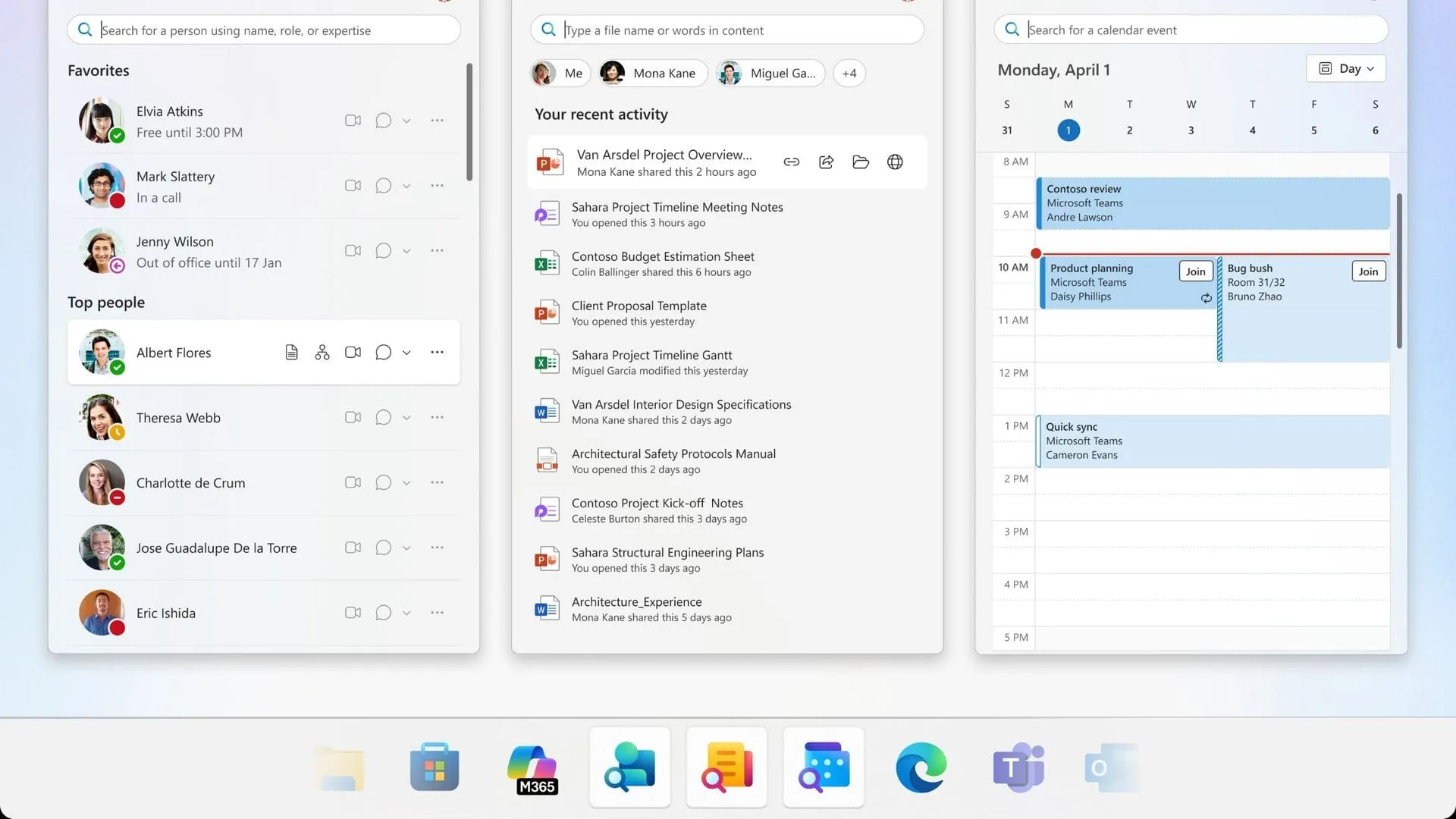
Microsoft is tidying up its digital workspace, signaling a significant shift in how users interact with Windows 11 and Microsoft 365. Before the end of the year, the company plans to retire three long-standing companion applications that integrated directly into the Windows 11 taskbar.
These apps, Calendar, People, and Files, were designed to be productivity boosters, offering quick access to essential information like scheduling, contacts, and document storage, all powered by Microsoft Graph. They were positioned as a seamless way to enhance workflow by bringing key data right to the user.
But as these applications approach retirement, the narrative around their purpose is evolving. When they were first introduced, Microsoft highlighted how these companions enhanced productivity by providing quick access to people, files, and calendar data. Now, as the removal date approaches, the focus is shifting to a simpler, more integrated experience.
The core change lies in the distinction between enhancing productivity and simply locating information. While the former was the original promise, the current context suggests the apps have devolved into another layer of access, leading Microsoft to streamline the system.
It is important to understand that removing these companion apps does not erase any existing data or capabilities. Microsoft assures users that the information remains accessible; existing Microsoft 365 and Windows experiences are still fully capable of providing the same insights.
So, what does this mean for users? Microsoft recommends leaning into the robust ecosystem already available. Instead of relying on the companion apps, users can continue finding and managing their information by utilizing the full suite of tools, including Outlook, Teams, Windows Search, File Explorer, SharePoint, OneDrive, Word, Excel, and PowerPoint.
These three companion apps are slated to stop functioning on or before December 16, 2026. This gives users ample time to transition their workflow, ensuring that the convenience of access remains, even if the interface changes. The move signals a commitment to an integrated environment, where the power of the data is found within the established tools, rather than relying on separate companion applications.
Buy on Amazon
Credit