Mac-made Windows Insider wallpapers
The Mac Magic Behind Microsoft’s Windows Wallpapers
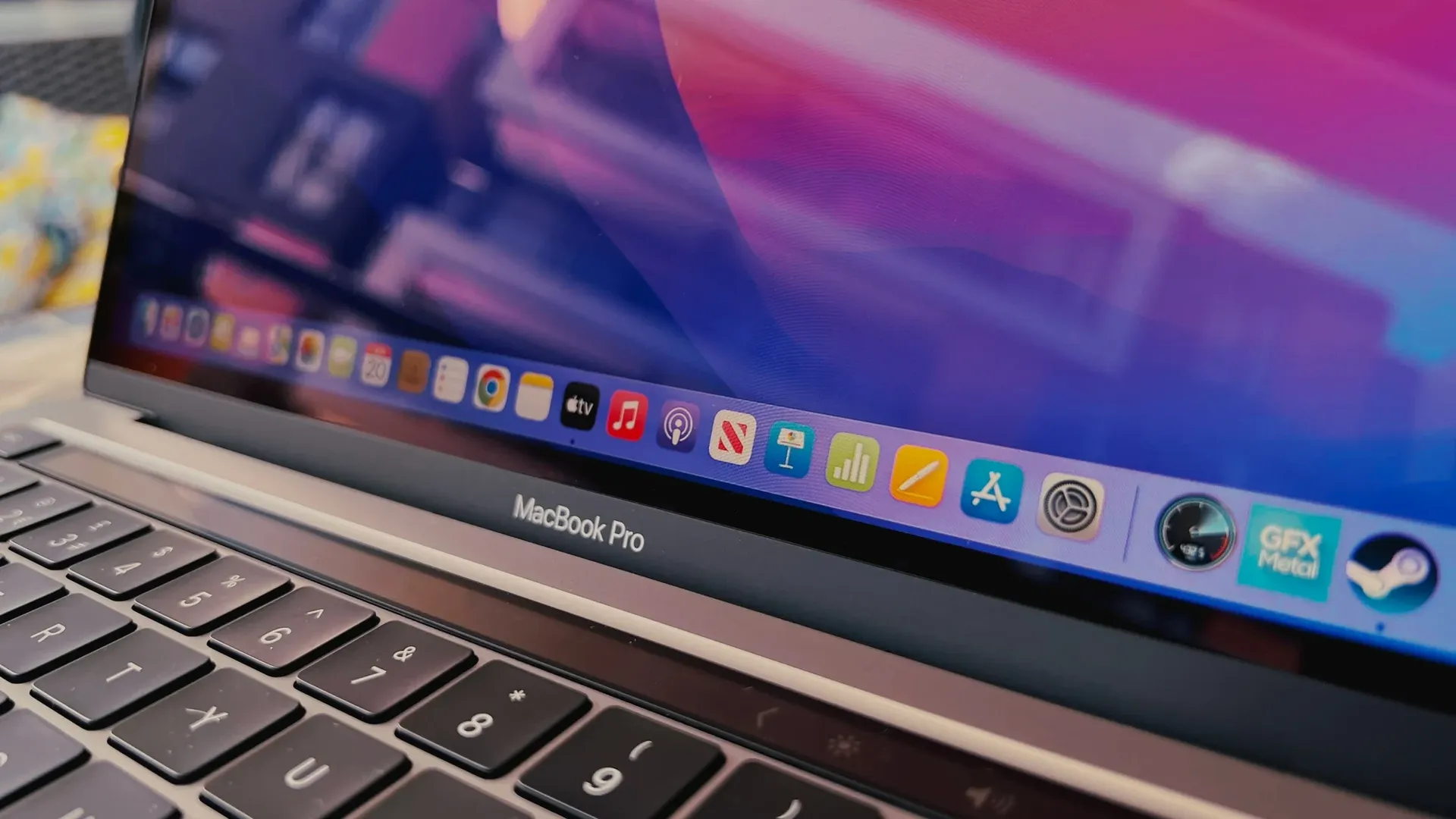
When Microsoft recently marked twelve years of the Windows Insider Program, they shared a collection of stunning wallpapers to celebrate the milestone. But behind the polished digital scenery lies a subtle, yet curious, piece of design history: the images weren’t born on a Surface Laptop or any Windows 11 device. Instead, the creative team used a Mac.
A closer look at the files revealed the source of the visuals was the Mac version of Adobe Photoshop. This seemingly minor detail has sparked a little debate, raising the gentle question of whether even a giant like Microsoft prefers the Apple ecosystem for their creative work.
The image creation was handled by Microsoft’s in-house design team. While this internal process naturally avoids external contracted companies, the fact that the team utilized macOS tools inevitably leads to amusing speculation—jokes like “even Microsoft staff prefer Mac.”
But is this truly a big deal? In a tech landscape constantly focused on seamless integration, the choice of software is often about workflow efficiency rather than brand loyalty. It is perfectly reasonable for a massive organization like Microsoft to utilize tools developed by other companies. Creative professionals need the best tools for the job, regardless of the operating system they are currently running.
The reality of cross-platform creativity is far more flexible than the speculation might suggest. Adobe Photoshop runs smoothly on Windows, and increasingly, on Arm architecture. This means that the team didn’t need to be locked into a single operating system to produce exceptional results.
Microsoft’s current push is focused on positioning Windows 11 as a genuine selling point for new PC purchases. For a company centered on hardware and software, the best outcome is surely embracing the most powerful and adaptable tools available to its designers.
Rather than insisting on a specific hardware lineup, a more practical approach might involve exploring partnerships. For instance, instead of mandating a specific brand, Microsoft could look to hardware innovators like ASUS, whose ProArt P16 laptops are already lauded as outstanding tools for creativity.
Ultimately, the story of these wallpapers is a reminder that innovation thrives when boundaries are dissolved. Whether a design is created on a Mac, a Windows machine, or another platform, the result is art. The focus should remain on the quality of the design and the efficiency of the workflow, proving that creativity knows no operating system.
Buy on Amazon
Credit
