Mac mini 2026: Powerful but overpriced
The Cost of Innovation: How the Mac Mini is Navigating the AI Economy
Nearly two years ago, the Apple Mac mini was considered a sweet entry point into the Mac desktop ecosystem. Today, however, navigating the waters of premium computing is proving to be an expensive journey. As the industry shifts toward the artificial intelligence revolution, hardware costs have soared, and the Mac mini is no exception, reflecting the voracious demand for cutting-edge components.
The timeline of innovation is clear: the last Mac mini featuring an M4 processor went on sale in November 2024, starting at $599. Now, the latest generation, featuring the powerful M6 chip, begins at $899. This $300 price hike in less than two years is significant, but it’s a necessary reality to consider when evaluating any new piece of technology.
This jump is largely attributed to the rising costs of components—the very elements that fuel the AI boom. While the price increase is noticeable, it serves as a reminder that performance and cutting-edge hardware now come with a significant premium.
A Familiar Form Factor, Elevated
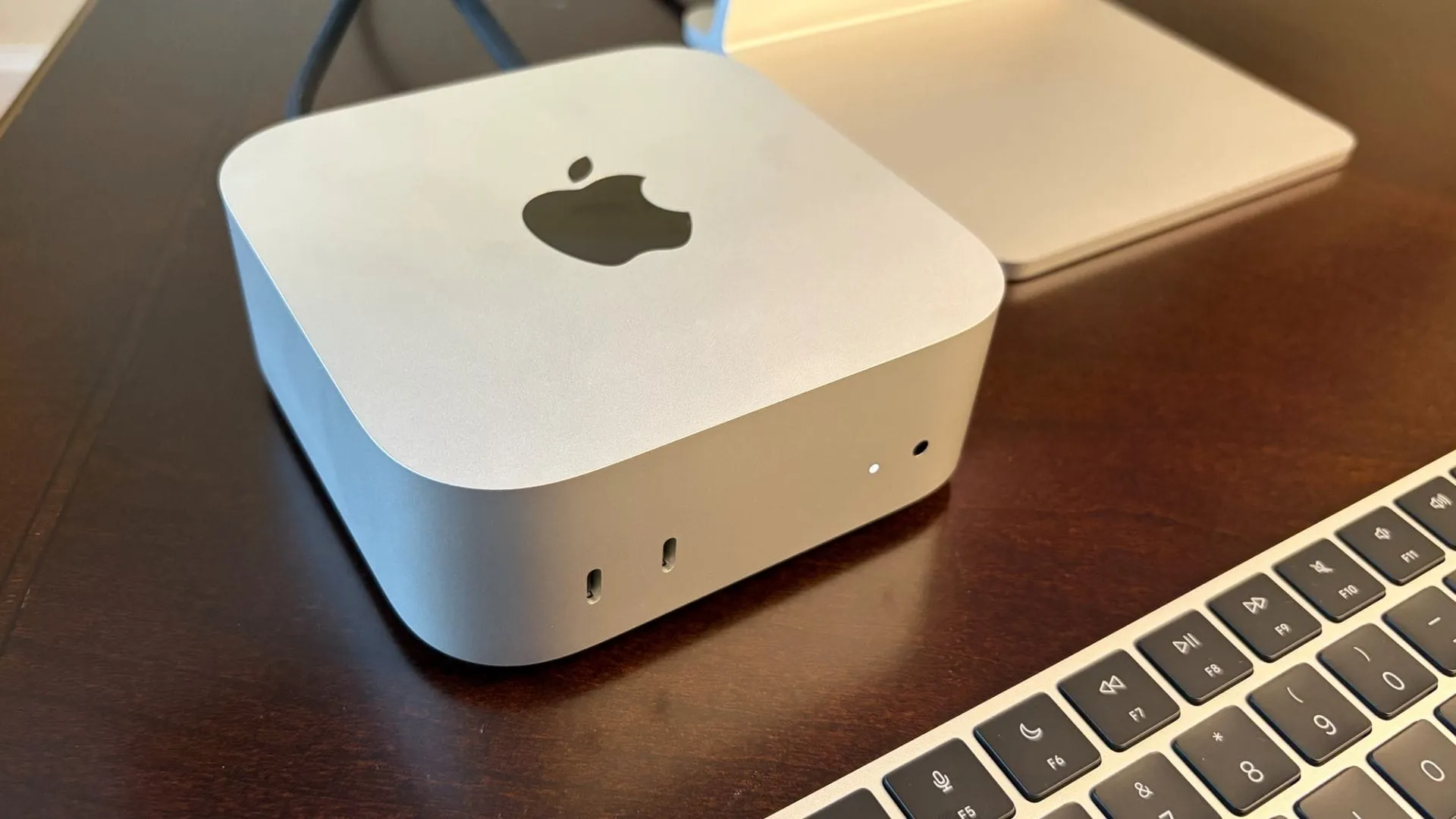
Despite the price escalation, the Mac mini retains its signature aesthetic. It remains a masterclass in minimalist design, boasting a compact 5-inch by 5-inch footprint and standing just two inches tall. This design consistency is a definite win for users, offering a small footprint without sacrificing power.
While the exterior design is refreshingly familiar, the internal engine has been completely upgraded. The new generation delivers substantial performance improvements, proving that even a small machine can host major advancements.
The M6 Performance Leap
Under the hood, the transition to the M6 chip brings serious muscle. Benchmarks reveal that the M6 processor excels, showing performance gains over its predecessors. It managed to surpass the performance of the previous M4 Pro Mac mini in single-core tests, demonstrating a significant architectural advantage.
Beyond raw CPU speed, the M6 excels in processing tasks. In real-world scenarios, like video transcoding, the new chip shaves considerable time off complex operations, making demanding workflows smoother and more efficient. This generational improvement underscores Apple’s continued commitment to pushing the boundaries of silicon design.
Future-Proofed Connectivity
The upgrade isn’t just about processing power; it’s about future-proofing. The new Mac mini integrates Apple’s in-house N1 wireless chip, providing support for Wi-Fi 7 and Bluetooth 6.0. This leap in wireless technology ensures that the device is ready for the demands of the next generation of high-speed networking.
Connectivity remains practical, offering two USB-C ports (10 Gbps) and three Thunderbolt 4 ports on the back. While legacy USB-A ports are absent, the inclusion of high-speed Thunderbolt and the Wi-Fi 7 standard sets a new benchmark for peripheral connectivity.
The Bottom Line
Ultimately, the story of the Mac mini reflects a broader trend in technology: the pursuit of incredible performance is increasingly tied to escalating costs. While the M6 chip and enhanced connectivity offer compelling advantages, consumers must weigh these advancements against the rising price tag. The Mac mini remains a powerful machine, but its entry point into the high-end computing space is now decidedly more expensive.
For those looking for a streamlined desktop experience, the Mac mini continues to deliver quality. However, the evolving economic landscape demands that we appreciate both the groundbreaking technology being introduced and the reality of its cost.
Buy on Amazon
Credit
