macOS on Snapdragon X2 Elite via Hackintosh
The Quest for Silicon Freedom: Bringing macOS to the Non-Apple World
For years, the dream of running macOS on hardware outside of Apple’s ecosystem has persisted in the realm of the Hackintosh community. It’s a quest born from a desire for customization and the ability to run powerful operating systems on more accessible hardware.
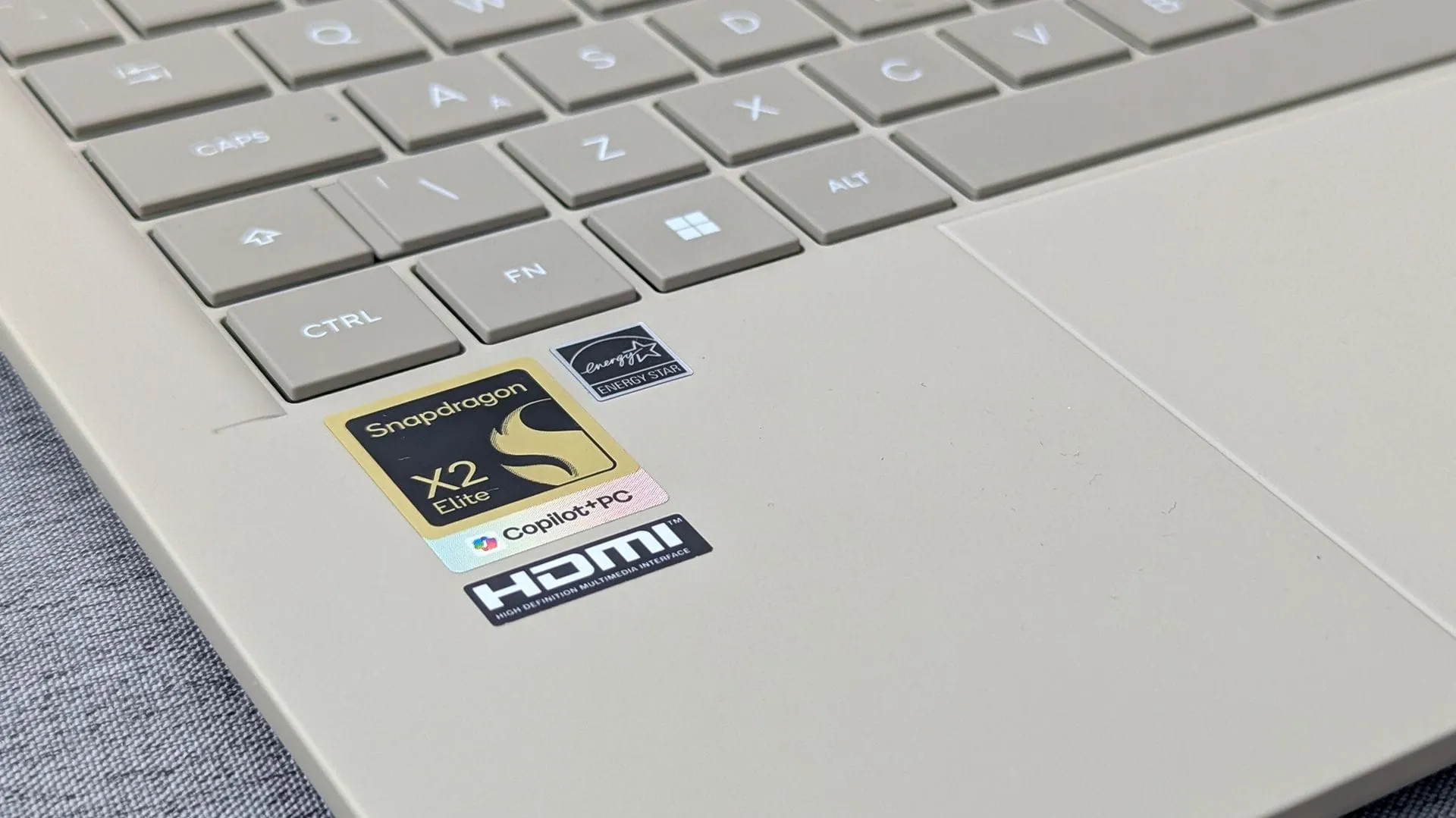
Recently, an engineer named Miguel C. has stepped into this fascinating challenge with a new initiative called Snapintosh. This project seeks to resurrect the spirit of the Hackintosh by adapting macOS to run on cutting-edge processors from other manufacturers, most notably Qualcomm’s Snapdragon X2 Elite chip.
The current progress is already impressive. Miguel C. has demonstrated that this vision is tangible by successfully running macOS 27 on an ASUS Zenbook A16. This setup manages to leverage GPU acceleration and rendering capabilities, proving that running the Apple operating system on non-Apple hardware is technically feasible.
However, the journey from concept to polished reality is proving to be an engineering marathon. While the system can boot the macOS desktop and handle visual rendering, the interaction with the interface is currently described as “usable but not yet smooth.” This highlights the significant hurdles that remain in achieving a truly seamless experience.
The existence of Snapintosh is a powerful reminder that the boundaries of operating system compatibility are constantly being pushed. Even as Apple focuses intensely on its own custom silicon, engineers continue to explore innovative ways to push the limits of what hardware can achieve.
The potential lies in exploring alternative silicon. While the current focus is on the Snapdragon X2 Elite, the long-term goal is to refine the experience and potentially run macOS on a wider range of non-Apple hardware. This approach allows for exploring better value and accessing diverse computing options.
Although the general consensus remains that Apple’s M-series chips offer the optimal performance currently available, the engineering achievement of Snapintosh is undeniable. It serves as an intriguing feat, celebrating the enduring spirit of customizing computing and demonstrating that the possibilities for operating system freedom are still wide open.
Buy on Amazon
Credit