Make this DIY controller in 6 hours for less than $12
For those of us steeped in the world of gaming, the controller is more than just a peripheral; it’s an extension of our play. In the era of high-fidelity gaming, we expect premium experiences, but the real question facing budget-conscious gamers is: how cheap is too cheap?
While the market offers solid options, like the GameSir Nova Lite for under $30, a more radical approach exists. If you want to venture into the realm of true budget engineering, you can create your own setup for a fraction of the cost.
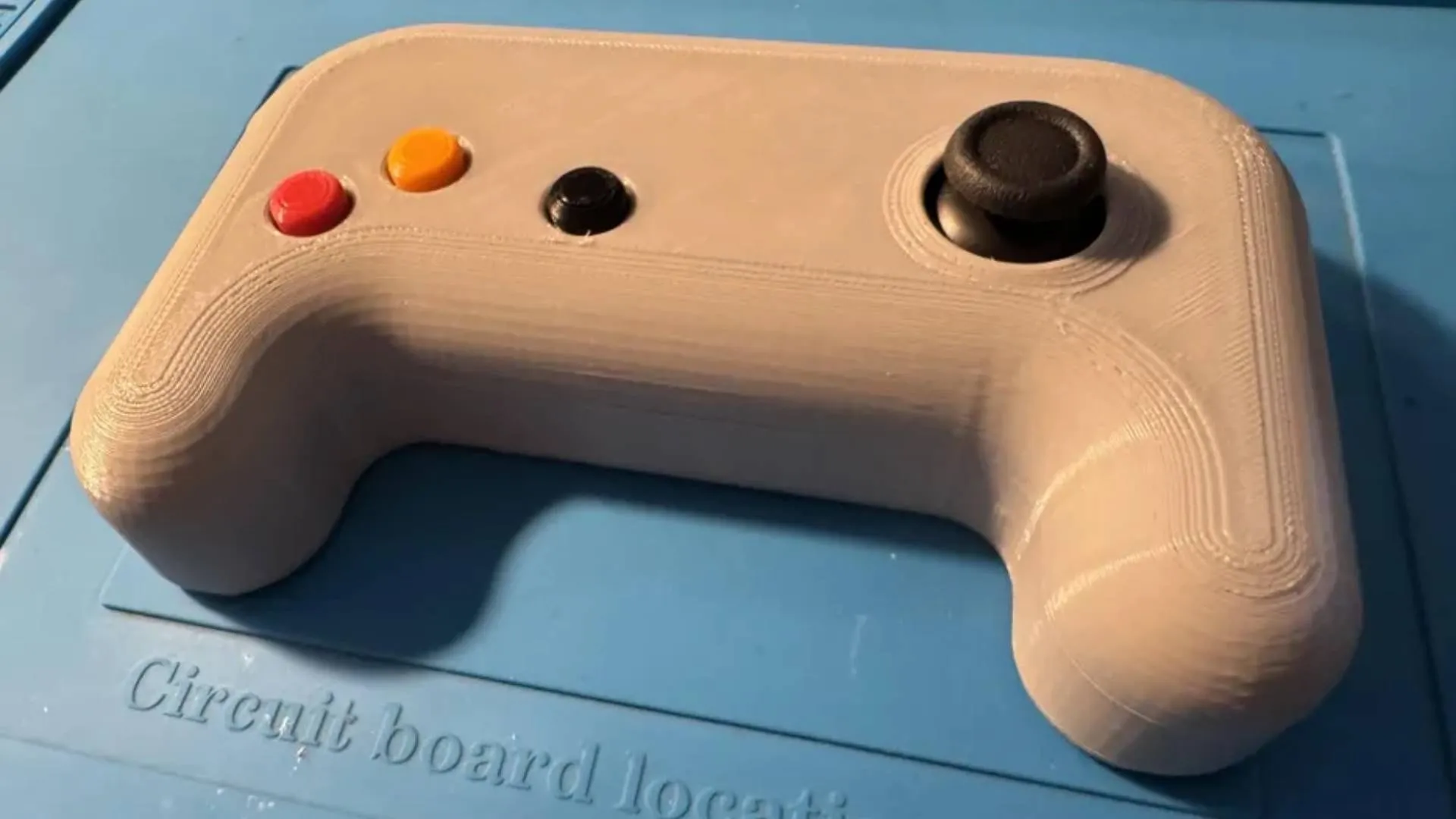
One such project is the Undercooked V0.4, a simplified gamepad built from scratch in about six hours for roughly $11.22. This minimalist approach prioritizes function and accessibility over flashy features.
The design philosophy is pure minimalism. Instead of complex layouts, the controller focuses on essential inputs. It features only a single analogue stick, basic ‘X’ and ‘A’ inputs, a menu button, and the ‘B’ button has been cleverly placed on the controller’s right shoulder, eliminating the need for a traditional D-pad or a full array of face buttons.
This simplified design is the result of a goal to make electronics accessible. The creator emphasized that the aim was to provide components that could be sourced easily, even in smaller electronics shops. To achieve this, the project bypasses complex circuitry, opting instead for a simple setup using an RP2040-Zero microcontroller on a protoboard, rather than a full printed circuit board.
The physical construction adds another layer of DIY charm. The shell is crafted from 150 grams of 3D printed filament, secured with heat-set threaded inserts, giving the resulting controller a sturdy, rugged feel. This build choice ensures the device can withstand a bit of rough handling.
However, the pursuit of low cost and novelty comes with design trade-offs. While the robust shell is great for durability, the 3D printed ridges may not offer the ultimate comfort for extended use. Users looking to maximize their comfort might consider sanding the outer parts before assembly, though the flat back surface remains a point of note.
Ultimately, whether you end up using the finished piece or not, the experience of building a functional, simple controller from basic components is a rewarding journey for anyone interested in the intersection of electronics and creativity.
Buy on Amazon
Credit
