Malaysia seizes $12M AI chips hidden in 30 servers
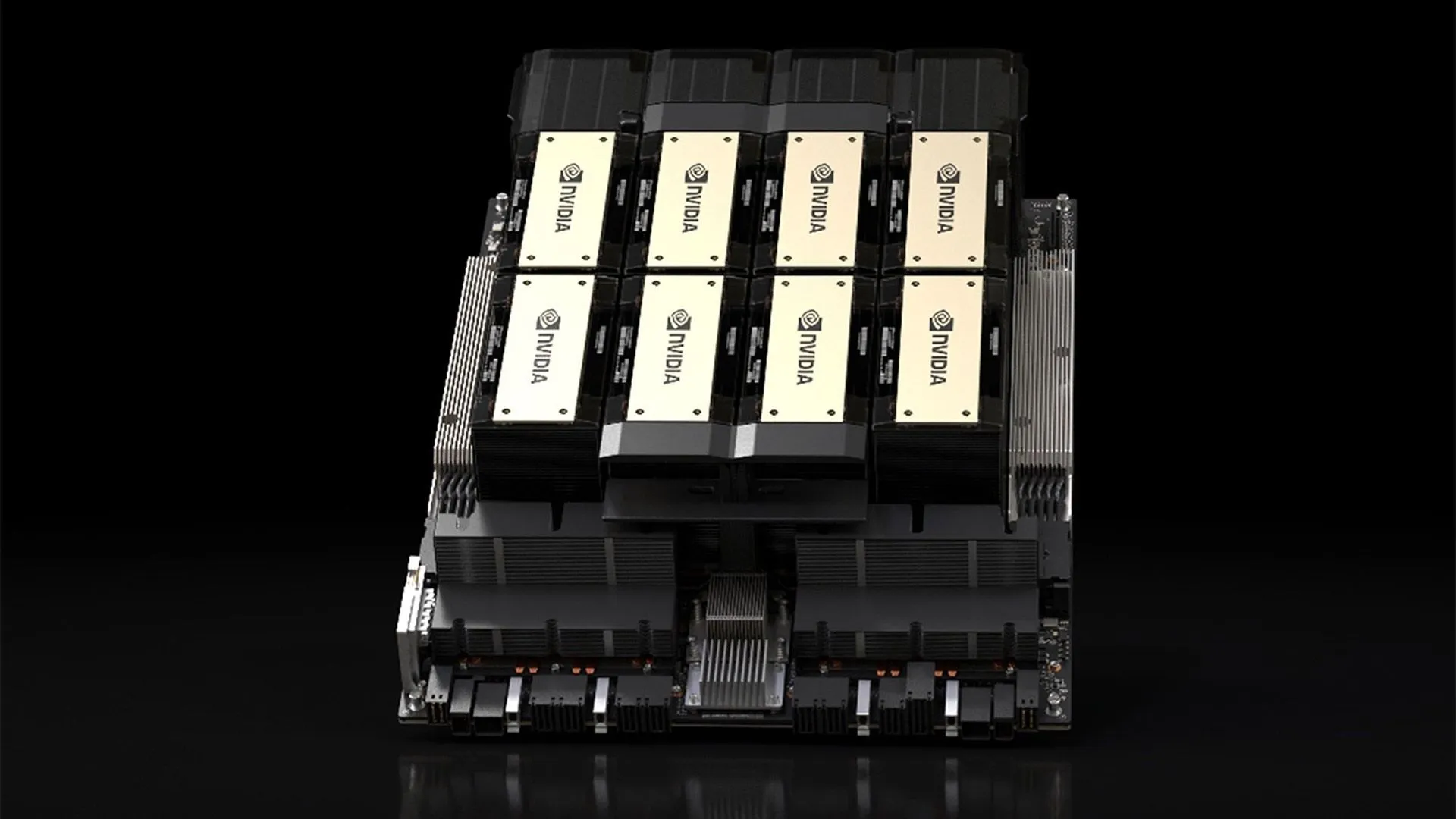
In a major move to curb the flow of high-tech contraband, Malaysian customs officials recently executed a massive bust, seizing over $12 million worth of advanced AI chips. This operation signals a serious crackdown on a suspected semiconductor smuggling syndicate operating within the nation’s free trade zones.
The haul was discovered on October 15th at Kuala Lumpur International Airport’s free trade zone, where authorities found 30 servers packed with cutting-edge chips. What made the discovery particularly noteworthy was the alleged deception: the shipment had been falsely declared as ordinary electronic goods, a clever tactic designed to slip past scrutiny.
Customs Director Aspalila Ag Tuah confirmed that the scheme involved using Malaysia as a critical transit point. By masking the high-value shipment as mundane electronics, the syndicate aimed to bypass restrictions on the chips’ onward movement, utilizing Malaysia’s strategic location to move goods between undisclosed Asian destinations.
This wasn’t an isolated incident. Authorities suspect the foiled attempt was orchestrated by the same network responsible for another significant seizure just months earlier, where customs officers discovered 72 server units containing advanced AI chips valued at approximately $13 million.
The sheer scale of the operation underscores the organized nature of the smuggling ring, which has implicated at least five separate cases and accumulated seizures worth over $25 million across various operations.
The stakes of this operation are inextricably linked to the global race for artificial intelligence hardware. The focus now turns to the mystery surrounding the chips themselves: the exact type of hardware, the country of manufacture, and the ultimate destination—whether it was destined for a corporation or a military entity.
Geopolitical tensions are clearly driving this illicit trade. While Malaysia’s position in international trade is important, its geography and mature logistics make it an attractive hub for moving sensitive technology. This tension is heightened by international export controls, particularly those placed on advanced chips by the United States, which are now being actively monitored by nations like Malaysia, Singapore, and Taiwan.
The ongoing investigation seeks to untangle the complex web of international trade, revealing how high-demand AI components are moving across borders, often circumventing legal frameworks. As authorities continue their probing, the case serves as a stark reminder of the challenges in regulating the global flow of advanced technology.
Credit
