Man wins religious exemption against mandatory AI use
The Right to Think: How One Humanist Fought to Exempt Himself from Using AI
In an era defined by the rapid ascent of artificial intelligence, some are embracing the tools, while others are drawing firm ethical lines. For David Durman, a research administrator at the University of Kentucky, the line became a deeply personal philosophical battle. Durman successfully argued that the use of AI technology fundamentally conflicted with his deeply held beliefs as a humanist, leading him to secure a religious accommodation from his employer not to use the technology.
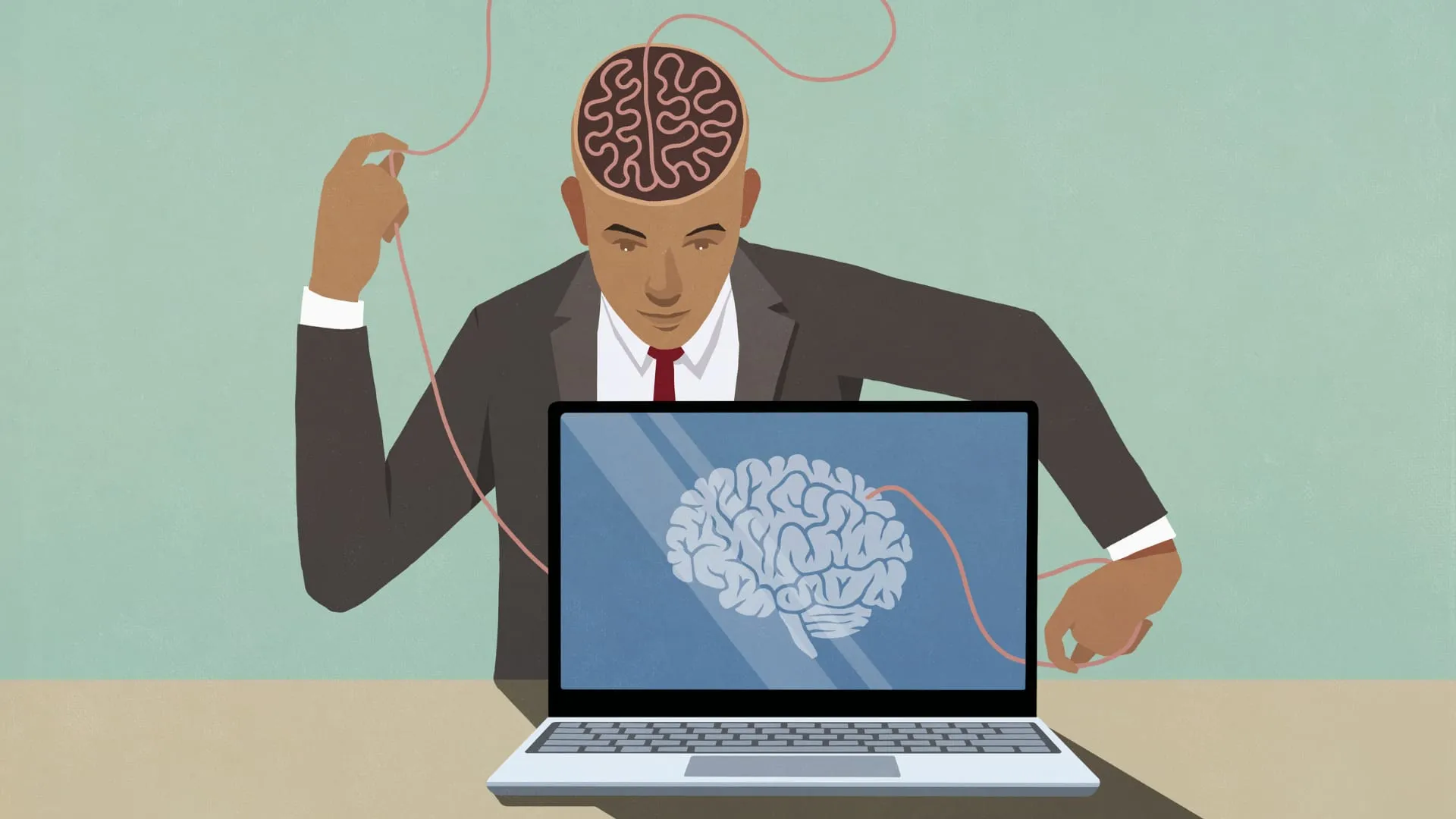
At the heart of Durman’s objection was a concern about moral agency. He believed that the process of thinking through ethical situations, handling responsibilities, and developing moral character is essential to personal development. When asked to offload this cognitive labor to tools like ChatGPT and Microsoft Copilot, Durman felt his ability to be a moral actor was being undercut. He argued that outsourcing this essential labor was detrimental to personal growth and moral responsibility.
This was not merely a preference; Durman framed his position within a spiritual context. He successfully leveraged Title VII of the Civil Rights Act of 1964, which prohibits employment discrimination based on religion. The legal path required establishing that humanism, though often viewed as a secular philosophy, qualifies as a religion, a determination federal courts have acknowledged.
Assisting Durman in his quest for accommodation was the American Humanist Association (AHA). Their staff attorney, Alexandria Huiskens, noted that this request is a pioneering effort for humanism generally, granting exemptions to those who view AI use as an infringement on their freedom of conscience. She highlighted that humanism, built on inherent worth and dignity, deserves the same latitude to be practiced in the workplace as other faiths.
While the legal framework allows for such exemptions, it also stipulates that the request must not place an undue hardship on the employer’s business. This means that while Durman was relieved of the requirement to use AI for his core tasks, he remained expected to collaborate with colleagues or submit materials as needed, balancing personal conviction with professional necessity.
The debate over AI integration extends far beyond individual ethics and into the corporate landscape. While proponents herald AI as a massive driver of productivity, reports suggest that outside of Big Tech, corporate America is currently failing to see significant financial returns from these investments. Despite this, the reality is that AI is rapidly reshaping the job market. Reports indicate that half of all U.S. employees now utilize AI at work, and nearly all CEOs expect AI-driven layoffs as companies race to optimize their labor forces.
As the technological tide continues to rise, stories like Durman’s remind us that innovation must be tempered by human values. His experience underscores a vital question for the modern workplace: As technology promises unprecedented efficiency, how do we ensure that our pursuit of progress does not sacrifice the essential, deeply human processes that define our ethics and our capacity for moral decision-making?
Buy on Amazon
Credit
