Mark Darrah calls Dragon Age games ‘filler’
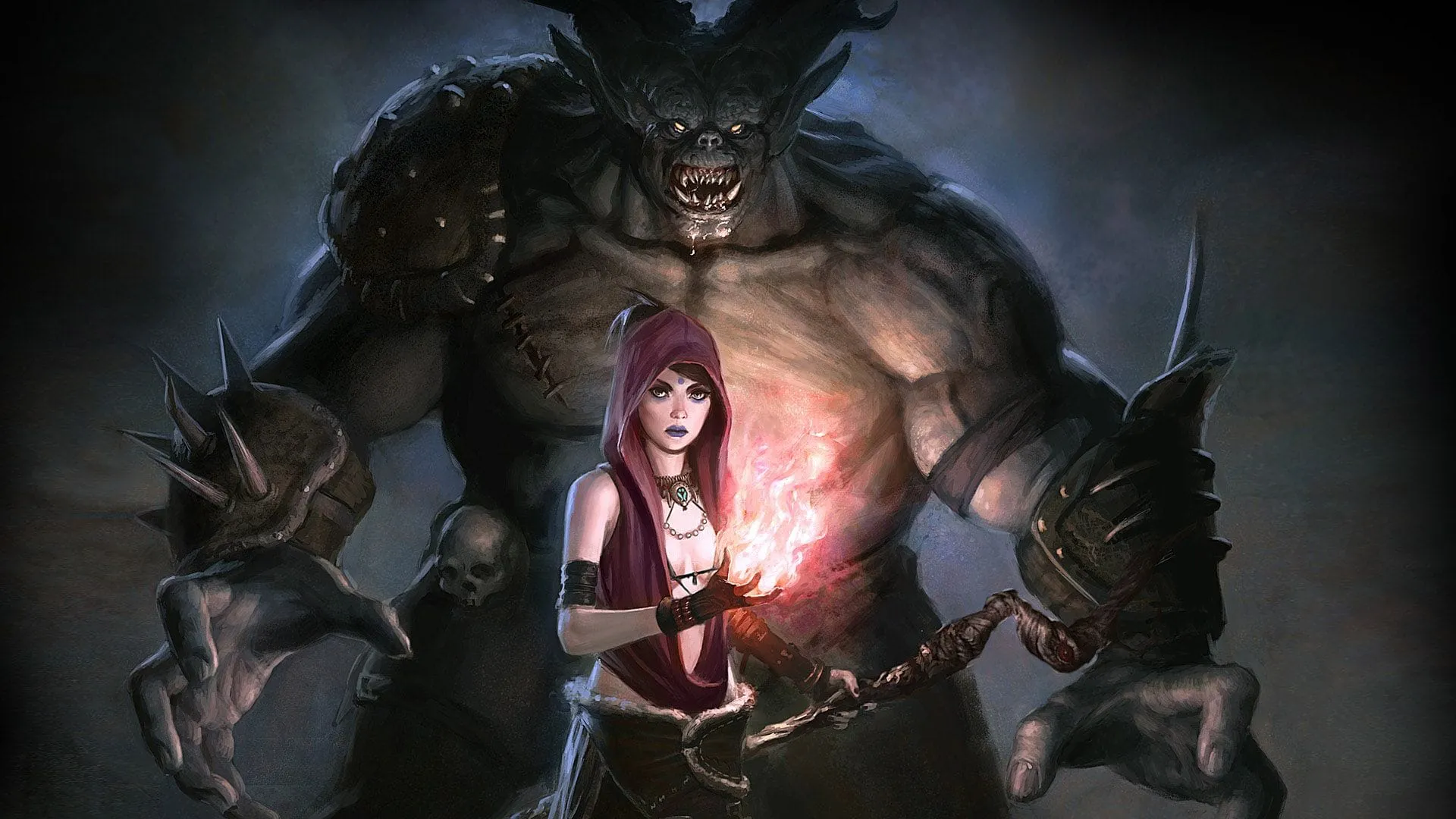
The world of Dragon Age is a sprawling tapestry of political intrigue, deep lore, and unforgettable character moments. But what if a master designer could step back into the timeline and fine-tune the experience? Streamer and content creator Mark Darrah recently put on his theory hat and posed a fascinating hypothetical question: If he could go back and change one thing in each Dragon Age game, what would he remove and what would he add?
Darrah’s suggestions reveal a deep appreciation for classic game design, focusing heavily on trimming unnecessary filler and improving pacing. In Dragon Age: Origins, his focus was on the narrative sequences. He suggested cutting or dramatically reducing the dream sequence portion of the Mage Tower, labeling it as filler that ultimately didn’t deliver significant content. For additions, he advocated for another human origin, though acknowledging the complexity of such a change.
Moving onto Dragon Age II, Darrah targeted mechanical frustrations. He pointed out the system where players were forced into combat against both the Templars and the Mages, regardless of their allegiance. He argued that this forced duality often undermined the narrative cohesion, suggesting that removing this mandatory conflict would allow the story to breathe more naturally.
For gameplay variety and pacing, Darrah also looked to address the economy. In the original, he felt that the amount of gold available during Act Two was mismanaged, as it often encouraged players to simply sidequest rather than fully engage with the main expedition goals. He proposed cutting some of the critical path missions to rebalance the flow of resources.
The open-world experience, particularly in Dragon Age: Inquisition, proved to be a hot topic. Darrah noted that the sheer size of the environment, while rewarding, sometimes led to unnecessary bloat. He suggested trimming large areas, like the Hissing Wastes, to enhance the pace. Furthermore, he believed the mechanics related to critical path missions could be streamlined; reducing the amount of Power needed for these missions could dramatically improve the game’s overall flow.
Finally, the journey through Dragon Age: The Veilguard also received a few key tweaks. Darrah championed the addition of the Keep, arguing it was a necessary structural element. While he left the task of removing content open-ended, he expressed strong satisfaction with the game’s conclusion, acknowledging its status as an excellent, albeit dramatic, suicide mission.
Darrah’s hypothetical changes serve as a compelling reminder that even in meticulously crafted fantasy worlds, the art of editing and pacing is just as crucial as the art of creation. It’s a conversation that reminds us that the best games often come down to thoughtful refinement.
Credit
