Mass Effect Amazon series continues after BioWare shutdown
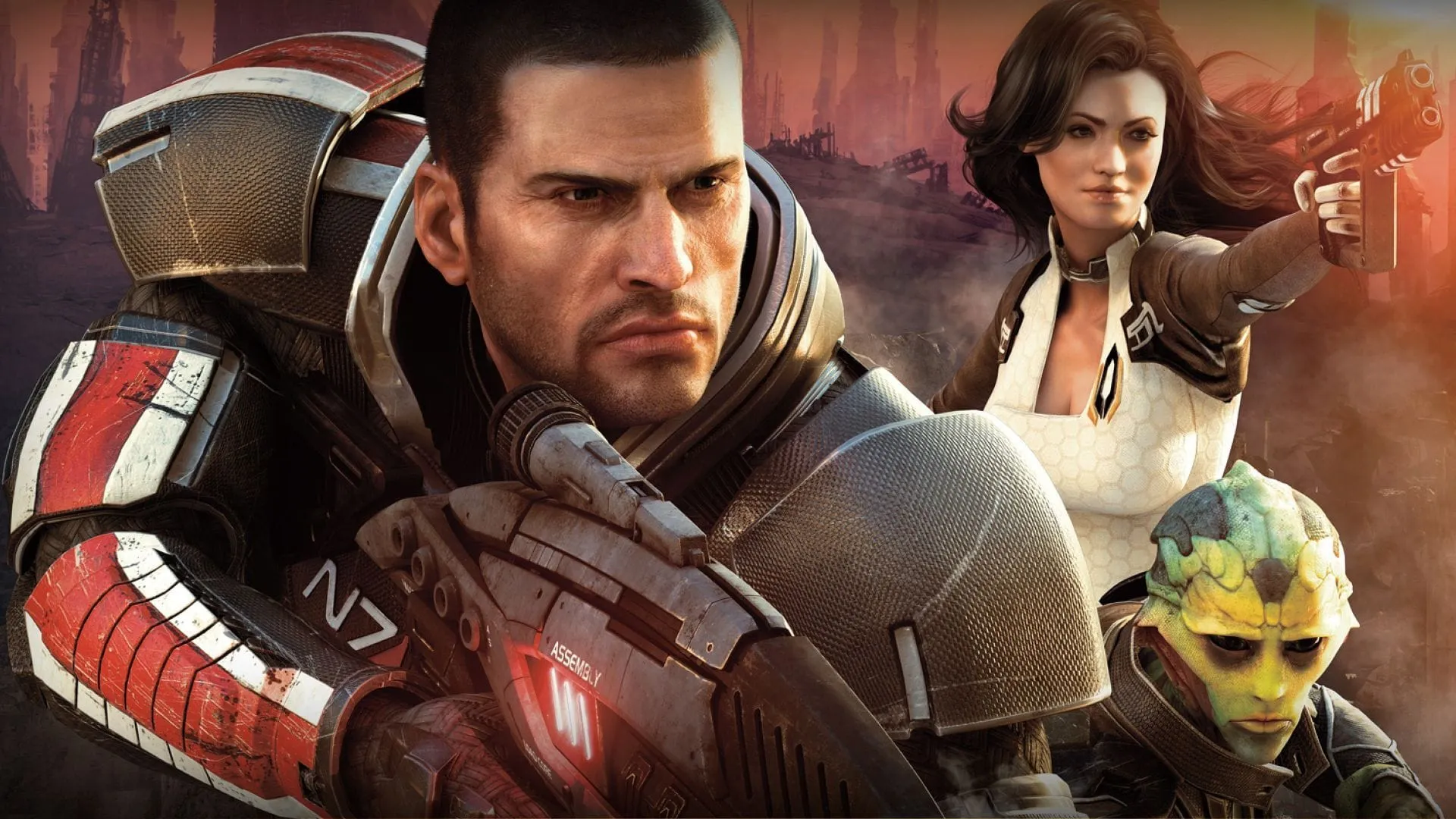
The Bitter Aftertaste: How BioWare’s Decline Shaped a Gaming Empire
The gaming world has just witnessed a seismic shift: the legendary developer studio BioWare has shut down its doors. This news sends a ripple through the industry, particularly concerning massive Intellectual Properties (IPs) that rely on deep, narrative-driven experiences. While the fate of the Mass Effect franchise—owned by Electronic Arts—remains tethered to its parent company, the cancellation of the next Mass Effect game signals a sobering reality for fans hoping for more sprawling space opera adventures.
But the story of BioWare’s closure is more than just a cancelled title; it’s a profound reflection on the relationship between publishers and the creators they seek to acquire. It brings into sharp focus the bittersweet dynamic of a beloved series arriving after the studio responsible for its creation has faded into history. It reminds us that even colossal franchises are ultimately dependent on the health of the teams that bring them to life.
The irony is palpable when considering how Electronic Arts has managed the studio. BioWare was a powerhouse, known for crafting some of the most compelling and enduring role-playing games in history. Yet, the trajectory of the studio suggests a different kind of management philosophy—one that prioritized financial gains over nurturing creative talent. Many observers suggest that the studio’s fate reflects a broader trend in the industry, where mega-corporations view successful game developers less as creative partners and more as assets to be mined for profit.
This tension is evident across other projects. The development cycles for titles like Anthem, which faced significant turbulence, and Dragon Age: The Veilguard, which navigated the choppy waters of live service development, offer compelling case studies. These projects underscore the difficulty of translating a singular vision into a profitable, sustainable product when the underlying institutional support is lacking. Some voices within the development community have suggested that the challenges faced by BioWare were symptomatic of a larger issue: how big publishers manage the ecosystems they control.
The current situation with Mass Effect and the move to streaming services, such as Prime Video, becomes the final chapter in this unfolding narrative. While the franchise continues through adaptations, the focus shifts from constant game development to leveraging existing assets. It becomes a final wringing out of profitability before the ultimate conclusion is drawn.
Ultimately, BioWare’s legacy—the rich tapestry of worlds and characters they created—will endure, inspiring games across the landscape, from The Witcher to the Elder Scrolls. But the narrative surrounding their demise serves as a stark reminder: the true worth of a creative enterprise lies not just in its IP, but in the respect and investment given to the human talent behind it. It is a cautionary tale about the delicate balance between commercial ambition and creative stewardship in the gaming universe.
Buy on Amazon
Credit
