McDonald’s perfect mouse vanished in my city
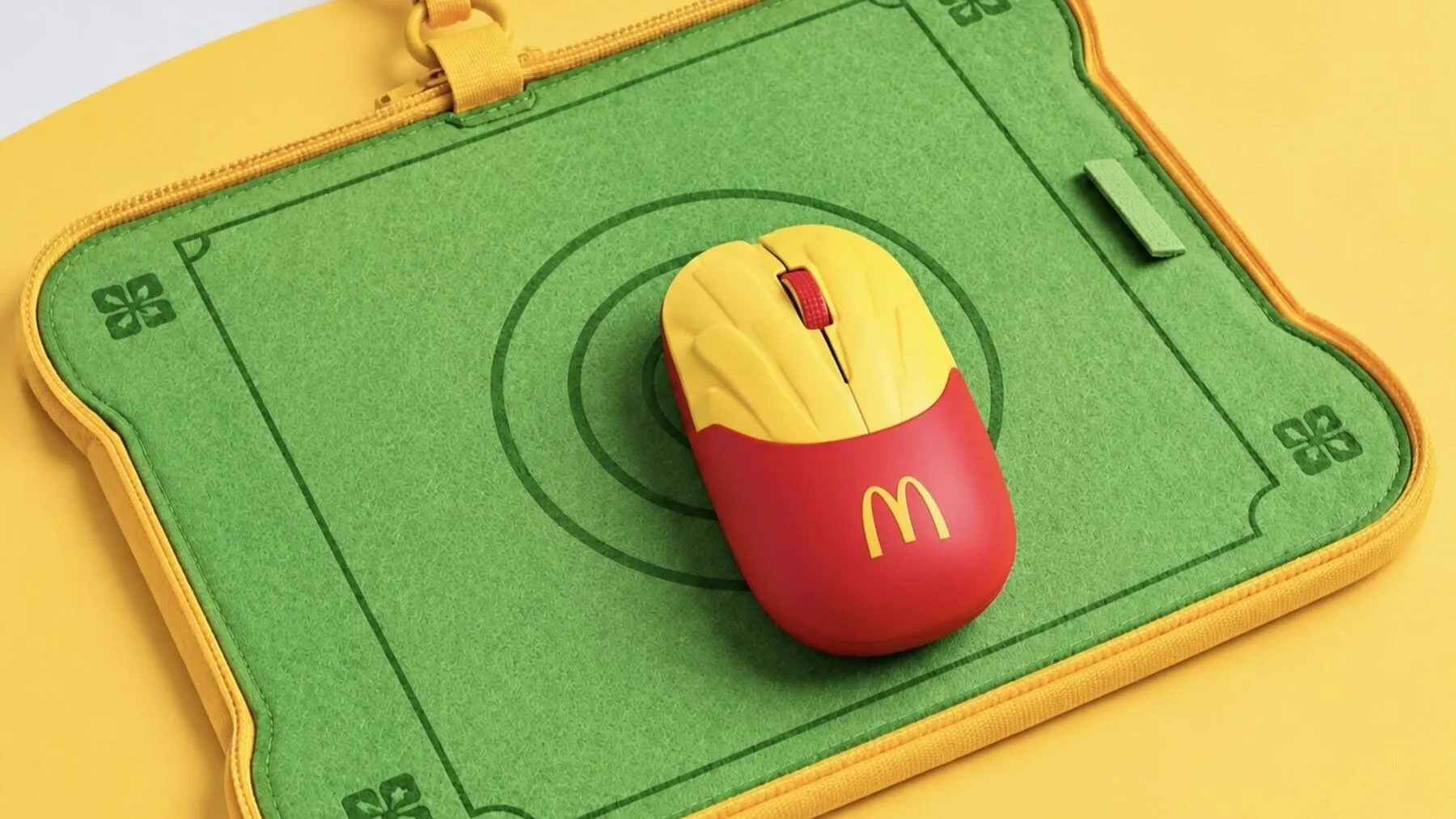
For some of us, the memory of childhood is steeped in the vibrant, slightly grubby plastic of McDonald’s toys. Those little mascots, once companions on vacation lunches, served as simple reminders of quick stops and sweet treats. But while those plastic figures faded with time, the brand itself has continued its evolution, moving far beyond the fast-food counter and into the realm of high-tech accessories.
This transformation is most visible in a surprising collaboration that bridges the gap between fast food and future technology. McDonald’s China embarked on an ambitious project, teaming up with Lenovo to create a unique wireless mouse—a device that perfectly merges the casual dining experience with sophisticated computing.
The result is a truly unconventional piece of tech: a wireless mouse shaped like a carton of McDonald’s fries. While the appearance is undeniably whimsical, the functionality is quite practical. The mouse features standard controls, including two buttons and a scroll wheel, and is conveniently charged via USB-C, aligning with current industry standards.
But the story doesn’t end with the novelty of the design. This accessory is built with a conscience. The mice are crafted using approximately 60% recycled materials, specifically repurposing old Happy Meal toys. This commitment to sustainability transforms discarded plastic into a functional piece of hardware, proving that innovation doesn’t have to come at the expense of the planet.
Adding to the clever design is the packaging. The mouse comes complete with a carrying case that cleverly transforms into a mousepad, offering dual utility in a sleek, usable package.
However, this quirky fusion of food and technology was a limited-edition adventure. McDonald’s released only 4,000 units of these fry mice, which sold out rapidly over a single weekend for around $14. Furthermore, this innovative product was geographically restricted, available only within China.
Despite the global limitations, the concept itself sparks fascinating discussions about branding, nostalgia, and sustainable innovation. It shows how brands can leverage beloved imagery and creative partnerships to launch products that are both highly engaging and environmentally responsible. It turns a simple lunch stop into a conversation about circular design and the unexpected places where new technologies can emerge.
Buy on Amazon
Credit
