Melted RTX 5090 cable PNY refuses to cover
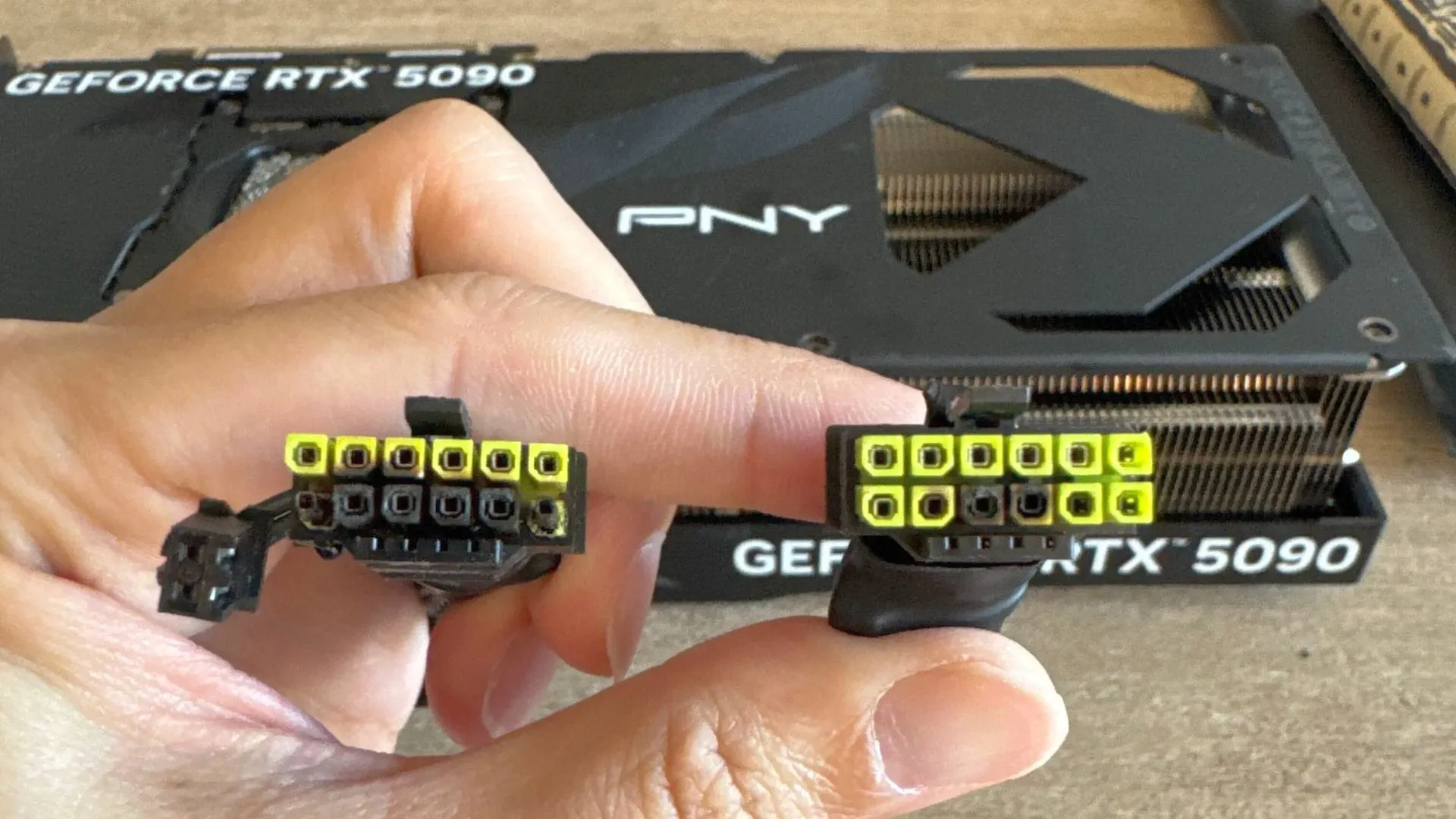
When you invest thousands of dollars in cutting-edge hardware, you naturally expect a robust warranty service. But for some high-end components, the reality can be a frustrating lesson in corporate paperwork and technical loopholes. Recently, a user attempting to return a damaged GeForce RTX 5090 graphics card ran headlong into the cold, hard wall of warranty denial, highlighting the often-opaque world of GPU support.
The situation unfolded when a user attempted to process a Return Merchandise Authorization (RMA) for a card that had suffered damage, specifically melting connectors on the power cable. Despite the component being non-functional, the attempt to secure a refund hit a bureaucratic snag. The graphics card vendor, PNY, denied the claim, forcing the user to confront a highly specific interpretation of what constituted a covered defect.
The core of the dispute centered on the power delivery system, specifically the transition to 12VHPWR or 12V-2×6 connectors. The vendor’s official stance was clear: only a PNY-approved power cable or adapter included in the box is covered under warranty. If a third-party cable or adapter caused damage—such as melting or overheating—the manufacturer refuses responsibility, pushing the blame onto the cable or power supply provider.
This created an immediate technical roadblock. The user argued that they had used the native cable provided by their power supply, suggesting the fault lay upstream. However, the company’s warranty terms were surprisingly vague, focusing narrowly on installation guides rather than the specifics of power cable configuration. This led to a bizarre demand for the user to intuitively know which cables were approved, since no definitive list existed on the manufacturer’s website.
The technical reality is that the dispute extended beyond simple cable use. The user’s power supply itself featured safeguards, like the ASRock’s TempGuard feature, designed to monitor the 12V-2×6 connector for overheating. If the fault was indeed a cable issue, it raised questions about whether the power supply’s safety mechanisms were adequately configured or functioned correctly, adding another layer of complexity to the claim.
Ultimately, the denial felt less about the physical damage and more about corporate policy. Multiple reports from the community suggest a pattern where manufacturers, facing supply shortages and high market prices—where a new RTX 5090 card currently costs at least $4,400 USD—may opt to prioritize selling existing inventory rather than engaging in costly warranty claims. This pattern of denying service over complex technical details is unfortunately not unique to this single incident.
As hardware markets continue to evolve rapidly, consumers need more than just powerful chips; they need transparent, clear, and universally applied warranty policies that acknowledge the complex interplay between various components. This case serves as a reminder that even in the world of high-end PC components, the legal and warranty landscape remains a messy, sometimes infuriating, labyrinth.
Buy on Amazon
Credit
