Memory chips cost more than compute chips per area
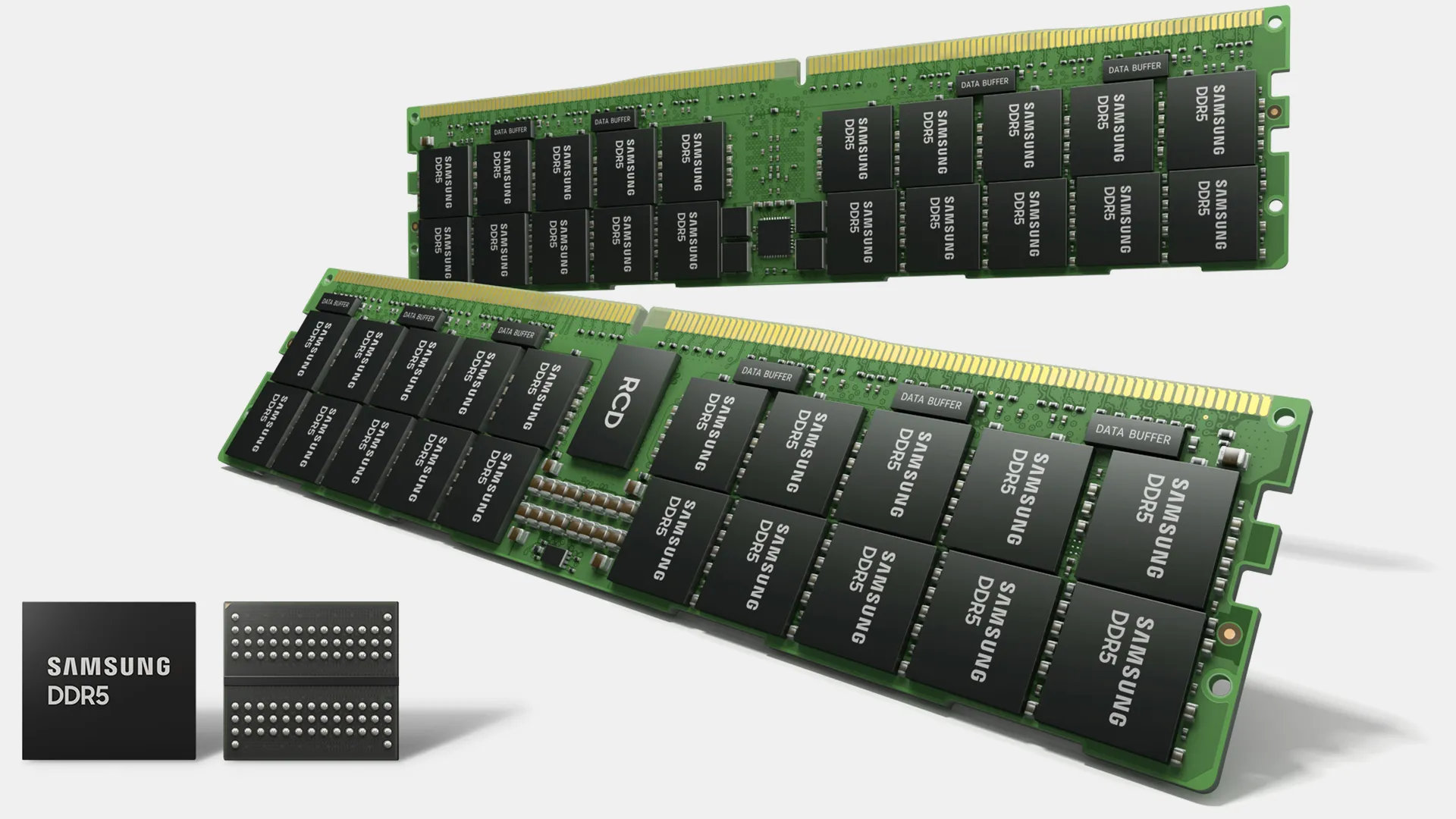
The relentless hunger of the artificial intelligence sector has sent memory prices soaring to unprecedented levels, suggesting that the supply chain is currently running on pure, unadulterated demand. This surge isn’t just market hype; it reflects a fundamental shift in how the digital world operates, where the cost of storing data is now dictating the pace of innovation.
What makes this market particularly fascinating is the deep dive into the manufacturing costs themselves. Analysts are now scrutinizing the price of raw materials and fabrication processes to determine where the real economic advantage lies. Some observations suggest that the cost to manufacture memory chips on a per-area basis can actually surpass the cost of silicon processed using advanced technologies like TSMC‘s N2 and N3, which are essential for creating compute chips.
However, this comparison requires careful calibration. While the nominal sticker price of memory wafers may look high, the true story lies in the complex calculus of density and processing. By looking at the cost per square millimeter of silicon, the picture becomes far more nuanced, illuminating the difference between the price paid for the physical material and the realized revenue potential for the memory maker.
The distinction between logic chips and DRAM is critical. We are comparing the cost of logic fabrication—which involves complex processes and advanced nodes—against the economics of memory. Calculations based on media leaks suggest that processing a 300-mm wafer using TSMC‘s N3 technology commands a price point that translates to approximately $0.283 per square millimeter. In contrast, the estimated cost for the N2 technology, used for compute chips, is considerably higher, at around $0.424 per square millimeter.
When factoring in the specific requirements of DRAM—where price is measured by the potential selling value of the memory contained within a square millimeter—the figures shift. Assuming a baseline memory price, the calculation for DRAM generation shows that the potential revenue per square millimeter can be considerably higher than the calculated nominal price for logic wafers. This suggests that while producing the physical memory is costly, the immense demand has allowed memory makers to realize exceptional gains for their silicon.
This theoretical advantage is further supported by market metrics. Spot pricing for DDR5 eTT memory reflects this high demand, showing prices that align closely with the calculations derived from the raw material costs. This indicates that the market is currently valuing memory as a premium component, pushing prices significantly above historical benchmarks.
Of course, an exact comparison requires accounting for real-world complexities. Factors like packaging costs, the specific contract terms used by foundries like TSMC, and the yield and defect rates inherent in chip manufacturing complicate a simple apples-to-apples assessment. The true economic reality often lies in contract pricing, which is influenced by volume and specific customer agreements, rather than spot market rates.
Ultimately, the current environment shows that in an era dominated by AI, the scarcity of high-density memory is creating a powerful economic lever for memory producers. While the supply chain remains complex, the surging demand has ensured that memory makers are positioned to reap significant rewards from the technological revolution unfolding around us.
Buy on Amazon
Credit
