MicroLEDs light up Intel CPU package aesthetics
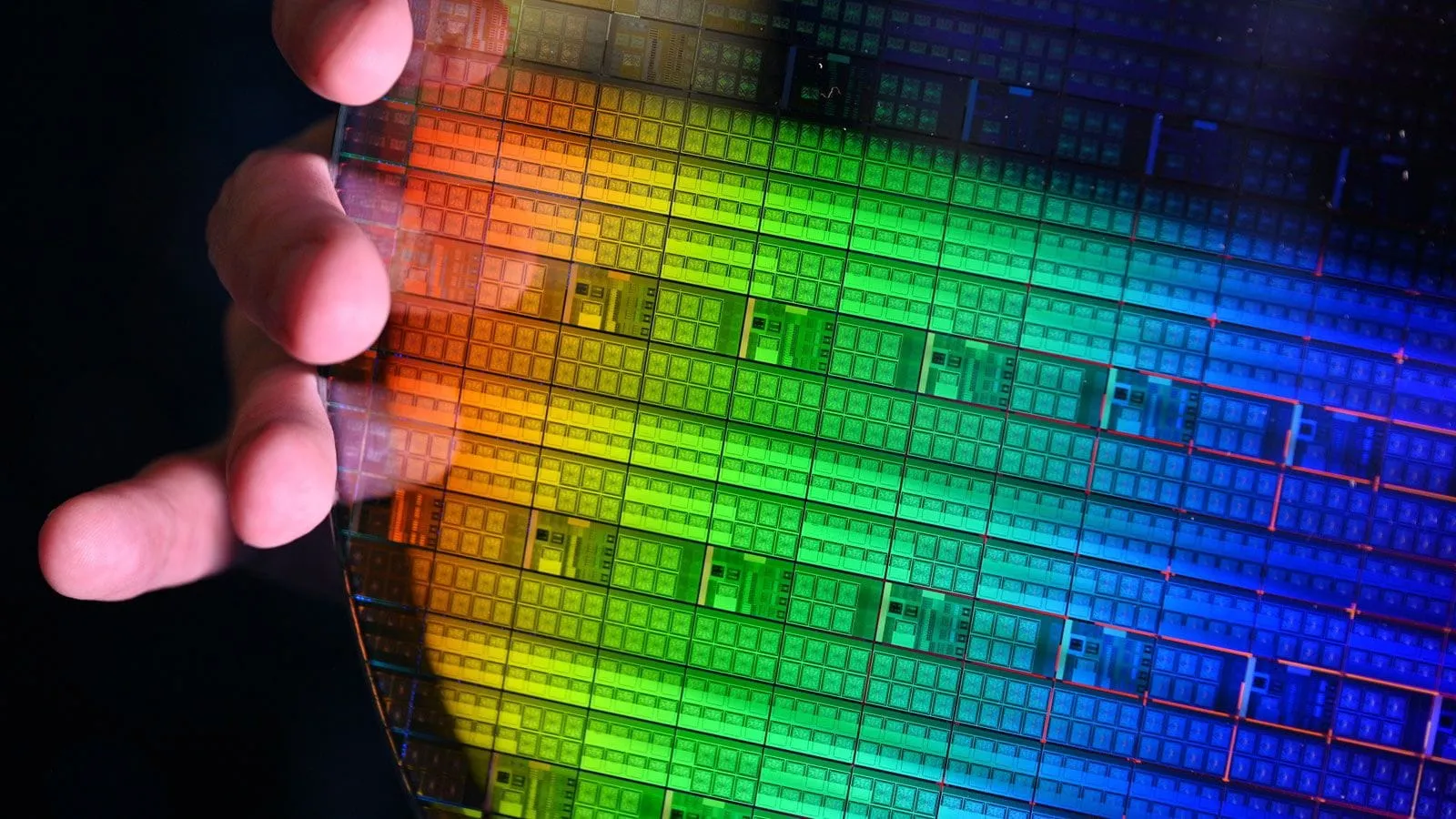
The future of computing isn’t just about faster processors; it’s about radically rethinking how we interact with the hardware itself. A major step in this direction was recently taken by Intel, who has secured a patent for integrating MicroLED technology directly into a CPU package, opening up exciting possibilities for next-generation displays and processors.
This isn’t just theoretical speculation; the patent details a concrete manufacturing pathway. The innovation involves embedding MicroLEDs into the package using a glass substrate and advanced techniques known as Through-Glass Vias (TGV). This method allows power and signal routing to connect directly to the semiconductor die, enabling these light sources to be integrated seamlessly into the chip structure.
Intel’s vision extends beyond mere function. The patent suggests that these integrated MicroLEDs could serve dual purposes: providing aesthetic components for the electronic device or acting as visual indicators of the operations the processor is performing. Imagine a processor that doesn’t just calculate, but can visually communicate its work, offering a direct readout to the user.
One of the most intriguing potential applications mentioned is using the LEDs to light up wording across the central processing unit, suggesting a form of direct visual output available right on the chip. This capability opens the door to novel ways of providing diagnostic information or, perhaps, dynamic, multi-colored displays akin to advanced RGB memory, far surpassing traditional methods.
The underlying technology relies on advanced material science. Intel’s work with glass substrates aims to leverage superior interconnect density, claiming it offers ten times better connectivity compared to traditional organic materials. This focus on glass substrates is crucial for achieving the necessary density and efficiency for true three-dimensional, integrated lighting systems.
While patents lay the crucial groundwork for innovation, it is important to remember that a patent is a blueprint, not a finished product. The actual realization of MicroLEDs embedded directly into a processor remains a future challenge, but Intel has clearly laid the essential technological foundation for this kind of revolutionary hardware integration.
Buy on Amazon
Credit
