Micron CEO warns memory will be tougher in the next two years
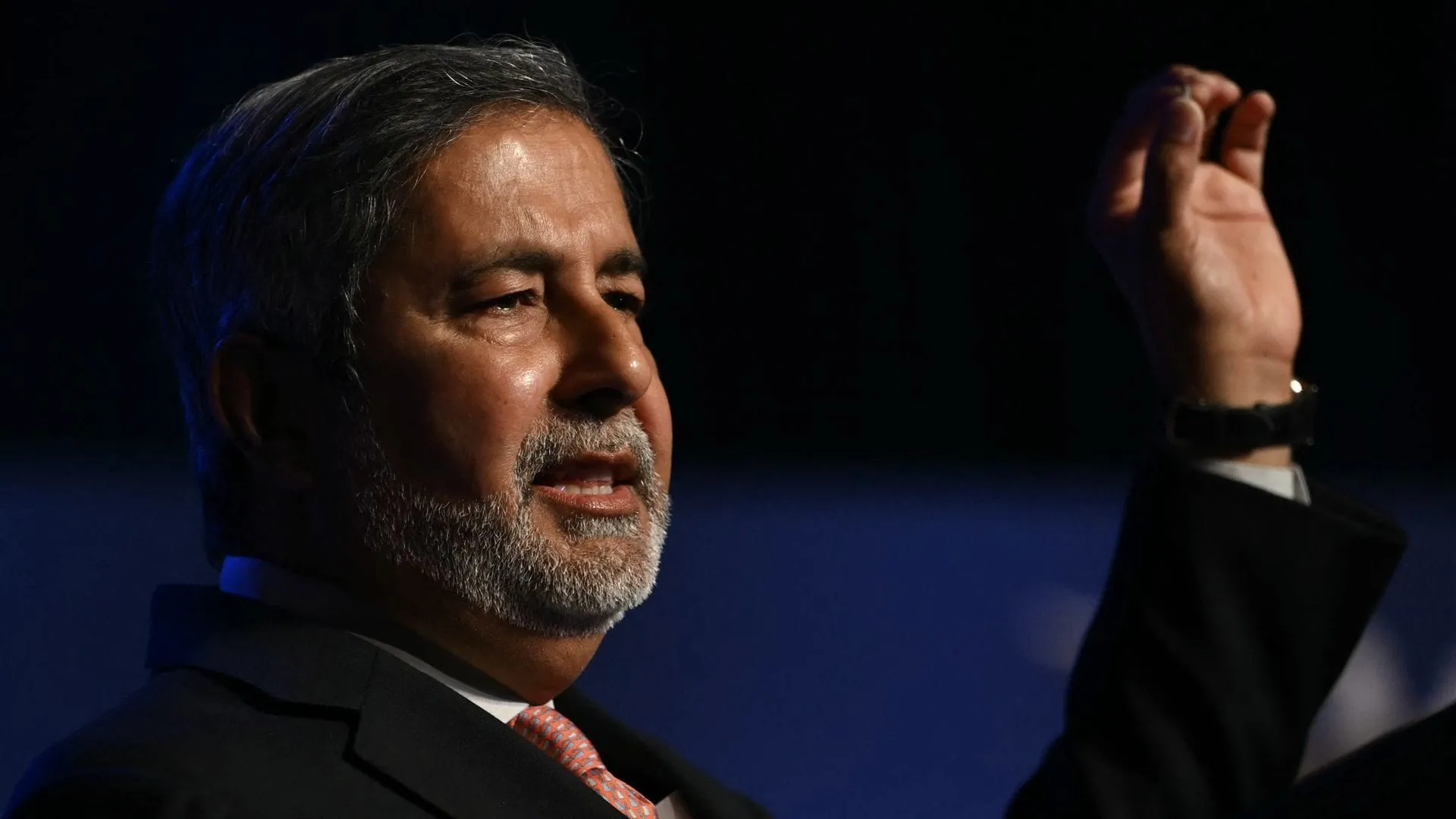
The memory market is tightening, and the warning comes not from a peripheral analyst, but from the very heart of the industry. Micron‘s CEO, Sanjay Mehrotra, is signaling a sobering reality: the supply of essential memory may become even scarcer in the next two years than it is today.
This stark outlook isn’t just corporate spin; it’s a direct reflection of explosive demand, primarily fueled by the relentless appetite of artificial intelligence. During the company’s recent earnings call, Mehrotra made it clear that while industry demand has strengthened, the supply-demand conditions for memory and storage will become significantly tighter in 2027 and 2028 than they were in 2026.
The core issue boils down to physical constraints. Building the infrastructure necessary to produce memory chips is slow. Manufacturing requires complex, time-consuming processes, including the construction of clean rooms and gradual production ramps—a reality that means supply simply cannot keep pace with the accelerating demand.
This supply bottleneck is being felt across the entire technology ecosystem. The demand surge isn’t just about consumer electronics; it’s driven by the AI revolution, which requires massive amounts of memory for training and running increasingly complex models. Competitors are seeing the effect too. Samsung, for instance, reported that surging demand for High Bandwidth Memory (HBM)—the specialized memory crucial for AI accelerators—is already consuming a significant portion of its capacity, thereby taking away available supply from general DRAM.
The consequence of this scarcity is inevitably passed on to consumers. As supply remains constrained, the price rises already biting into the market are expected to continue throughout the coming years. This inflationary pressure will inevitably affect product launches and the Manufacturer’s Suggested Retail Prices (MSRPs) for everything from next-generation graphics cards and consoles to CPUs from Intel and AMD.
While the supply crunch paints a cautious picture, not everyone is resigned to the crisis. Some industry voices are offering a more optimistic view, suggesting the severity of the shortage might not be as long-lasting as feared. Reports have surfaced from tech leaders and sharp investors who argue that the shortage may not persist until 2030.
Dissenting opinions also exist regarding the broader economic context. Some critics point to accelerating timelines suggesting that the AI bubble may burst sooner than previously anticipated, arguing that the pressure on the market is shifting faster than the memory shortage itself.
Buy on Amazon
Credit
