Micron profits amid RAM shortage tightening to 2028
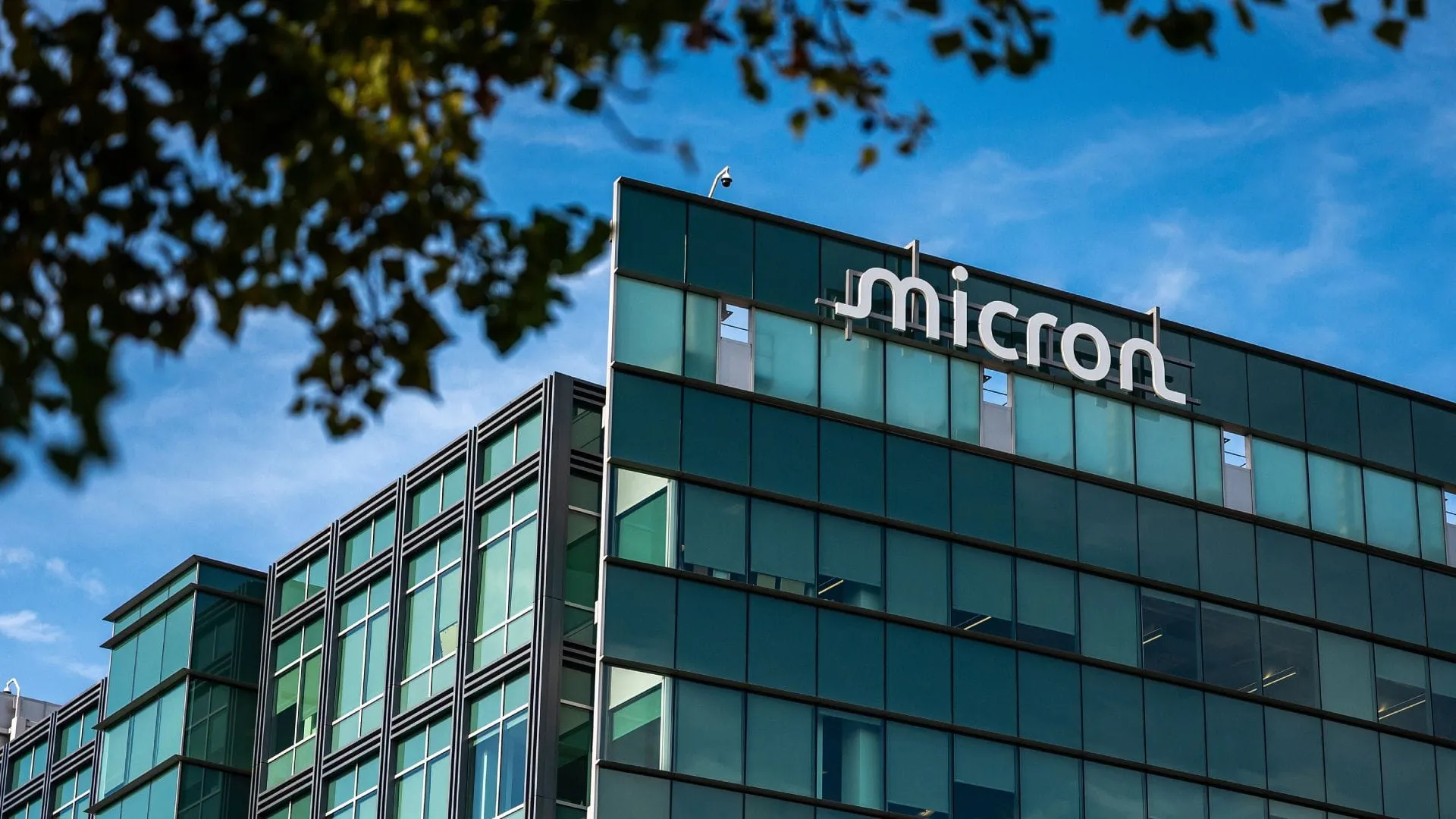
The memory chip industry is navigating a fascinating collision of record-breaking financial success, relentless technological demand, and looming supply constraints. Amidst this high-stakes environment, Micron recently delivered figures that underscore both the explosive growth of artificial intelligence and the stubborn reality of global supply shortages.
Micron announced record financial guidance, reporting a gross margin of 86.25% for fiscal year 2026, which translates to a gross profit exceeding $53 billion. This stellar performance, totaling $61.5 billion in Q1 revenue, highlights the immense value placed on advanced memory technology in today’s digital economy. Despite these impressive results, company leadership offered a sober outlook: the supply-demand environment for RAM and storage chips is set to become even tighter in 2027 and 2028, as demand continues to outpace available supply.
Sanjay Mehrotra, the CEO and chairperson, acknowledged this growing tension, noting that while production is accelerating, the industry remains constrained. Although NAND and DRAM shipments are expected to grow in the low-to-mid 20s percentage range over the next two years, this expansion is not enough to fully meet the surging demand. The focus is rapidly shifting toward specialized chips, particularly High Bandwidth Memory (HBM), which are critical for powering the massive infrastructure of AI data centers, and are expected to grow faster than conventional DRAM.
This intense focus on AI has created a new geopolitical dynamic among the chip manufacturers. The demand for these advanced components has sparked labor disputes, as workers at companies like Samsung, SK hynix, and Micron have demanded a larger share of the AI-driven profits. This dynamic is reflected in the recent standoff where Micron‘s Taiwan employees threatened a strike if they did not receive a more substantial portion of the AI windfalls.
While these internal struggles illustrate the massive economic importance of the semiconductor sector, the final impact lands squarely on the consumer. As manufacturers pursue production capacity—including the ambitious plans for new facilities like the $100 billion New York megafab—the market is grappling with price realities. This situation runs counter to some predictions that PC prices will decline by late 2027 as cheaper Chinese capacity enters the mainstream. Instead, the current trend suggests that soaring AI demand keeps DRAM and NAND prices climbing, forcing consumers to absorb higher costs for essential memory components.
Ultimately, the story of the memory chip market is one of balancing ambition and reality. While record profits are being posted and massive investment pours into future fabrication sites, the path to balancing supply and demand remains uncertain, leaving manufacturers and consumers alike to wait for the inevitable equilibrium to settle.
Credit
