Micron stops making 2GB GDDR7 chips for gaming GPUs as it pivots to AI
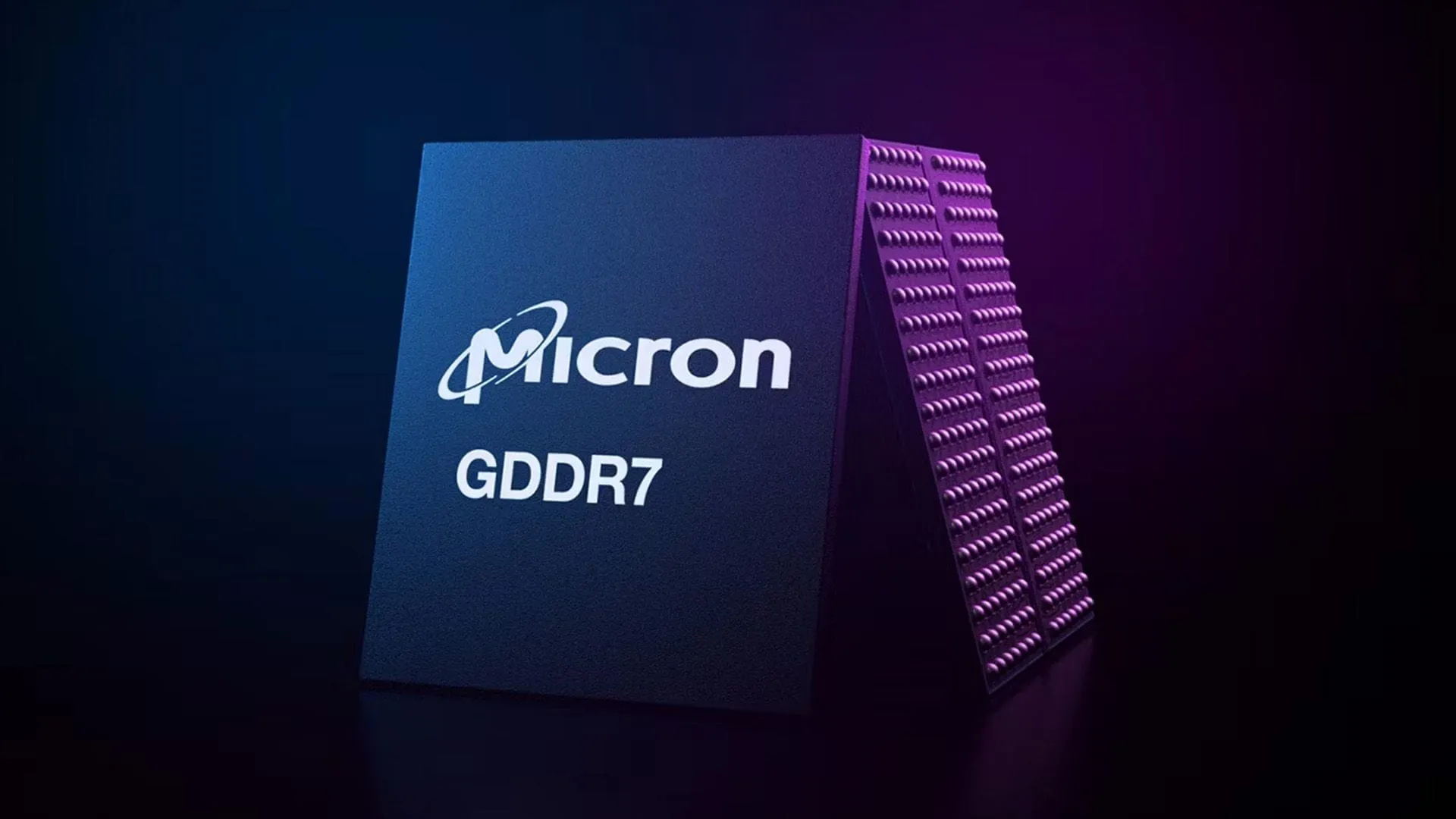
The memory market is undergoing a dramatic realignment, driven by the insatiable demand of artificial intelligence. In a strategic move to focus resources on the future, Micron is pulling the plug on its production of older 2 GB GDDR7 memory chips, signaling a clear pivot toward high-margin, AI-centric technologies.
Micron has officially designated its 2 GB memory chips, including the 28 Gbps and 32 Gbps variants, as End of Life. This decision marks the end of an era for the company’s consumer and retail memory segment, allowing them to streamline operations and free up fabrication capacity for more lucrative projects.
This transition follows a notable history in the memory space. Earlier this year, Micron began supplying its 2 GB GDDR7 modules to Nvidia, working alongside major suppliers like Samsung and SK Hynix. However, this segment proved less competitive. The economics of the 2 GB market simply did not align with the priorities of the broader industry.
The strategic exit of the 2 GB line was logical: it allowed the company to prioritize growth areas where profitability was higher. Today, Micron is concentrating its energy on higher-density modules, specifically the 3 GB (24 Gbps) GDDR7 chips.
While these larger packages might seem less conventional for standard consumer graphics cards, they unlock significant opportunities. These higher-density modules are actively being utilized in specialized, high-performance applications, particularly Nvidia’s high-end RTX PRO Blackwell GPUs tailored for demanding generative and agentic AI workloads.
The shift highlights a crucial industry trend: memory suppliers are increasingly prioritizing data-center and AI-facing technologies over traditional consumer retail segments. This strategy mirrors Micron’s earlier decision to exit its consumer memory and SSD business entirely, recognizing that the massive surge in AI demand simply mandates a change in focus.
By focusing on specialized, high-margin AI memory, Micron is positioning itself at the forefront of the next generation of computing, trading consumer volume for cutting-edge profitability in the rapidly evolving world of high-speed memory.
Buy on Amazon
Credit
