Microsoft and Adobe H-1B workers face green card block due to fraud
The Green Card Gambit: Tech Giants Blocked from the Path to Permanent Residency
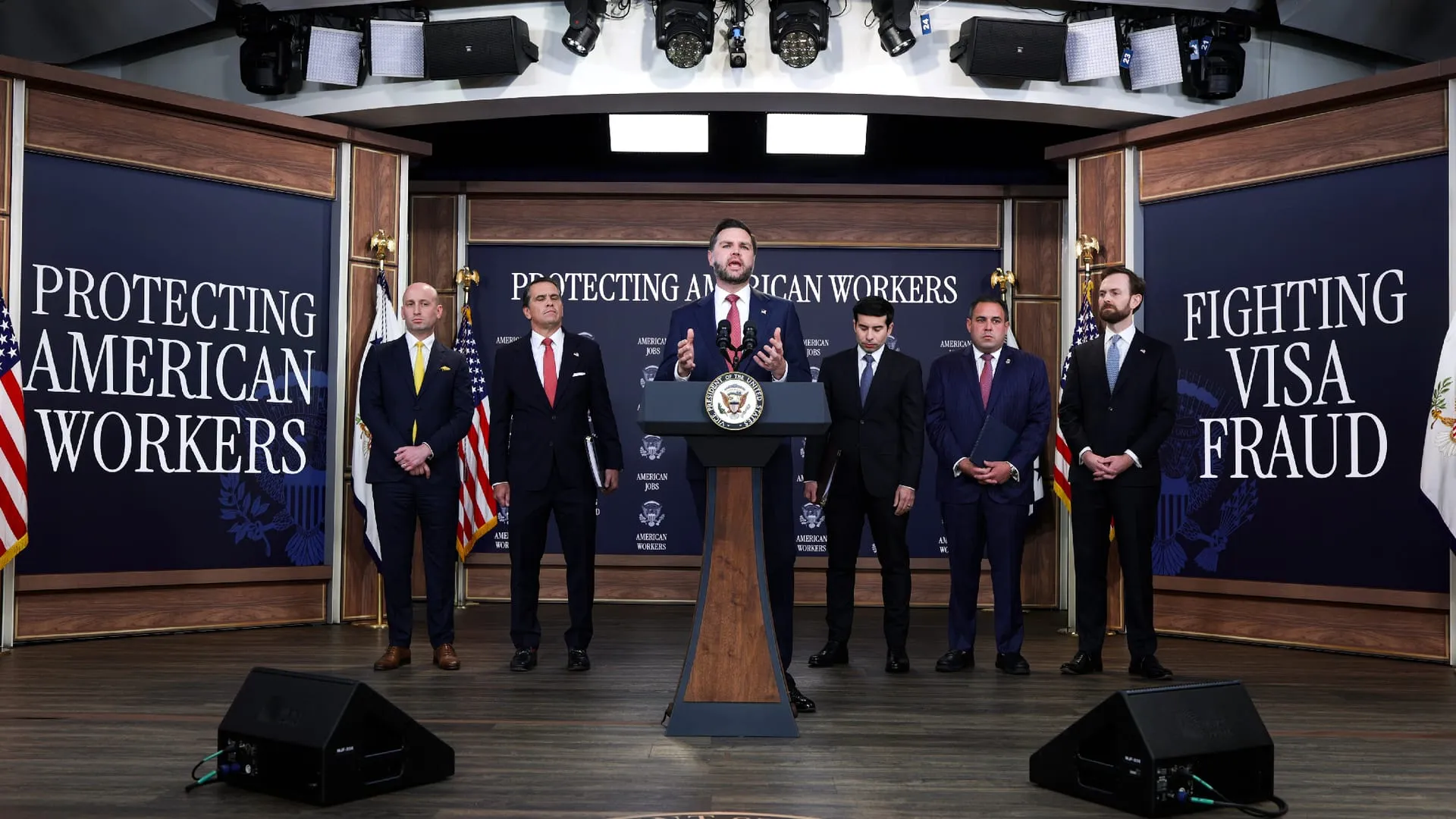
In a swift and dramatic announcement, Vice President JD Vance revealed that major technology giants Microsoft and Adobe have been blocked from accessing the PERM program—a crucial pathway for their H-1B visa workers to eventually achieve green card status. This action stems from allegations of fraud and abuse within the systems that govern immigration and labor practices.
The move sent ripples through the corporate world, particularly for major IT outsourcing firms like Cognizant, Infosys, Tata Consultancy, Wipro, HCL, and Capgemini, which also faced suspensions related to these same concerns. The immediate fallout highlights a growing scrutiny over how multinational corporations manage their workforce and immigration processes.
The specific action targets the PERM program, which is designed to certify that a U.S. employer will not have a preference for foreign labor when hiring domestically. By suspending these privileges, the administration signaled a serious re-evaluation of the labor and immigration systems underpinning these high-profile tech companies.
VP Vance offered a pointed assessment of the situation, particularly regarding Microsoft. He stated that there has been no company in the United States that has abused this system more severely. Adding a stark reality check, Vance noted the imbalance: “If you do the math, for every worker that Microsoft laid off, they replaced that worker with one and a half foreign indentured servants.”
The context for this abrupt action is rooted in a broader, ongoing federal investigation. Last July, the Labor Department initiated a nationwide inquiry focusing on fraud and human trafficking within the H-1B and PERM programs. This inquest zeroes in on issues like fraudulent applications, wage kickbacks, coercion, below-wage labor, recruitment abuse, and the practice of benching—where companies keep foreign employees on the books without assigning them work or paying them appropriately.
The implications for major tech firms are considerable. Microsoft had previously reported laying off 6,000 workers while simultaneously benefiting from 6,300 H-1B approvals and nearly 3,000 green cards. The company had filed 3,682 PERM applications, some of which overlapped with the positions of laid-off staff. Consequently, both Microsoft and Adobe’s PERM privileges were revoked due to multiple active federal investigations, as confirmed by Labor Secretary Keith Sonderling.
This tightening of oversight follows previous efforts to enhance program integrity. In September, the President signed an executive order aimed at curbing the abuse of the H-1B program, and H-1B lottery rules had already been adjusted to favor highly skilled and highly paid workers. Furthermore, the suspension of Cognizant’s green card filings demonstrated that the attention remains focused on ensuring fair and ethical labor practices across the board.
The scale of the issue is clear when looking at the broader landscape of visa activity. Estimates for fiscal year 2025 show Amazon leading the way with 4,644 approved H-1Bs, followed by Meta with 1,555, Microsoft with 1,394, and Google with 1,050.
Credit
