Microsoft asks if franchises like Minecraft should be Xbox-only
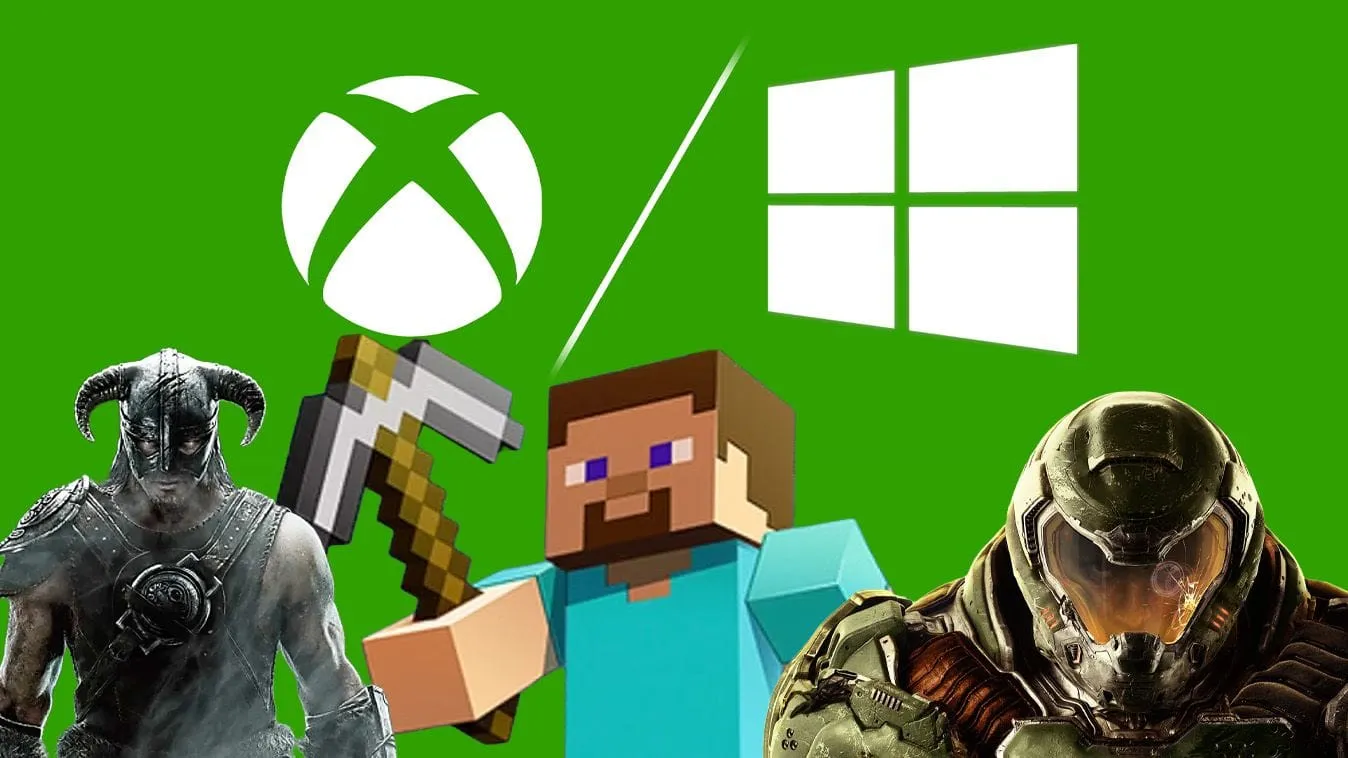
The gaming landscape is a brutal place, and for Microsoft, the challenge isn’t just keeping up with competitors; it’s figuring out how to win the loyalty of a console-hungry audience. Despite owning the Xbox brand, the gaming division often finds itself in a difficult position, playing catch-up against the established dominance of PlayStation and Nintendo.
Recent data suggests that this struggle may be prompting Microsoft to consider a radical shift in strategy—perhaps the “nuclear option.” A new survey released to a subset of Xbox users within the Insider Program delves into how dedicated gamers view the future of multiplatform play versus full console exclusivity.
The core of the inquiry is fascinating: how much would users prioritize game exclusivity? Microsoft tested the waters by asking users if they would switch to Xbox based on potential exclusives for major franchises, including massive titles like Fallout, The Elder Scrolls, DOOM, and even Minecraft. The premise was that existing titles would remain available, but new content would be locked down.
But the thought experiment went further. Microsoft posed a stark hypothetical: what would happen if every single Xbox-developed game, excluding Call of Duty, became fully console exclusive? The scenario forced users to weigh the trade-offs between platform loyalty and content access, asking them whether they would switch consoles, buy a new Xbox, move to PC, or simply abandon the platform entirely.
This exercise reveals a crucial tension in Microsoft’s strategy: going multiplatform has yielded mixed results, suggesting that focusing on maximum exclusivity might be the necessary pivot. The question shifts from how to distribute games successfully to whether that distribution model is even viable in the current climate.
The hardware reality adds another layer of complexity. Even if Microsoft managed to secure massive exclusive content, the current climate of hardware scarcity, driven by the RAMpocalypse, makes driving new console sales incredibly difficult. The logistics of global distribution and hardware availability remain significant hurdles that need to be overcome.
Ultimately, the debate pivots on Microsoft’s identity. Is the company primarily a console publisher, or is it a hardware powerhouse driven by its advancements in AI silicon, such as the new Maia chips? Given Microsoft’s focus on data centers and cutting-edge hardware, making a drastic, all-in move regarding gaming could be viewed through a completely different lens.
The future of the Xbox brand may hinge on a strategic decision that acknowledges the current market dynamics. Whether the data gathered in these surveys signals a complete overhaul or merely a deeper understanding of the market’s shifting priorities remains to be seen, but one thing is clear: the path forward demands bold thinking.
Buy on Amazon
Credit
