Microsoft blocks AMD in Surface PCs
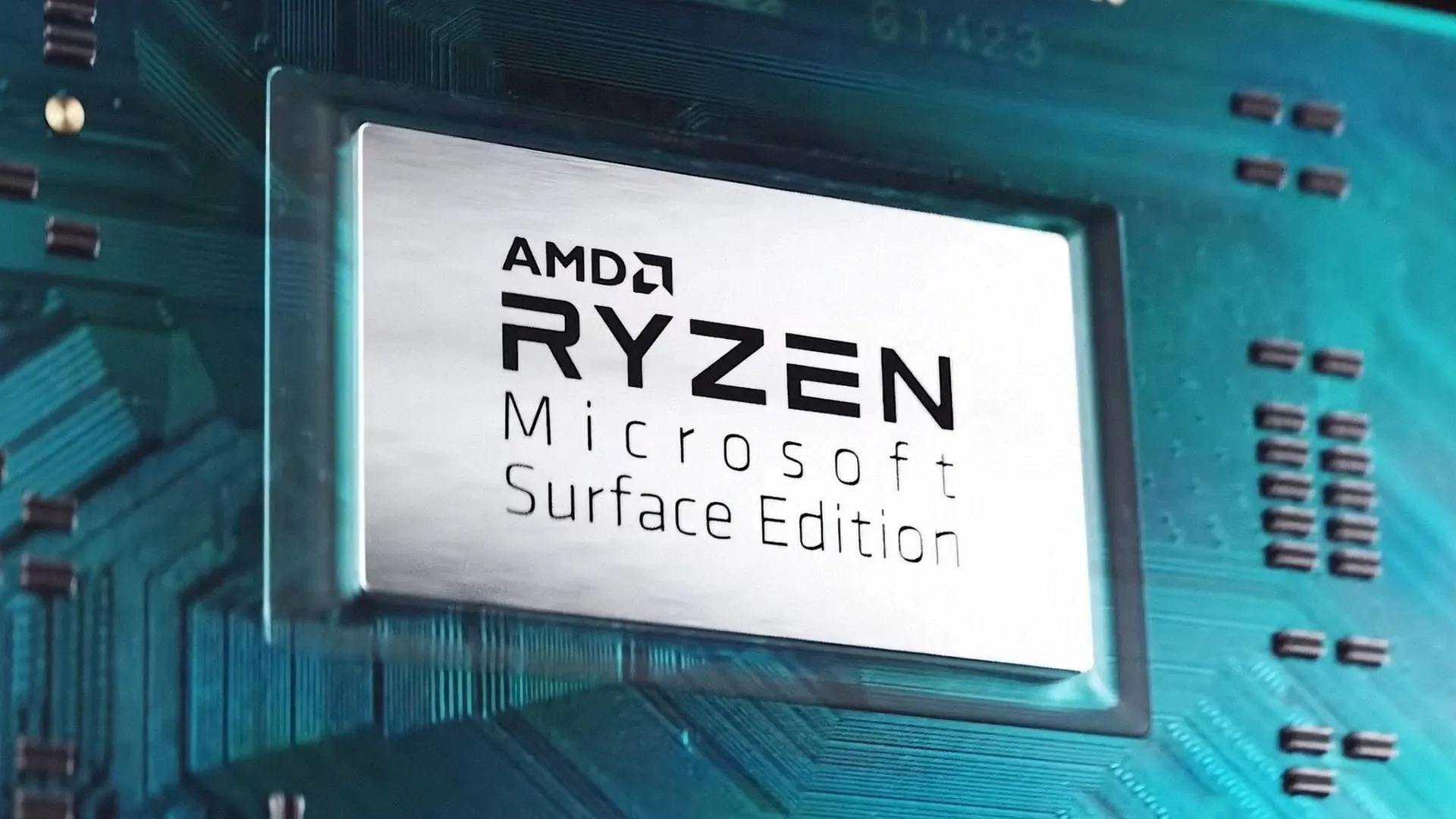
The world of premium computing is buzzing with anticipation for the next generation of Surface PCs, and the chip lineup is shaping up to be a fascinating mix of powerhouses. By 2026, these devices will be powered by a dynamic roster featuring chips from Intel, Snapdragon, and even NVIDIA, promising incredible performance and battery life.
However, if you’re tracking the hardware landscape, one major player remains conspicuously absent from the Surface family: AMD. This absence raises a curious question about Microsoft’s strategic choices in defining its premium hardware portfolio.
This isn’t an entirely new story. In 2019, Microsoft briefly embraced flexibility, offering Surface models equipped with both Intel and AMD processors. This dual-chip approach, a welcome innovation, proved to be a short-lived experiment, as the lineup was eventually streamlined with the introduction of the Surface Laptop 5.
Why the shift? While hardware specifications often seem like the only deciding factor, the decision to drop AMD from the Surface lineup suggests a broader corporate strategy. When pressed for insight into this pivot, Microsoft’s Chief VP, Brett Ostrum, offered a candid explanation: “We love working with AMD. We have a limited portfolio, and so we have to make our choices pretty wisely in terms of what we’re doing and where we’re doing,” he stated.
Essentially, Microsoft’s current approach prioritizes tightly managed partnerships and a focused product line. They operate with a limited portfolio, meaning they must carefully manage their relationships and ensure their hardware strategy aligns with their wider ecosystem goals.
Despite this official stance, the door remains ajar for speculation. There have been persistent rumors suggesting that Microsoft was exploring alternative, powerful options. Specifically, whispers circulated last year that the company was developing a Surface powered by AMD‘s rumored Arm-based chip codenamed Sound Wave, potentially set to arrive in 2026.
While no official confirmation has surfaced regarding the Sound Wave APU—and whether it is a high-end offering—the rumor adds a layer of intrigue. If this chip ever makes it into the Surface lineup, it would represent a significant strategic move, blending AMD’s capabilities with Microsoft’s design philosophy.
For now, the official narrative holds firm: the limited portfolio dictates the choices. But as the market evolves and hardware innovation continues to push boundaries, we remain keenly interested to see if this rumored opportunity to integrate AMD into the Surface experience becomes a reality.
Buy on Amazon
Credit
