Microsoft camouflages data centers by blending them into wetlands
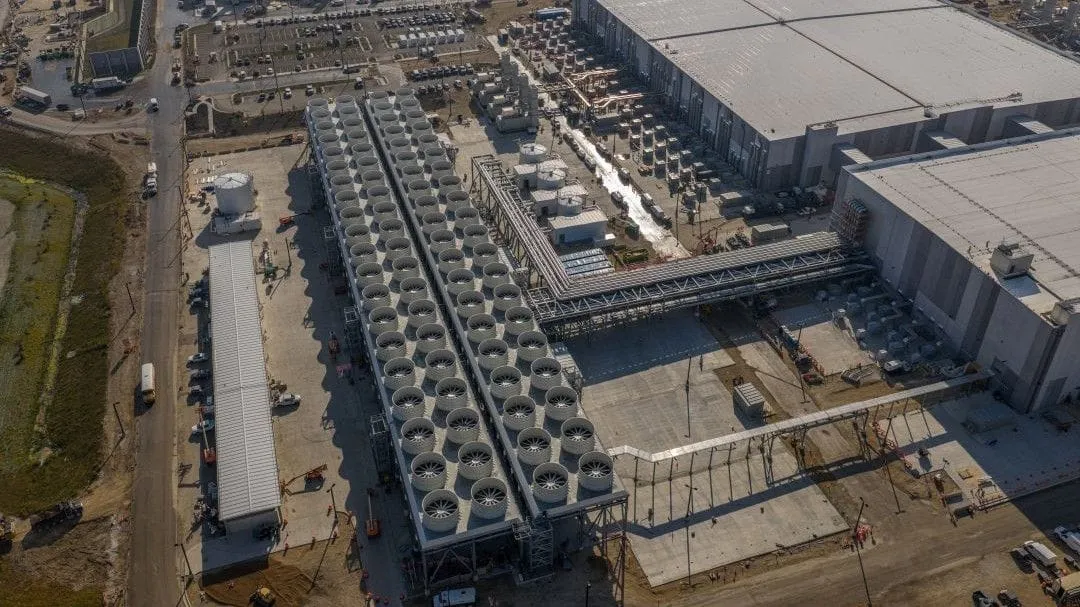
Microsoft is attempting to redefine the footprint of its massive data centers, moving beyond mere construction to embrace a philosophy known as biomimicry. The goal? To restore local ecosystems around these digital powerhouses, integrating restored wetlands and native gardens so that technology can quietly settle into the natural landscape. This ambitious project spans over twenty sites across the United States and Germany, aiming to make data centers less of an industrial intrusion and more of a harmonious part of the environment.
The strategy involves a sophisticated approach to measuring environmental health. Microsoft utilizes a tool called Ecosystem Intelligence, powered by Azure, to assess local habitats. This system scores various features, including water quality, biodiversity, and noise abatement, allowing the company to customize restoration efforts to meet the specific needs of each local environment. Solutions are designed not just to mitigate damage but to actively restore what was lost, creating plant buffers that help quiet the data center humming and minimize the visual impact on nearby communities.
This commitment is not without friction. While Microsoft champions ecological integration, critics raise questions about the company’s broader energy dealings. Recent energy deals, such as a long-term power agreement with a planned Chevron gas plant in West Texas, have drawn skepticism. Some observers have dismissed these actions as lipstick on a pig, suggesting that corporate sustainability often masks larger economic priorities.
The pressure on these developments is palpable at the local level. Residents and community leaders have voiced concerns over the environmental costs of large-scale infrastructure. In San Antonio, for instance, local council members have highlighted worries about traffic, tree removal, and the overall environmental impact, particularly when large projects require clearing land.
Despite these local concerns, Microsoft maintains that the ecological investments are a core part of its strategy. Spokespersons argue that the company is committed to leaving the land “more productive than we received it,” investing in over 400 acres of woodland and pollinator prairie restoration in areas like San Antonio.
The physical reality of data center expansion also introduces significant regulatory hurdles. In Texas, Governor Greg Abbott paused approvals for data centers seeking to connect to the state’s power grid, demanding a thorough audit of power-grid requirements. This regulatory pause highlights the intense scrutiny placed on the intersection of infrastructure development and environmental governance.
The challenge extends to energy consumption and emissions. Microsoft’s own accounting reveals that the expansion of its infrastructure has driven a 25% rise in emissions in fiscal year 2025. This places a spotlight on the necessity of achieving ambitious sustainability targets, with the company setting goals for carbon negativity and water positivity by 2030.
Ultimately, the success of this biomimicry approach hinges on transparency and genuine cooperation. Experts point out that the true measure of success lies in how accurately data is calculated, tracked, and shared with local communities. Achieving real change requires bridging the gap between massive technological growth and genuine, collaborative environmental stewardship. The ongoing effort underscores the complex dance between global technology demands and local ecological responsibility.
Buy on Amazon
Credit
