Microsoft enables automatic security for Windows 11 PCs
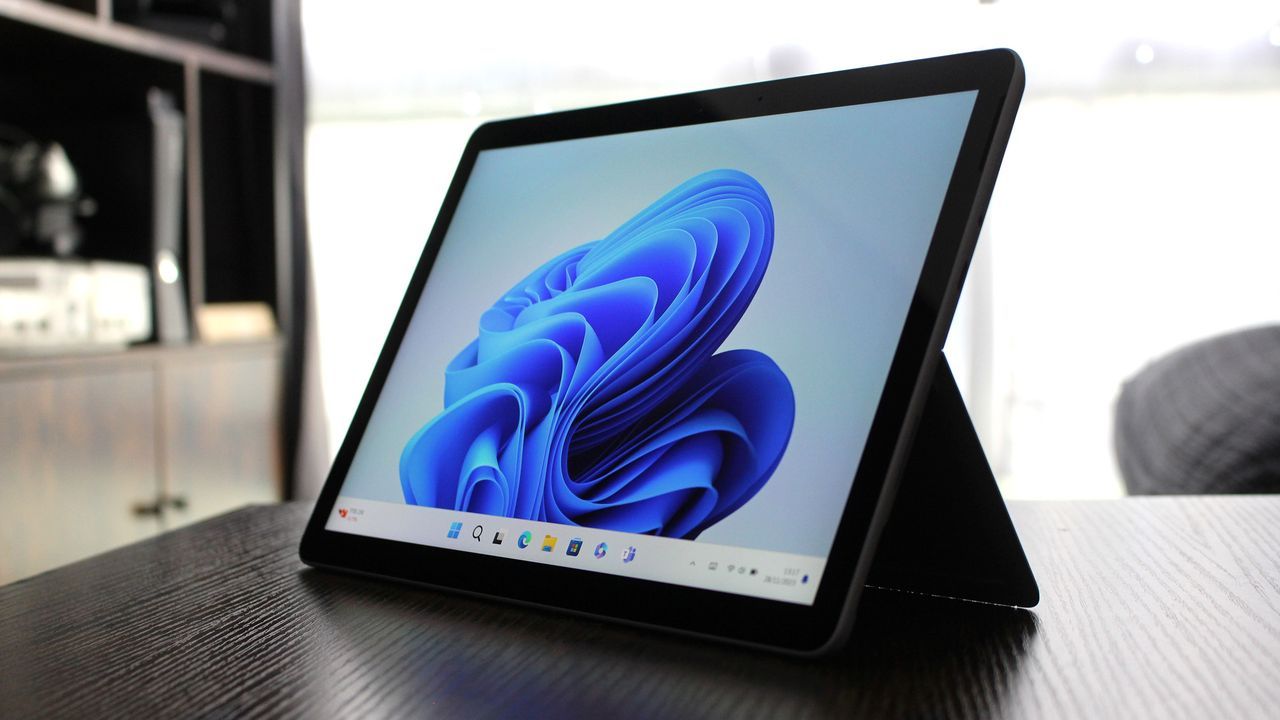
In the ongoing quest for impenetrable digital defenses, Microsoft is rolling out a major security upgrade designed to fortify Windows devices. Starting in October 2026, the feature known as “Memory Integrity Protection” will become enabled by default on more eligible PCs, bringing a critical layer of defense to the mainstream user experience.
At its core, Memory Integrity is a sophisticated, kernel-level security feature built upon Virtualization-based Security (VBS). This isn’t just another setting; it’s a fundamental architectural shift designed to protect the most critical components of the operating system from tampering. By leveraging VBS, memory integrity ensures that only trusted kernel-mode code and drivers are allowed to execute, effectively shielding the system from sophisticated attacks that attempt to manipulate core functions.
Microsoft emphasizes that this enhancement forms the foundation for future security innovations. It acts as the bedrock upon which features like hotpatch updates can operate, allowing the system to improve user experience and productivity while simultaneously maintaining robust protection. It essentially builds a more secure digital foundation for everyone.
The rollout is designed to be as seamless as possible. Windows quality updates will begin automatically enabling Memory Integrity Protection on eligible devices, meaning users will receive this essential security measure with no additional configuration required. This makes the process of enhancing device security invisible, granting protection automatically.
While the rollout is automatic, users maintain control. Although the feature is set to enable by default, individuals retain the ability to manually toggle Memory Integrity Protection on or off. If a user had previously manually disabled the feature, it will not be automatically enabled during the rollout. Windows ensures a reliable device experience by evaluating system readiness before applying these changes.
This automatic deployment is particularly beneficial for users on older PCs that never had this level of protection enabled. For them, the change represents an invisible yet significant upgrade, making their hardware inherently more secure without requiring any intervention from the user.
Beyond memory protection, Microsoft is actively working to streamline the entire Windows ecosystem. In recent months, the company has announced a complete overhaul of the Windows Update system, aiming to reduce the frequency and annoyance of necessary restarts to just once a month.
This commitment to efficiency is complemented by new update capabilities, such as hotpatching, which allows Microsoft to deploy updates to the operating system on the fly without requiring a full system reboot. While this advanced functionality is currently available on commercial editions, the prospect of bringing these features to consumer editions continues to be a focus for the development team.
Buy on Amazon
Credit
