Microsoft ends Copilot for smart TVs this year
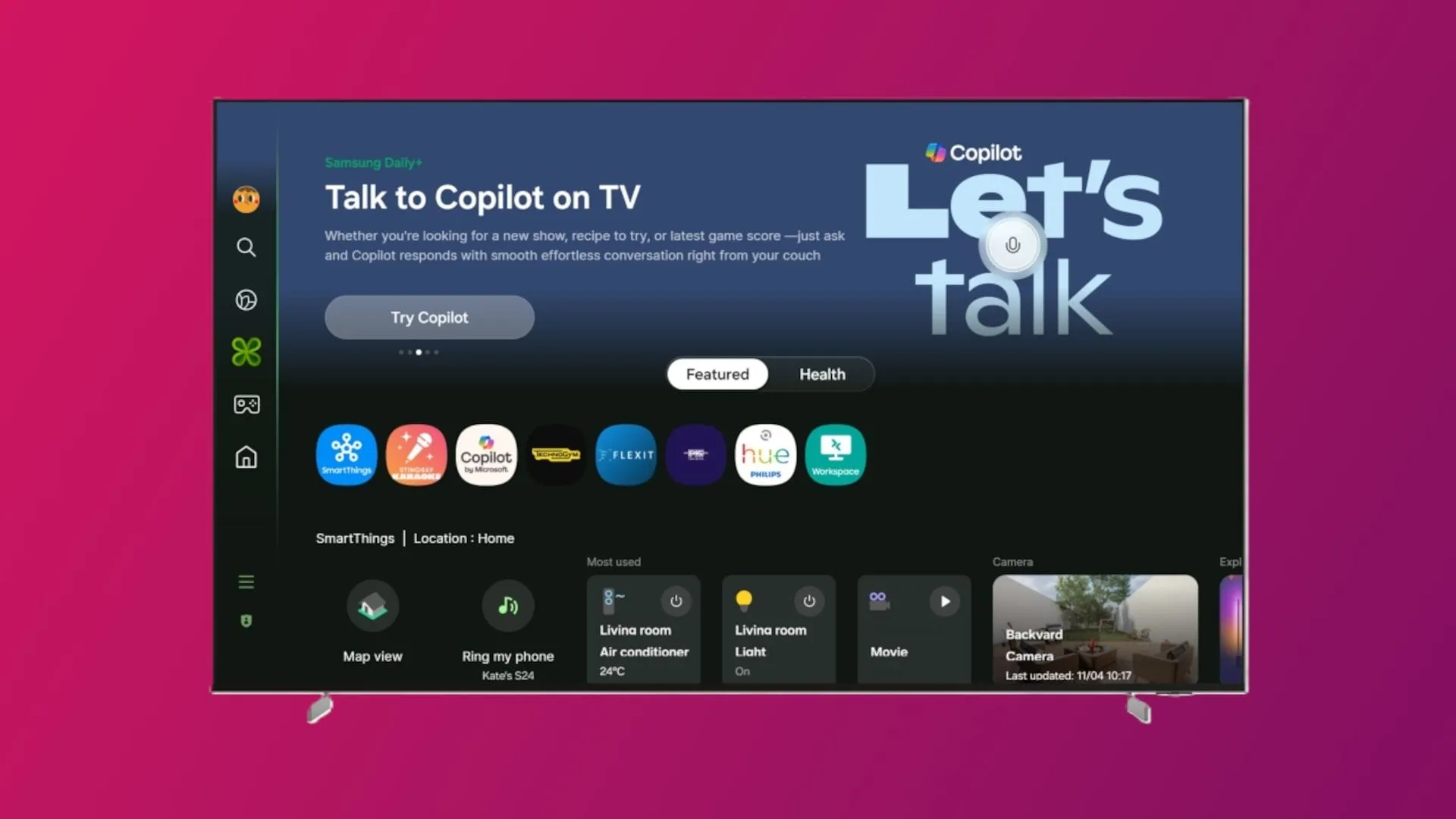
The era of the smart TV as a digital companion is drawing to a close, as Microsoft announces a major pivot away from its AI feature, Copilot, on television sets. LG recently confirmed this shift, signaling that the personalized AI experience on smart TVs is being retired.
The news arrived via a simple notification on an LG webOS television, informing users that Microsoft has decided to end support for Copilot functionality on all TVs. This means the AI assistant that once lived on your screen is winding down.
For some users, this change is simply a matter of factual notification. For others, it marks the end of a feature they may not have fully utilized. Copilot on TV had positioned itself as a digital friend, capable of answering questions about the screen content, recommending shows and movies, and engaging in general chat—a truly immersive experience for the living room.
This personalized companion arrived on smart TVs, often through forced installation on devices like LG and Samsung models over the past year. This aggressive rollout quickly generated significant pushback from customers online, who were not ready for an AI to take center stage in their entertainment experience.
The reason for the change lies in a strategic refocus by Microsoft. The company has decided to move Copilot away from the role of a personal digital friend and steer it squarely toward productivity and business applications. This new direction involves merging consumer-facing Copilot with Microsoft 365 Copilot into a single, unified application.
By consolidating its AI efforts, Microsoft is prioritizing Copilot’s utility in professional settings rather than personal entertainment. Consequently, the consumer version of Copilot embedded in smart TVs is being phased out, as it no longer aligns with the company’s updated vision.
While LG stated that Microsoft has yet to confirm an exact date for the end of support, the expectation is that this transition will be completed before the end of 2026. The focus is clearly shifting from making the TV a conversational hub to making it a powerful tool for work.
Credit
