Microsoft removes Copilot+ branding from new laptops
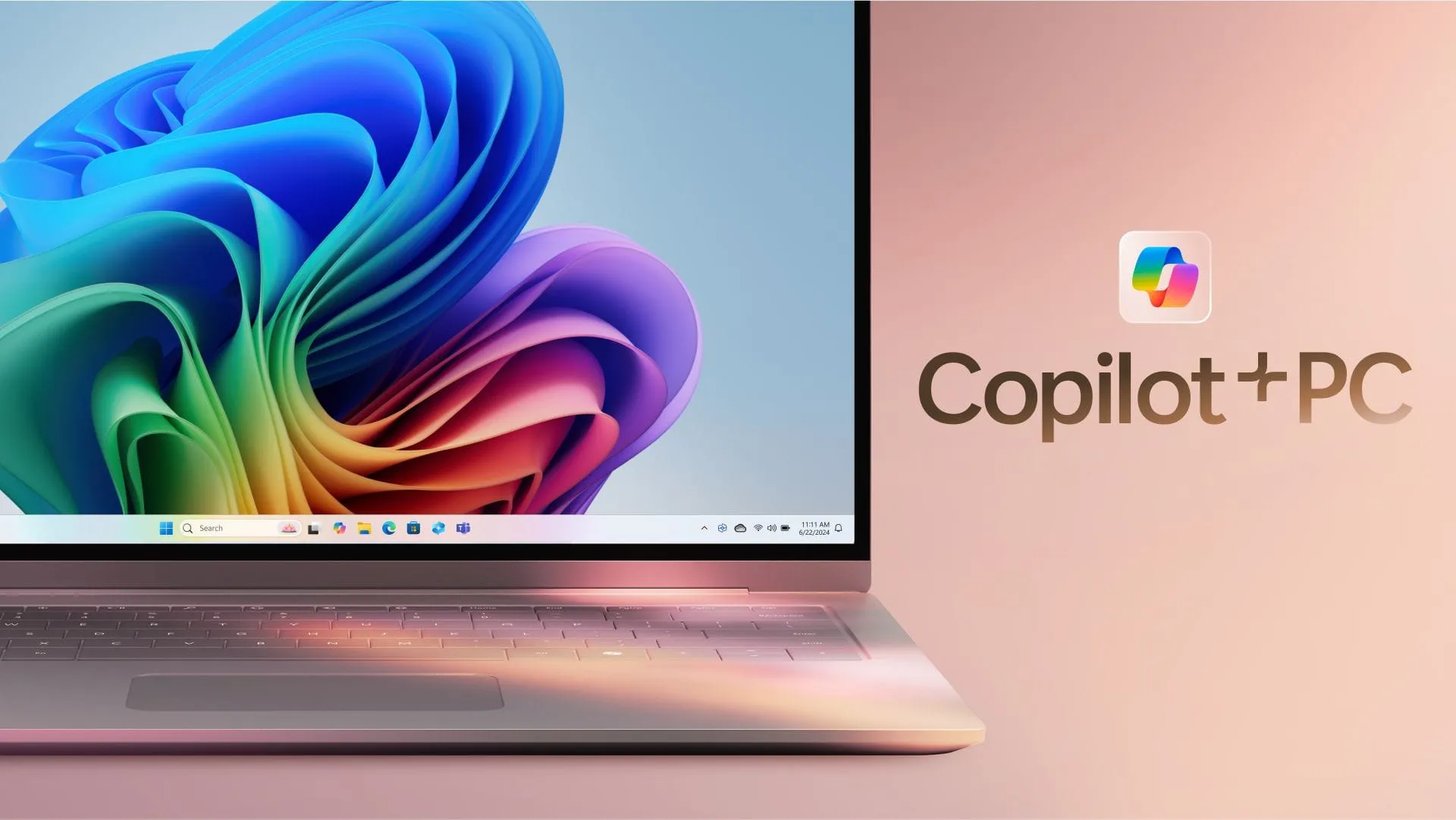
The Quiet Sunset of Copilot+
In the high-stakes world of technology, hype often outpaces reality. When Microsoft launched the Copilot+ brand in 2024, it aimed to carve out a distinct market segment by emphasizing local AI capabilities, specifically the necessity of Neural Processing Units (NPUs) and a minimum of 40 TOPS. But just two years later, the narrative surrounding this ambitious branding has taken a surprising turn, moving from bold aspiration to quiet reassessment.
Despite the initial vision, the Copilot+ PC market has not delivered the expected sales. This reality has prompted a strategic pivot. High-level company leadership has quietly signaled a retreat from the specific hardware branding, acknowledging that the initial push did not resonate with the market as anticipated.
This shift is evident in internal discussions. Microsoft’s Surface CVP Brett Ostrum confirmed that the devices were not officially called “Copilot+ PCs.” While the hardware itself still met the technical requirements for advanced AI processing, the focus has shifted away from the brand name, emphasizing a broader narrative around AI on the edge rather than exclusive device tagging.
The reasoning behind this move seems rooted in market dynamics and technological evolution. As modern mainstream and high-end processors increasingly come equipped with powerful NPUs capable of 40 TOPS or more, the need for a separate, limiting brand differentiation diminished. Furthermore, the ongoing global memory chip shortage has made requirements like 16GB of RAM expensive, leading Microsoft to prioritize efficiency and performance over strict, high-spec branding.
This focus on efficiency is reflected in product changes. Microsoft is actively optimizing Windows 11 to ensure smooth operation, promising improvements in performance, reliability, and updates while striving to make the operating system run efficiently on just 8GB of RAM amidst current memory constraints.
Yet, even as the hardware branding fades, the spirit of Copilot remains deeply embedded in the ecosystem. The company is not abandoning its AI ambition; instead, it is integrating Copilot features across the entire product lineup. New tools, such as Home, Code, and Autopilot, have been revamped, and Microsoft continues to test Copilot AI features on various platforms, including those utilizing discrete GPUs instead of NPUs.
The true innovation lies in the software layer. AI consultants estimate that the myriad of Copilot offerings—from Microsoft Office integration to system-level features—amount to well over 80 unique products. While the hardware branding may be sunsetting, the potent, integrated experience of Copilot is set to continue evolving, ensuring that the future of AI integration remains central to the Windows experience.
Buy on Amazon
Credit
