Microsoft stumbled onto a Windows 11 fix yet to be seen
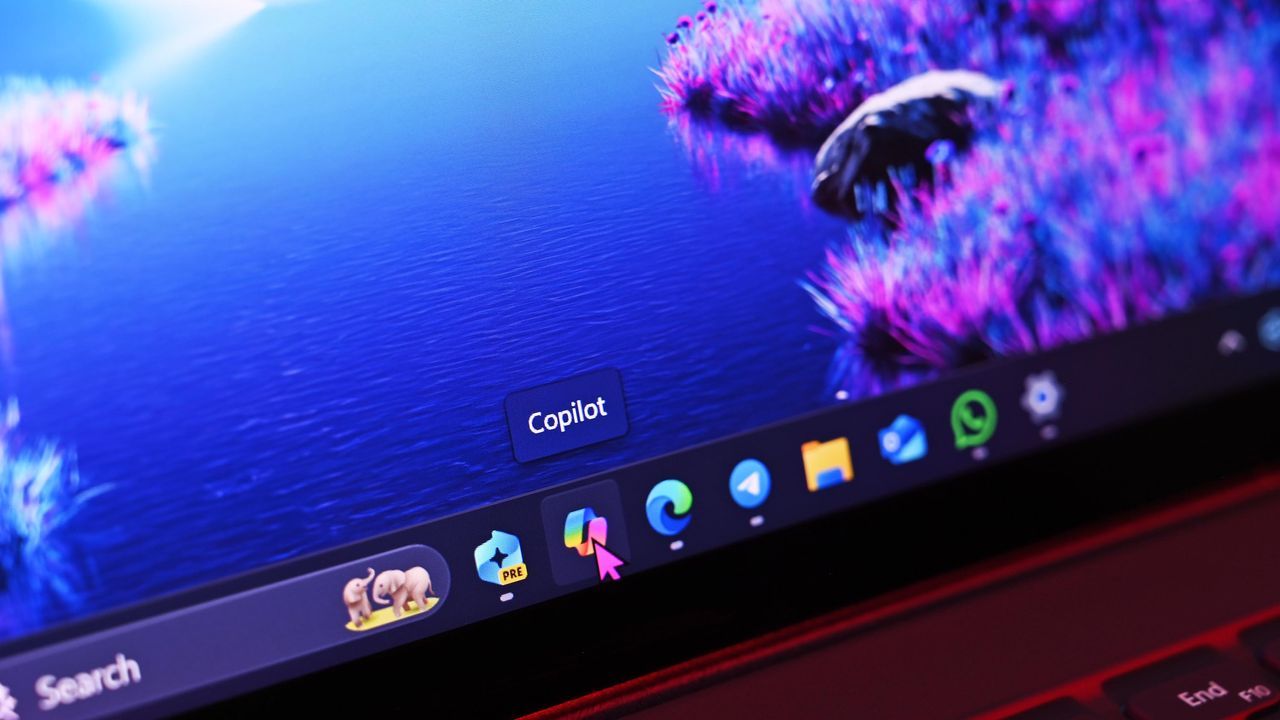
Imagine a world where your operating system doesn’t just run, it truly understands you. Microsoft is currently charting a course toward this personalized experience with Project Zenith, an ambitious initiative aimed at delivering a truly “distraction-free” Windows 11 for power users.
The idea is simple: provide developers and power users with a configuration that minimizes clutter and maximizes efficiency right out of the box. Project Zenith seeks to pre-enable settings and install essential applications, streamlining the setup process significantly. This isn’t just about cosmetic changes; it’s about building an operating environment perfectly tuned to specific workflows.
However, achieving this refined experience comes with a prerequisite: high-performance hardware. To unlock the full potential of Zenith devices, users must equip their machines with substantial specifications, including at least 64 GB of unified memory and a memory bandwidth of 250 GB/s. This sets a high bar, ensuring that this tailored experience is reserved for those with premium-grade PCs.
The immediate question, however, is one of practicality. If a user can already purchase a powerful PC, install the necessary software, and manually adjust settings, what is the true value of pre-enabled features? Critics wonder if Project Zenith is merely marketing speak layered onto an existing capability.
Yet, the concept of tailoring Windows has a long history. Microsoft has explored personalized operating systems before, from the experimental Windows 10X to the focused Windows 10 S mode. These efforts demonstrate a persistent desire to tweak the core OS for different user bases.
The next evolution is likely to be a more dynamic approach, where the operating system itself sheds unnecessary components. The ultimate goal might be a flexible Windows that can instantly toggle between full functionality and stripped-down modes, offering a dynamic experience that adapts to the user’s needs.
The real pivot, however, seems to be in the current battle between AI and personalization. As Microsoft pushes Copilot+ PCs, the focus shifts to how we manage advanced features. This presents an opportunity to offer a clear choice: a fully integrated AI experience, or a bespoke, AI-free version of Windows 11.
This opens the door for users to demand specific configurations, such as a completely ad-free or AI-disabled OS. While this might require broader policy changes, it reflects a tangible demand: users want control over their digital environment. Whether this manifests as a manual setup or a dedicated, bespoke operating system, the underlying message is clear—the future of Windows lies in truly personalized, tailored experiences.
Buy on Amazon
Credit
