Microsoft’s Xbox team didn’t want Windows 11
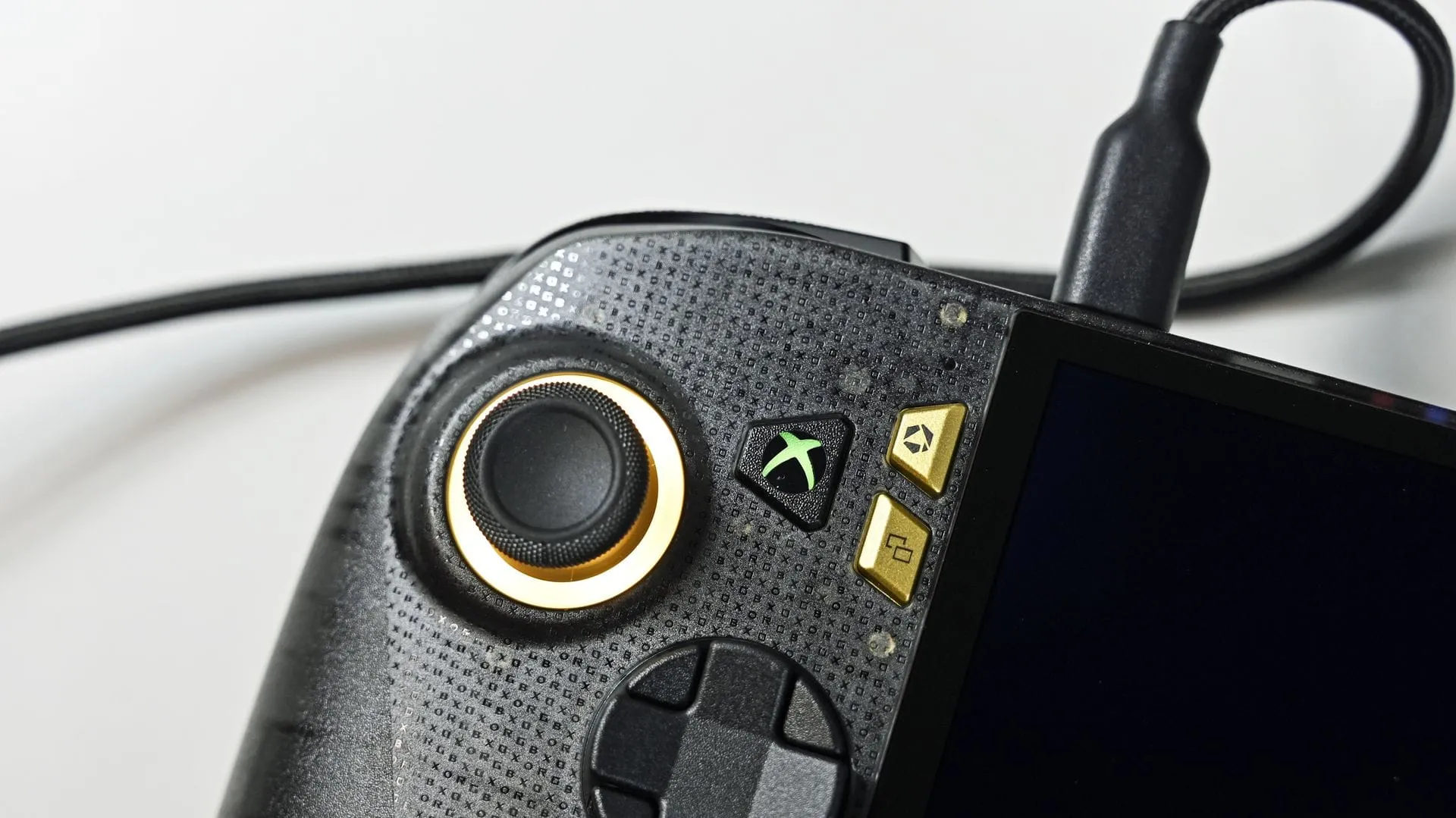
In the high-stakes world of Microsoft, the battle for the next generation of gaming hardware is hotter than ever. While the spotlight often shines on the XBOX, whispers of internal friction reveal a deeper conflict: the operating system teams are locked in a spirited standoff, putting the demands of gaming at the very forefront of the technological roadmap.
Recent reports suggest that the division responsible for XBOX and the group developing Windows have experienced significant clashes, particularly regarding how the operating system should power upcoming gaming devices. The friction points arose as teams navigated the complex task of integrating cutting-edge hardware with the demands of the operating system.
The tension reportedly reached a critical point, with sources indicating that the XBOX leader threatened to cancel a planned gaming handheld project if they were forced to mandate the use of Windows 11 on the device. This highlights the immense pressure placed on Microsoft to harmonize its ambitious hardware and software goals.
Over the years, the integration between XBOX and Windows 11 has shown improvement, particularly in the experience provided by gaming handhelds. The seamlessness of the Windows experience on these devices has improved, with the XBOX app itself frequently updated to better align with the console experience, creating a beneficial trickle-down effect for users.
Despite this progress, the reports suggest that the operating system still falls short of the exacting requirements of the XBOX team, underscoring that the OS development remains a critical, sometimes contentious, element of the hardware strategy.
At the heart of this development is Project Helix, the initiative driving the next generation of XBOX consoles and devices. While some speculation suggested Project Helix might run Windows 11, Microsoft’s leadership, including the Xbox CTO, has clarified the technical foundation. The core development of the Helix OS is indeed built on the Windows architecture, though this does not automatically mean the resulting operating system is the traditional Windows desktop environment.
Microsoft has a long history of customizing the Windows OS for its console hardware, with the Xbox One and Series X|S consoles already running operating systems rooted in Windows. The recent focus on Project Helix represents a significant pivot, pushing the conversation away from a default Windows starting point toward a tailored experience.
This shift in strategy is particularly relevant for consumers. For those exploring the gaming handheld market, the choice of operating system dictates the out-of-the-box experience. Some reviewers have pointed out that the default integration with Windows 11 can sometimes act as a bottleneck, rather than a boost, for the pure gaming experience.
Ultimately, the dynamic between the gaming and operating system divisions at Microsoft is a fascinating case study in product development—a constant negotiation between technical ideals, commercial goals, and the consumer experience. As Project Helix moves toward its 2028 target, the outcome will reveal how successfully Microsoft can balance the demands of a unified operating system with the unique needs of the next generation of gaming.
Buy on Amazon
Credit
