Mike Tomlin’s stunning 12-year Minecraft city
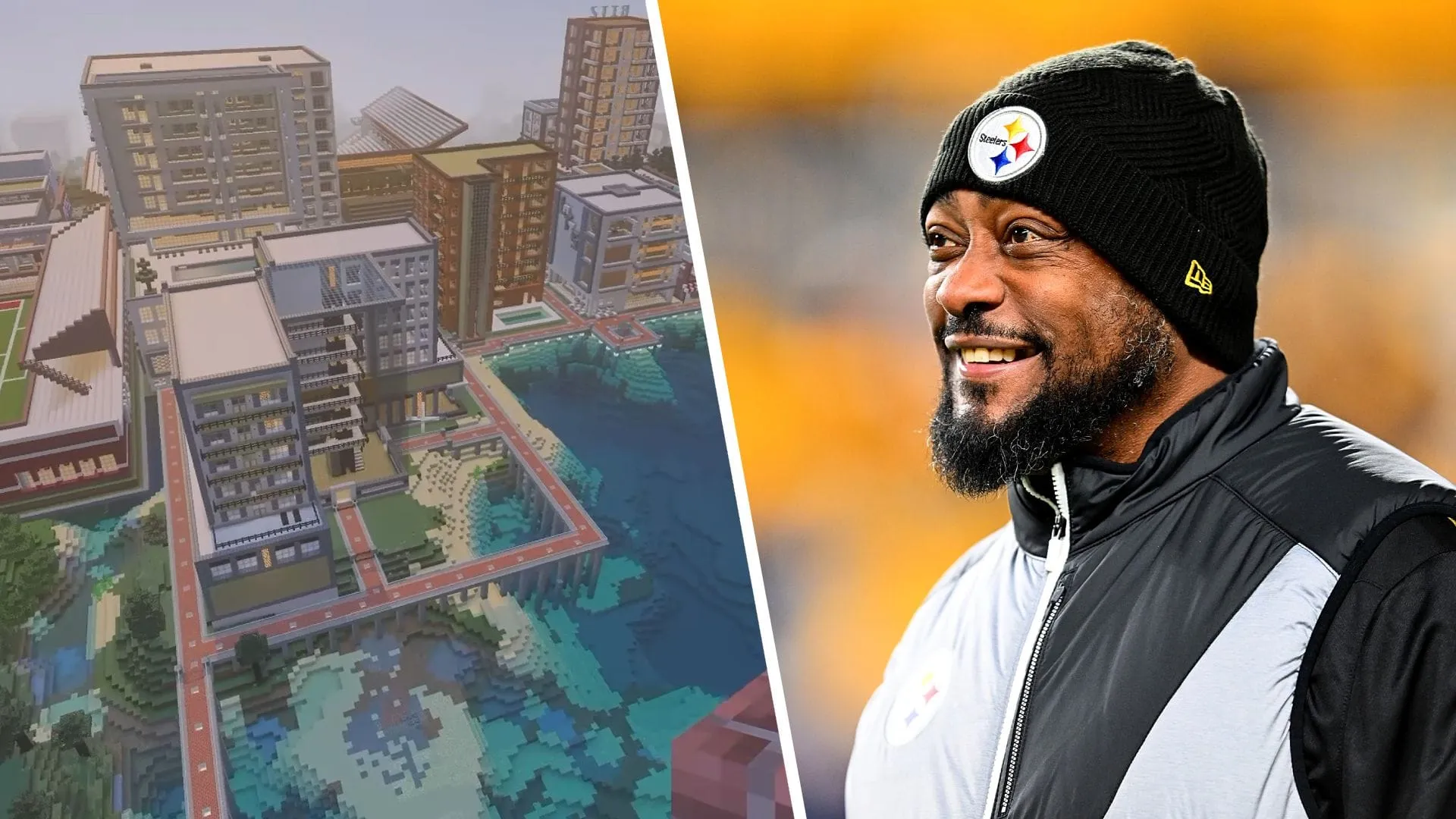
The Architect of Calm: How Mike Tomlin Built a Digital Empire
Mike Tomlin is a name synonymous with sustained excellence in the NFL. As the longest-tenured coach in the league, he navigated a remarkable 19-year run for the Pittsburgh Steelers, accumulating eight division titles, thirteen playoff appearances, and a Super Bowl victory in Super Bowl XLIII. Yet, as his career continued, Tomlin pursued a calling that offered a different kind of mastery: the art of building.
While managing the complexities of professional football, Tomlin found his true sanctuary in a world of blocks and pixels. Since 2014, he has been meticulously crafting a sprawling Minecraft metropolis, transforming the game from mere entertainment into a profound creative pursuit. This digital endeavor has become more than just a hobby; it is a testament to a deep-seated need for order and tranquility.
Tomlin explained that his initial fascination with Minecraft stemmed from his children’s obsession during their middle school years. Though he had little prior history with video games, he was drawn to the game’s potential for architecture, naturally gravitating toward the creative mode. As he immersed himself in the act of crafting, Tomlin discovered a therapeutic release from the pressures and realities of life.
“It allowed me to detach from the realities and pressures of life,” Tomlin shared. “Let’s take you through it.”
The resulting digital landscape is magnificent. Tomlin’s creations are sprawling waterfront districts, complete with towering skyscrapers, luxurious hotels, intricate balcony details, courtyards, and meticulously designed public plazas. He approached his work with an eye for aesthetics, focusing on interior lighting and the kind of views that would delight any inhabitant.
One of the most striking features of his design is his first completed structure: a boutique hotel built from cut red sandstone, accented by marble and birchwood walkways. This building features executive spa rooms, glass-ceilinged conference spaces, and even cleverly repurposed Minecraft fixtures for functional amenities like public restrooms. Adding to the opulence, the hotel includes a basement speakeasy with a glowstone-illuminated window overlooking the pool.
The tour continued through themed residential high-rises, past recreated pharmacies, baseball fields, and soccer stadiums, demonstrating a commitment to both function and beauty. It is a world of carefully constructed details, a reflection of a mind that seeks structure in the digital space.
While the process of building was undoubtedly delightful, the narrative of the digital creation offered a stark contrast to the trajectory of the Steelers during that same period. From his first season as head coach in 2007 through 2013, the team enjoyed a postseason win rate of 62.5%. However, during the years Tomlin dedicated to building his magnum opus, the team’s postseason success plummeted. Between 2014 and 2025, the Steelers’ win rate dipped to a mere 25%, and they suffered nine consecutive years without a playoff victory.
Whether the digital empire played a role in the team’s fortunes remains speculative, but the fact remains that Tomlin managed to construct a masterpiece of serene architecture while simultaneously navigating the demanding, often tumultuous, world of professional sports. It is a fitting illustration of how creativity and calm can coexist, even when life demands relentless focus.
Buy on Amazon
Credit
