Minecraft on iPhone runs Xbox One games natively
The Emulation Revolution: How AI is Bringing Xbox Games to Your Smartphone
The world of gaming is currently experiencing a fascinating revolution, one where digital boundaries are blurring faster than ever before. While we’ve seen groundbreaking advancements in graphical fidelity and game design, a new wave of innovation is focusing on translation and emulation, fueled by the relentless power of artificial intelligence. And right now, the tables have turned: games once locked within console ecosystems are finding new, unexpected homes on the go, with Xbox One games running on iOS and macOS.
This isn’t just a theoretical concept; dedicated community projects are making it a reality. Just months ago, the conversation was already heating up, with impressive work emerging, such as an Xbox 360 emulator built for iOS. Today, the progress is exponential, demonstrating how recent leaps in AI and modding technology are propelling emulation and cross-platform play to an entirely new level of complexity and accessibility.
At the heart of this movement is a remarkable project called Utsuro. Rather than relying on traditional, heavy emulation methods, Utsuro operates as a sophisticated translation layer. It essentially runs the console’s own “Windows-derived userland as x86-64 under FEXCore,” supplying the necessary system components that the original hardware would normally provide. While the deepest technical specifics are complex, the fact that this system works provides a stunning demonstration of software ingenuity.
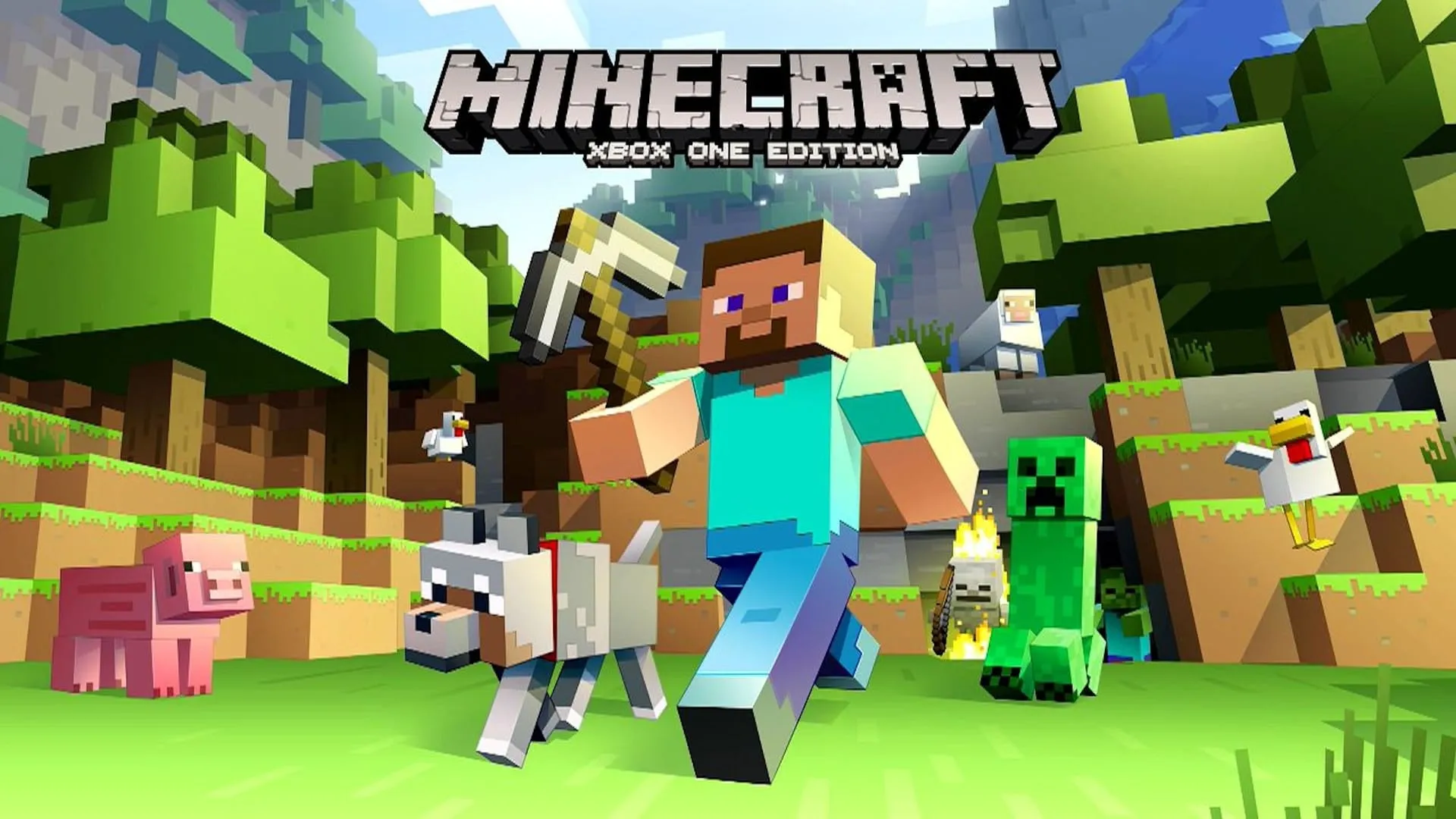
So, what can this mean for gamers? For now, the project is already demonstrating viability, running titles like Minecraft: Xbox One Edition with full touchscreen controls. With added controller support, the potential for a portable, legitimate gaming experience is becoming tangible.
This development serves as a powerful reminder of the immense intellectual property sitting dormant in the gaming industry. Imagine a future where a dedicated smartphone could legitimately host Original Xbox, Xbox 360, and even Xbox One games, complete with full cloud save and achievement support. Such a device would offer a genuinely unique selling point for a major platform holder.
While community projects are filling this void, the sheer volume of content available elsewhere—such as Android devices already running full-blown Steam games—suggests that the focus is shifting toward creative translation rather than hardware limitations. This rapid evolution showcases a dynamic environment where users are pushing the limits of what technology can achieve.
It’s a wild, exciting timeline we are living in, driven by ingenuity and AI. The question remains: what other classic Xbox titles would you want to see migrated to iOS or Android? The possibilities are endless, and the possibilities of what comes next are even more exciting.
Buy on Amazon
Credit
