Modder enables Nvidia Pascal GPU in Windows XP
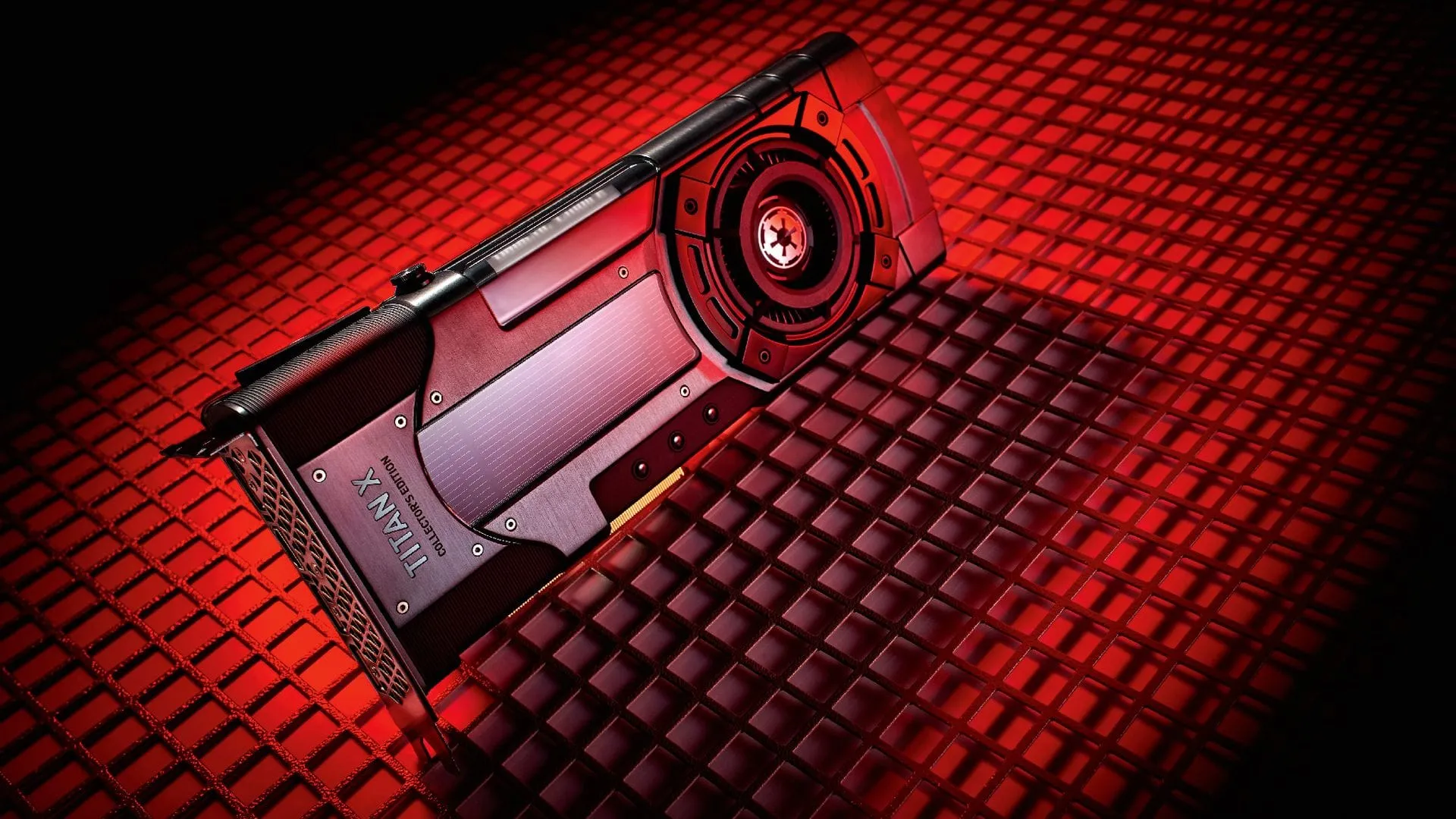
The world of retrocomputing and emulation often shines brightest when we consider how we can bridge the gap between cherished old games and cutting-edge modern hardware. It’s not enough just to play old titles; we want to run them on systems that offer vastly superior performance. Enter the fascinating world of custom drivers and emulation projects, where tinkerers redefine what old silicon can do.
One such project, driven by the spirit of tech enthusiast SupraGSX, has stepped up to tackle this challenge. They’ve released ForceWare-382.69, a specialized driver designed to extend the reach of Nvidia’s Pascal-era cards—including the 10-series and Quadro P2000-P6000 lines—to Windows XP 32-bit. This isn’t just a simple driver update; it’s a sophisticated package packed with modern accouterments for handling DisplayPort and HDMI, ensuring that retro experiences can look and perform wonderfully on contemporary setups.
What makes this project particularly compelling is its deep dive into hardware compatibility. ForceWare-382.69 pulls card firmware directly from Quadro 376.84 drivers, linking disparate pieces of legacy and modern technology into a cohesive whole. It even extends support for Video Protected Region (VPR) from the Windows 7 GeForce 378.78, demonstrating a remarkable ability to weave together complex driver histories.
The scope of compatible hardware is impressive. The project supports a wide array of GPUs, including the powerhouse GTX 970, 980, and 980 Ti, alongside the entire GTX 10-series lineup (1060, 1070, 1070 Ti, 1080, and 1080 Ti), as well as the TITAN X and TITAN Xp variants. Furthermore, it incorporates specialized support for Quadro cards like the M4000, M5000, and M6000 series, and the P2000 through P6000 professional lines.
Beyond just graphics, the driver incorporates crucial modern features. To address the complexities of contemporary displays, SupraGSX integrated support for DisplayPort HBR2 and HBR3, HDMI 2.0 handling, and refined scaling settings within the Nvidia Control Panel. This means users can achieve silky-smooth visuals, even on high-refresh-rate, ultrawide screens.
Early testing suggests that the new driver performs well, with reports indicating smooth operation, even when handling demanding scenarios like ultrawide displays. The project thrives in the community, actively engaging on forums like Vogons where bug reports and feature requests are shared, ensuring that the project remains vibrant and evolving.
For anyone interested in revitalizing their retro system and exploring the intersection of history and high-performance computing, ForceWare offers an exciting gateway. By exploring the project’s extensive build instructions, enthusiasts can dive into the mechanics, contribute their own mods, and unlock new possibilities for aging hardware.
Buy on Amazon
Credit
