Modder fixes melting RTX 5090 power connectors
The Power Play: How Custom Mods Are Cooling the Next Generation of Graphics Cards
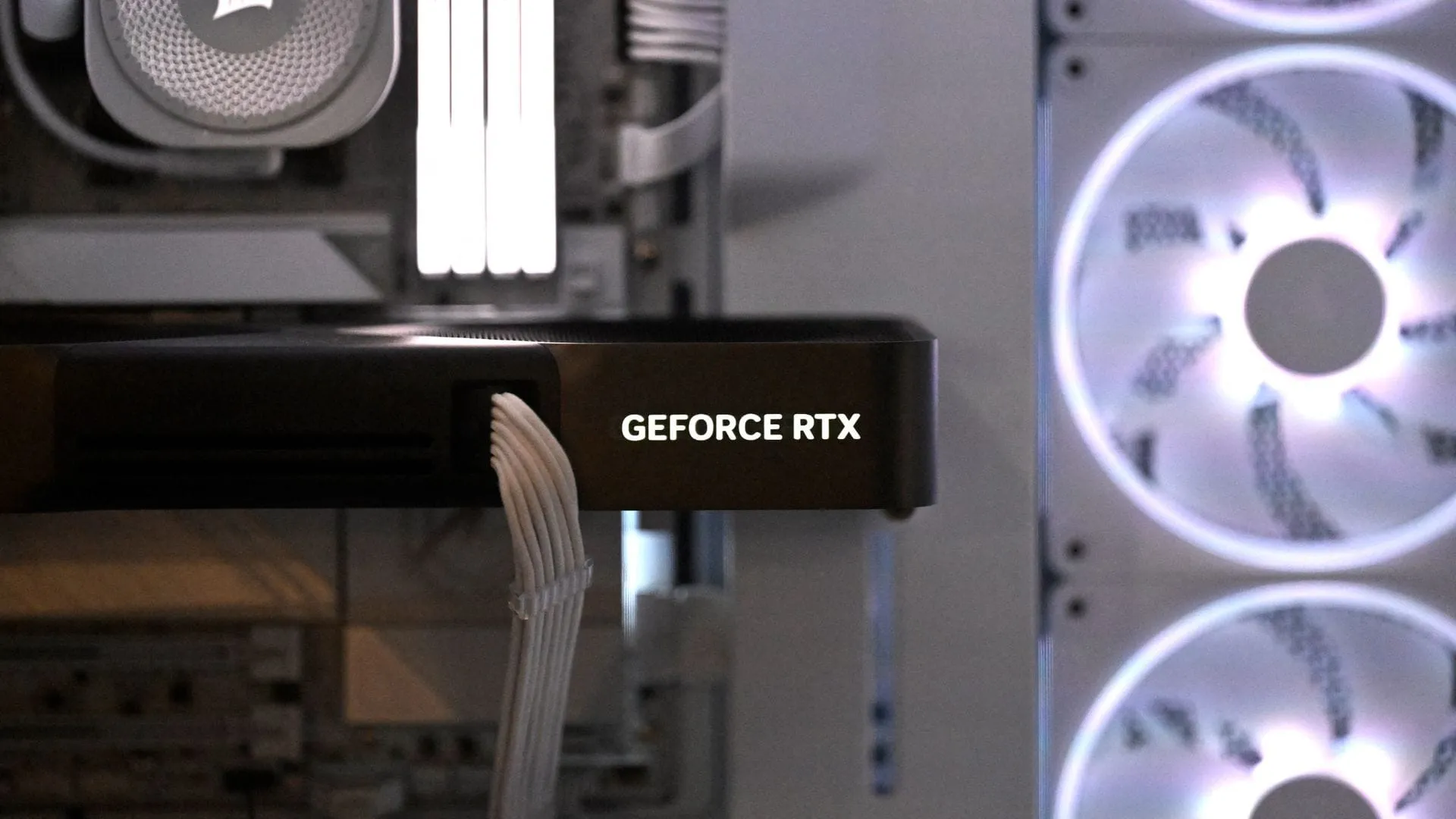
High-end graphics cards, like the RTX 5090, are marvels of engineering, pushing the boundaries of visual performance. But beneath the sleek aesthetic of these powerhouses lies a frustrating electrical headache: the 12VHPWR connector. Designed to handle massive power delivery, this connection often acts as a bottleneck, leading to overheating and potential melting issues for enthusiasts trying to maximize their hardware’s potential.
The issue stems from the physical design itself. The 12VHPWR connector attempts to cram an enormous amount of current through what is essentially a 12-pin setup. While theoretically capable of handling up to 600W, the way current is distributed across these six wires creates points of high resistance. When this power is forced through suboptimal connections, uneven current distribution builds up intense heat, making these connectors vulnerable to failure.
Fortunately, the community has developed ingenious solutions to bypass this inherent design flaw. One of the most compelling fixes comes from custom modifications, allowing users to fundamentally redefine how power flows to their graphics card. A user shared a method involving soldering additional connections directly onto the RTX 5090’s PCB, essentially creating a custom power distributor.
This custom-made module routes the load across more physical wires, effectively distributing the current and significantly lowering the temperature buildup. By moving the power distribution directly onto the card’s circuit board, modders manage the flow in a way that addresses the thermal weakness of the original connector design. In stress tests, this method has shown remarkable results, with reports indicating that running the card at full load for extended periods never pushed temperatures past 40c at the joint.
This approach offers a cleaner, more attractive alternative compared to other power modifications. While these custom power mods remain an invasive process, they deliver tangible results by optimizing the thermal management of the expensive components. They prove that sometimes, the most effective way to unlock the full potential of cutting-edge hardware is through creative engineering.
Credit
