Modern Warfare 4 Visual Action Review
The call of duty franchise is defined by its relentless pace and annual releases, yet the question isn’t whether the next installment will arrive, but whether it will finally catch up to the quality of its core experience. With the next entry on the horizon, the focus has shifted from simply releasing content to refining the mechanics, and in this latest iteration, the studios have shown an astonishing level of mastery.
The recent history of the series has been a rollercoaster. Fast-tracked sequels like Modern Warfare 3 and Black Ops 6 raised questions about the franchise’s ability to maintain quality amidst the demands of a constant release schedule. However, the development of Modern Warfare 4 proves that the core teams—Treyarch, Sledgehammer, and Raven—have found a way to deliver something truly extravagant and polished. This is a package that doesn’t just play the hits; it reinvents them.
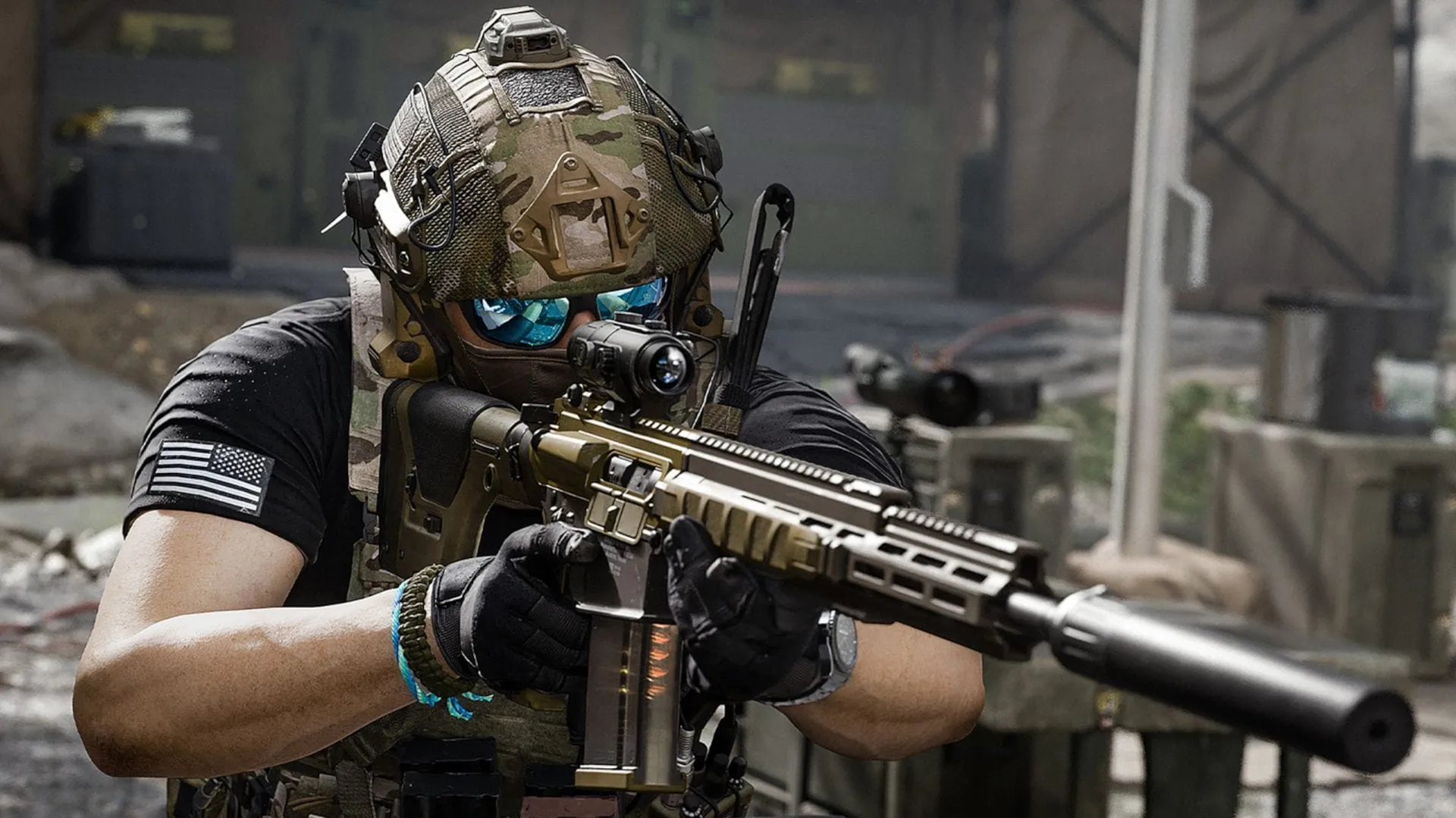
At the heart of this evolution is the weaponry. The attention to detail in gun mechanics has become the franchise’s secret weapon. Modern Warfare 4 features kinetic 6v6 FPS gameplay paired with gunplay that is both cacophonous and deeply satisfying. Guns don’t just mark a target; they shake the world, reload with flair, and possess a weight that mimics milsim realism, managing to blend explosive action with tangible control.
Infinity Ward’s signature flair shines through in the arsenal. Weapons like the KG-7 Vulkan and the Warlord aren’t just props; they are characterful, communicating history and brutal functionality. This focus on visual and auditory feedback is unmatched, allowing players to engage with the tools they use on a level few other shooters dare attempt. This meticulous approach elevates the experience beyond simple twitch reflexes.
Further enhancing this depth are the attachment systems, which allow players to fundamentally alter a weapon’s behavior. Concepts like apex attachments introduce unique modifications—from transforming an assault rifle into an MP5 with an integrally-suppressed barrel to adding throwable knives to a DMR—offering meaningful, dynamic choices rather than just cosmetic changes. These innovations prove that depth can be achieved without sacrificing the immediacy of a shooter.
Beyond the gunplay, Infinity Ward has thoughtfully addressed the minutiae of the experience, incorporating quality-of-life improvements like smoother movement, refined depth of field, and reduced gunsmoke. This dedication to detail shows a commitment to making the environment itself feel more immersive, rather than relying on gimmicks to drive action.
Yet, even with these refinements, the franchise grapples with the limitations of its traditional design. Elements like Killstreaks remain power trips that halt momentum, maps are often static boxes, and the Gunsmith system tends to favor standardized outputs. It is a tension between spectacular presentation and genuinely innovative design
Credit
