Motion blur ruins games
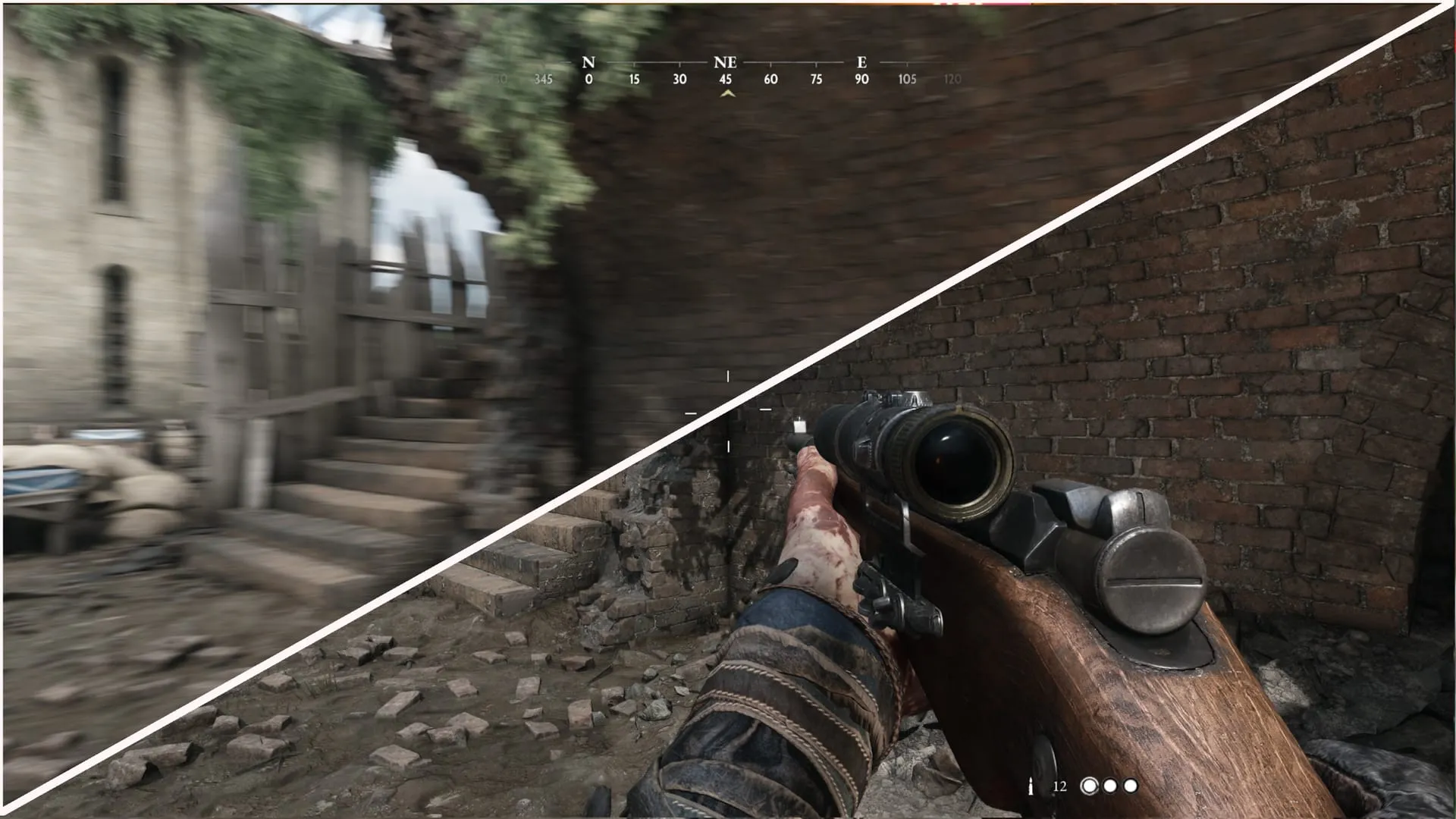
The Visual Showdown: Motion Blur vs. Chromatic Aberration in the Battle for Visual Fidelity
In the world of gaming, where every frame and pixel counts, the debate over graphical effects often moves beyond mere aesthetics and delves into the realm of performance and perception. Recently, an intense public opinion tournament took place pitting two common visual distortions against each other: chromatic aberration and motion blur. The goal? To determine which effect gamers truly dislike the most, or which effect is the most visually burdensome.
After a fierce competition involving thousands of votes, the results were in, and the winner was decided by a decisive margin. The effect that earned the overwhelming majority of support—a staggering 80%—was motion blur. Chromatic aberration, in contrast, registered 20% of the votes. This outcome highlights a clear preference in the community regarding how these specific visual imperfections impact the gaming experience.
The results suggest that while both effects are inherent to how games render visuals, the impact of motion blur is significantly more divisive. This preference isn’t just about which effect looks worse; it speaks to the overall experience of visual fidelity and system performance.
To understand the context of this rivalry, one must look beyond the percentage and consider the technical application of each effect. Motion blur is a phenomenon that can be useful in certain scenarios, particularly in racing games or when dealing with low frame rates on console systems. In these instances, it can serve as a necessary visual aid, temporarily masking some of the imperfections that arise from performance constraints.
Chromatic aberration, on the other hand, is often more tied to the raw quality of the display and the rendering pipeline. It speaks more to the fundamental presentation of color separation. For PC gamers, who often have the flexibility to tinker with settings, chromatic aberration is frequently optional, allowing users to adjust visual settings at their leisure.
This dichotomy points to a deeper tension in game development: balancing visual impact with system performance. Whether it is the subtle distortion of color or the blurring of movement, the choice often comes down to where developers choose to place the burden of visual imperfection.
Ultimately, the contest underscores a vital point for developers and players alike. While visual effects can add flair, understanding when and how they are deployed—especially concerning performance metrics—is crucial. Whether you decide to keep motion blur on or turn it off, the choice remains yours, but knowing the landscape of visual options is the first step to optimizing your gaming environment.
Buy on Amazon
Credit
